Best Places to Visit in Nepal: 10 Top Destinations for Every Traveller

Best Places to Visit in Nepal: 10 Top Destinations for Every Traveller
Oct 19, 2026 Ghumnajaau Team
From Himalayan peaks and ancient temples to peaceful lakes and jungle safaris, discover the 10 best places to visit in Nepal, with tips on how long to stay and when to go.

Nepal is a small country with an extraordinary range of experiences: Himalayan peaks, ancient temple cities, lakeside towns, Buddhist pilgrimage sites and subtropical wildlife parks. The challenge is not finding places to visit. It is choosing the right ones for your time, season, and fitness.

The best places to visit in Nepal are Kathmandu Valley, Pokhara, Chitwan National Park, the Everest region, the Annapurna region, Upper Mustang, Lumbini, Langtang Valley, Rara Lake and Bardiya National Park. This guide explains what each is best for, how long to allow, when to go, and what to check before you book.

Quick answer: Top 10 places to visit in Nepal

Destination Best for Suggested time Best season
Kathmandu Valley Heritage, temples, and culture 2–3 days Oct–Nov, Mar–Apr
Pokhara Lakes, mountain views, easy adventure 2–3 days Sep–Nov, Mar–May
Chitwan National Park Chitwan National Park 2–3 days Oct–Mar
Everest region Treks from short to demanding 7–14+ days Mar–May, Oct–Nov
Annapurna region Treks from short to demanding 3–13+ days Mar–May, Oct–Nov
Upper Mustang Desert landscapes, Tibetan-influenced culture 7–12 days Spring, autumn; also monsoon
Lumbini Buddhist heritage and pilgrimage 1–2 days Oct–Mar
Langtang Valley Himalayan trekking and Tamang culture 7–10 days Mar–May, Oct–Nov
Rara Lake Remote nature and quiet landscapes 4–7+ days Spring, autumn
Bardiya National Park Quieter wildlife and birdwatching 2–4 days Oct–Mar

Durations are approximate and depend on your route, transport, weather and pace. Remote destinations need extra travel days.

Visiting Nepal for the first time? Combine Kathmandu Valley, Pokhara and Chitwan. Together they cover culture, mountain scenery and wildlife in about 8–10 days. If you have more time, add a short hike or a manageable trek that suits your fitness.

Kathmandu Valley: Ancient Heritage and Living Culture

Best for: culture, history, architecture, photography and religious heritage.

Kathmandu Valley is the natural starting point for most visits to Nepal. Royal squares, carved temples, Buddhist stupas, Newari towns and busy local markets sit close together, and several of its monument zones are UNESCO World Heritage Sites. It is a living cultural landscape: festivals, crafts and daily worship continue around the monuments. Many buildings were damaged in the 2015 earthquake, and restoration work has continued since.

Top places to visit

  • Kathmandu Durbar Square: historic royal architecture and courtyards in the old city.
  • Pashupatinath Temple: a major Hindu pilgrimage site for Lord Shiva, beside the Bagmati River.
  • Boudhanath Stupa: one of the largest stupas in the region, ringed by monasteries and shops.
  • Swayambhunath: a hilltop Buddhist complex with views across the city.
  • Patan Durbar Square: Newari architecture and a long tradition of metal and stone craftsmanship.
  • Bhaktapur Durbar Square: a well-preserved medieval town known for temples, pottery and woodcarving.

Things to do: join a guided heritage walk, try traditional Newari food, visit craft workshops and explore the lanes of Patan and Bhaktapur. For families and school or college groups, the valley links classroom subjects such as history, art, religion, and cultural preservation to real places.

How long: 2–3 days for the main sites; longer if you enjoy food, museums, or nearby villages.

Best time: October–November and March–April. Winter is clear but cold in the mornings and evenings. Monsoon brings rain and cloud, though cultural visits are still possible.

Ghumnajaau tip: a local guide turns monuments into stories. You will learn far more than you would from photographs alone.

Explore with Ghumnajaau: Kathmandu Valley cultural tour

Pokhara: Lakes, Mountain Views and Easy Adventure

Best for: couples, families, relaxed holidays, photography and short hikes.

Pokhara sits beside Phewa Lake, with the Annapurna range and the pyramid-shaped Machhapuchhre (Fishtail) behind it when skies are clear. It is calmer than Kathmandu, with lakeside walks, cafés and viewpoints, and it is the main gateway to Annapurna treks. That makes it work equally well as a short holiday base or the start of a longer mountain journey.

Top places to visit

  • Phewa Lake: boating, lakeside walks and mountain reflections in good conditions.
  • Sarangkot: a popular sunrise viewpoint over the Annapurna range.
  • World Peace Pagoda: a hilltop stupa overlooking the lake.
  • Davis Falls and Gupteshwor Mahadev Cave: a waterfall and a religious cave site close together.
  • International Mountain Museum: the story of Himalayan climbing and mountain communities.

Things to do: boating, short hikes, cycling, and activities such as paragliding, ziplining, or rafting through licensed operators. Treks that start near Pokhara include Ghorepani–Poon Hill, Mardi Himal, Annapurna Base Camp, and Ghandruk–Mulde View.

How long: 2–3 days for sightseeing; add days for treks or adventure activities.

Best time: autumn and spring. Mountain views are never guaranteed, but early mornings are usually clearest. Winter is pleasant in town, while conditions in the mountains vary.

Ghumnajaau tip: want mountain views without a long trek? Add a one- or two-night village hike to your Pokhara stay.

Explore with Ghumnajaau: Pokhara Tour Package

Chitwan National Park: Wildlife and Jungle Safaris

Best for: families, wildlife lovers, birdwatchers and nature-based holidays.

Chitwan National Park is a UNESCO World Heritage Site in Nepal’s subtropical Terai lowlands. Its sal forests, grasslands, wetlands and riverbanks protect the greater one-horned rhinoceros and the Bengal tiger, along with deer, crocodiles and hundreds of bird species. It is a good way to experience a very different side of Nepal without any mountain trekking. Sightings depend on season, habitat and chance, so no safari can promise a particular animal.

Top experiences

  • Guided jeep safari: explore designated areas with authorised guides.
  • Birdwatching: resident and migratory species in forest, wetland and grassland.
  • Canoe trips: river habitats seen from the water, subject to current rules and water levels.
  • Guided nature walks: plants, animal tracks and conservation.
  • Tharu cultural experiences: food, music, dance and village life of the Indigenous Tharu communities.

Choose operators that follow park regulations and put animal welfare first. Keep a safe distance from wildlife and follow your guide at all times.

How long: 2–3 days.

Best time: October–March is generally comfortable. Summer is hot, and monsoon brings lush scenery but can limit access and activities.

Ghumnajaau tip: pair Chitwan with Kathmandu and Pokhara for culture, mountains, and wildlife in one trip.

Explore with Ghumnajaau: Chitwan Wildlife Tour Nepal | Jungle Safari Package

Everest Region: Iconic Peaks and Sherpa Culture

Best for: trekkers and mountain lovers looking for a high-Himalayan adventure.

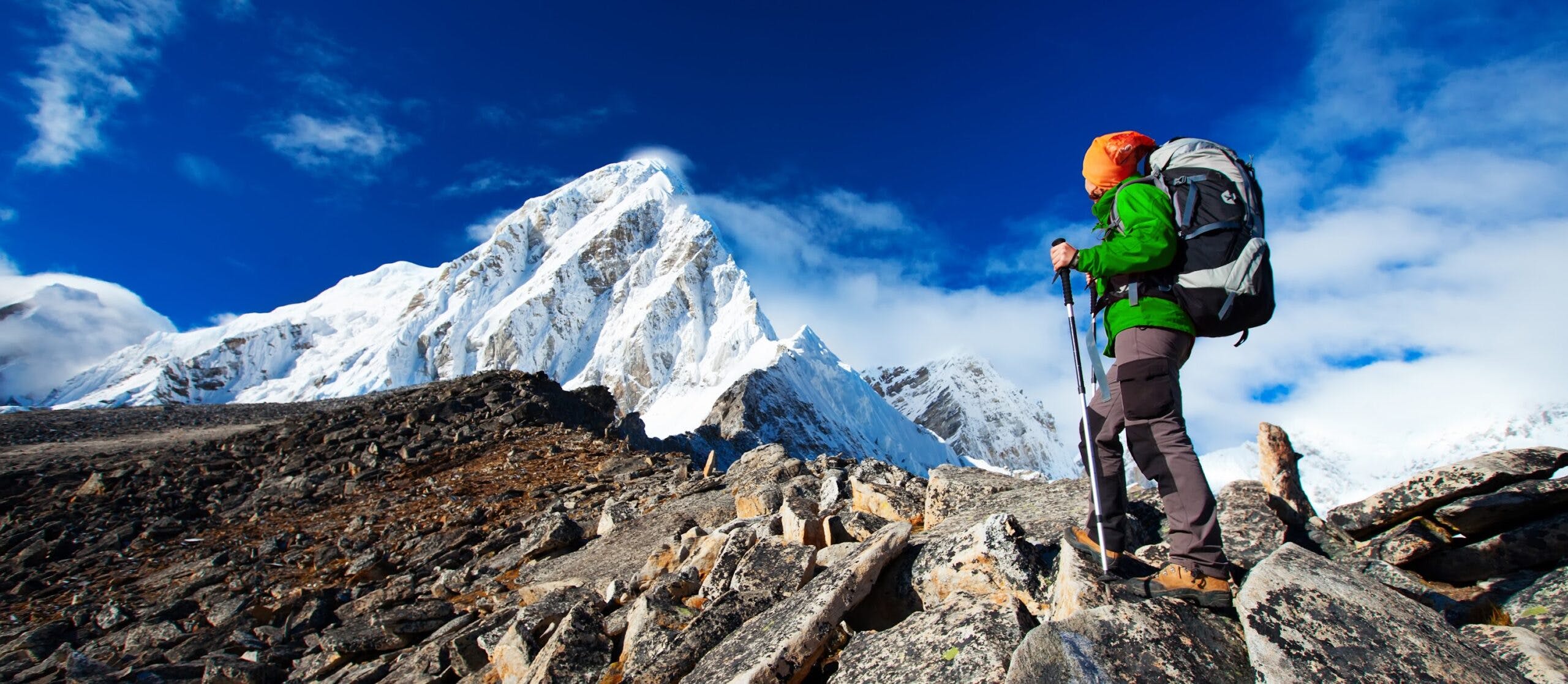
The Everest region, also called Khumbu, is home to Mount Everest (8,848.86 m), along with glaciers, deep valleys, Buddhist monasteries and Sherpa villages. For most trekkers, the journey matters as much as the destination: the hospitality of mountain communities, monasteries such as Tengboche and the changing scenery as the trail climbs.

Top places to visit

  • Lukla: the usual gateway for Khumbu treks. In busy seasons, some flights operate from Ramechhap rather than Kathmandu, so confirm your flight arrangements early.
  • Namche Bazaar: the main Sherpa trading town, with shops and viewpoints.
  • Tengboche Monastery: an important monastery with Himalayan surroundings.
  • Everest Base Camp (about 5,364 m): the classic trekking goal.
  • Kala Patthar (about 5,550 m): a high viewpoint for panoramic views of Everest, weather permitting.

Other options include shorter Everest View itineraries, cultural walks and scenic flights.

Is it suitable for beginners? Some shorter itineraries suit reasonably fit first-time trekkers with good preparation. Everest Base Camp, however, is a high-altitude trek, not an ordinary hike. Acclimatisation days, suitable gear, a realistic pace, and flexibility for weather and health are essential.

How long: about 12–14 days for a classic Everest Base Camp trek including travel and buffer time; shorter Everest View itineraries take less.

Best time: March–May and October–November. Winter is cold; monsoon brings cloud, rain, and flight disruption.

Ghumnajaau tip: do not choose a high-altitude trek by day count alone. Compare elevation gain, daily walking hours, acclimatisation, weather buffers, and your fitness.

Explore with Ghumnajaau: Everest Base Camp trek |  Everest View trek

Annapurna Region: Villages, Viewpoints and Treks for Every Level

Best for: first-time trekkers, families on suitable routes, photographers and experienced hikers.

The Annapurna region offers Nepal’s widest choice of treks, from gentle village walks to demanding high-altitude routes. Trails pass rhododendron forests, terraced fields, Gurung and Magar villages, and viewpoints facing the Annapurna and Dhaulagiri ranges, so you can match the route to your time and ability.

Popular routes

  • Ghorepani–Poon Hill (Poon Hill about 3,210 m): a short, popular trek famous for its sunrise view.
  • Ghandruk: a traditional Gurung village with stone houses and Annapurna views.
  • Mardi Himal: forest trails opening into close-up mountain terrain.
  • Annapurna Base Camp: a longer trek into a high mountain sanctuary.
  • Annapurna Circuit: a long route crossing Thorong La (about 5,416 m). Road construction has changed parts of the classic trail, so check current conditions.
  • Khopra Danda, Mulde View and Sikles–Kapuche: quieter alternatives with village trails and viewpoints.

Which trek should you choose?

  • Short on time: Ghorepani–Poon Hill or a Ghandruk-based trek.
  • Want fewer crowds: Khopra Danda, Mulde View or Sikles–Kapuche.
  • Want a bigger challenge: Mardi Himal, Annapurna Base Camp or the Annapurna Circuit.

Families should choose a route based on children’s age, fitness, and experience. A short trek is not always an easy one.

How long: 3–12+ days depending on the route.

Best time: spring for rhododendron blooms, autumn for clear views. High passes can be affected by snow in winter.

Ghumnajaau tip: pick the route that fits your time, fitness, and interests, not just the most popular one. A well-matched short trek often beats an over-ambitious one.

Explore with Ghumnajaau: Ghorepani–Poon Hill, Mardi Himal, Annapurna Base Camp, Khopra Danda & Kori Danda–Kapuche Lake trek

Upper Mustang: Desert Landscapes and Tibetan-Influenced Culture

Best for: cultural travellers, photographers and anyone drawn to remote landscapes.

Upper Mustang lies in the rain shadow north of the main Himalayan range. Expect dry, wind-carved terrain, colourful eroded cliffs, old monasteries and villages shaped by Tibetan-influenced culture. The walled town of Lo Manthang is the highlight.

Top places to visit

  • Lo Manthang: the historic walled town and cultural centre.
  • Kagbeni: a historic village at the gateway to the restricted area.
  • Chhusang and Dhakmar: dramatic cliffs, red rock and traditional settlements.
  • Local monasteries and villages: religious traditions, architecture and daily life.

Travel combines walking with rides in four-wheel-drive vehicles. Wind, dust, rough roads and long days can make it tougher than it looks, so allow time for culture and village life rather than treating it as a scenic drive.

Permits: Upper Mustang is a restricted area that requires a special permit, and rules, fees, and conditions change. Confirm current requirements with a registered trekking operator before you book.

How long: 7–12 days.

Best time: spring and autumn. Because it lies in a rain shadow, it can also be a good monsoon option, though road conditions and weather still need planning.

Explore with Ghumnajaau: Upper Mustang Trek via Luri Gompa | Mustang Tiji Festival Jeep Tour Nepal | Upper Mustang 4WD Adventure Tour 

Lumbini: Birthplace of the Buddha

Best for: pilgrims, cultural travellers, meditation seekers and educational groups.

Lumbini, in Nepal’s southern plains, is recognised as the birthplace of Siddhartha Gautama, the Buddha, and is a UNESCO World Heritage Site. It feels much calmer than Kathmandu: gardens, archaeological remains and monasteries invite a slower look at Buddhist history and tradition.

Top places to visit

  • Maya Devi Temple: the sacred site associated with the Buddha’s birth.
  • Sacred Garden: the archaeological area around the main monuments.
  • Ashoka Pillar: the historic pillar linked to Emperor Ashoka’s visit.
  • Monastic Zone: monasteries built in the styles of different Buddhist traditions.

School and college groups can use a visit to explore religious studies, history, and heritage conservation. Dress respectfully and follow the rules of each site.

How long: 1–2 days.

Best time: October–March. The Terai is very hot from late spring through summer.

Ghumnajaau tip: do not rush the Sacred Garden in a few hours. Combine Lumbini with Chitwan or Pokhara for a fuller trip.

Explore with Ghumnajaau: Lumbini Buddhist Circuit Tour | Lumbini Spiritual Tour Nepal

Langtang Valley: Himalayan Scenery Close to Kathmandu

Best for: trekkers, nature lovers, and travellers interested in Tamang culture.

Langtang Valley is north of Kathmandu, and the trail climbs from forested hills and riverside paths to the open alpine valley around Kyanjin Gompa. Logistics are simpler than for Everest or Annapurna, although the road to the trailhead is long and the trek still needs preparation. The valley is home to Tamang communities with distinctive culture and Buddhist traditions.

Top places to visit

  • Langtang Village: mountain life and the community’s rebuilding after the 2015 earthquake.
  • Kyanjin Gompa: the high-valley settlement and monastery.
  • Kyanjin Ri (about 4,770 m): a high viewpoint for panoramic views, if fitness and conditions allow.

How long: 7–10 days including travel.

Best time: spring and autumn. Winter brings snow and cold; monsoon brings rain and landslide risk.

Ghumnajaau tip: Langtang suits travellers who want mountain scenery and local culture without the time commitment of Everest Base Camp.

Explore with Ghumnajaau: Langtang Family trek | Langtang Valley Short Trek

Rara Lake: Remote Blue-Water Wilderness

Best for: nature lovers, photographers and travellers seeking a quiet escape.

Rara Lake, in the remote Karnali region of western Nepal, is the country’s largest lake. Forested hills, clear blue water and a deep sense of remoteness make it feel very different from Nepal’s busier tourist areas. Getting there, by domestic flight, road, or both, is part of the adventure. The lake lies within Rara National Park, which protects forest and wildlife habitats.

Things to do: walk lakeside and forest trails, photograph the changing light, watch birds and learn about local mountain communities. Respect park rules, protect the lakeshore, and take all waste with you. Camp only where permitted.

How long: 4–7+ days, depending on your starting point and transport.

Best time: spring and autumn. Winter can bring snow that affects access; monsoon is green but can disrupt transport.

Ghumnajaau tip: build in spare days. Avoid scheduling an international departure right after a tight domestic trip to a remote region.

Explore with Ghumnajaau: Karnali Road Trip Nepal 

Bardiya National Park: A Quieter Safari in Western Nepal

Best for: wildlife enthusiasts, birdwatchers and travellers who prefer fewer crowds.

Bardiya National Park in western Nepal’s Terai protects tigers, greater one-horned rhinoceroses, deer, crocodiles and rich birdlife in forest, grassland and river habitats. Compared with Chitwan, it feels quieter and more remote, but it takes more planning to reach from Kathmandu or Pokhara. As anywhere, sightings are never guaranteed.

Things to do: guided safaris, birdwatching, permitted nature walks and community-based Tharu cultural experiences. Follow your guide’s instructions and never approach animals.

How long: 2–4 days plus travel time.

Best time: autumn, winter, and early spring. Summer heat and monsoon rain make travel harder.

Ghumnajaau tip: if wildlife is the main goal, compare Chitwan and Bardiya by travel time, trip length, and the safari experience you want.

Explore with Ghumnajaau: Bardia Wildlife Safari Adventure

More Places to Visit in Nepal

These destinations suit repeat visitors, experienced trekkers, and anyone with extra time.

  • Dolpo (10–20+ days): remote high-altitude landscapes, Buddhist and Bon heritage, and Phoksundo Lake in Shey Phoksundo National Park.
  • Humla and Limi Valley (10–18+ days): far-western Nepal near the Tibetan border, for experienced travellers interested in remote culture and landscapes.
  • Dhorpatan (4–8 days): open meadows, forested hills and rural villages, with the Dhorpatan Hunting Reserve. Facilities vary, so plan by season.
  • Muktinath (2–4 days): a high-altitude pilgrimage site sacred to both Hindus and Buddhists, usually visited as part of a wider Mustang journey. Consider elevation and weather.
  • Manaslu region (12–18+ days): a challenging circuit over Larkya La (about 5,160 m), with strong Tibetan cultural influence and more complex permit and guide rules.

Important: restricted-area rules, conservation permits, guide requirements, and fees can change. Confirm the latest requirements before booking any remote-region trek.

Best Time to Visit Nepal

Nepal’s climate varies with altitude and region. A season that suits a Kathmandu culture tour may not suit a high pass, and rain-shadow areas such as Upper Mustang behave differently in the monsoon.

Season

Months

What to expect

Spring

March–May

Rhododendron blooms, warmer weather, popular for trekking

Autumn

September–November

Often the clearest views; the most popular season, especially October–November

Winter

December–February

Good for cultural tours and low-altitude trips; high mountains are very cold

Monsoon

June–August

Green landscapes and rain; possible road or flight disruption; rain-shadow areas may suit

Choose your destination and activities first, then pick the season. For a month-by-month breakdown, read our guide to the best time to visit Nepal.

Related Blog: Best Time to Visit Nepal: Month-by-Month Guide

How Many Days Do You Need in Nepal?

Mountain terrain makes road journeys slower than they look on a map. Use these as starting points rather than fixed schedules.

  • 5–7 days: Kathmandu Valley plus Pokhara, or Kathmandu with a short hike. Keep it to two or three main experiences.
  • 8–10 days: Kathmandu → Pokhara → Chitwan → Kathmandu for culture, mountain views and wildlife. Or spend longer in Pokhara and add a short trek instead of Chitwan.
  • 12–14 days: a deeper cultural journey, a moderate Annapurna or Langtang trek, or a carefully planned Upper Mustang trip.
  • 15+ days: Everest Base Camp, the Manaslu Circuit, longer Annapurna routes, Dolpo or Humla.

Build buffer days into itineraries with domestic flights, high passes or remote roads. For cost planning, see our guide to how much a trip to Nepal costs.

Which Places Suit Which Travellers?

Traveller type Destinations to consider
First-time visitors First-time visitors
First-time visitors Kathmandu Valley, Pokhara, Chitwan, easy low-altitude walks
Cultural travellers Kathmandu Valley, Lumbini, Upper Mustang
Short-trek enthusiasts Ghorepani–Poon Hill, Ghandruk, Mardi Himal
Experienced trekkers Everest, Annapurna Circuit, Manaslu, Dolpo
Wildlife lovers Chitwan, Bardiya, Suklaphant
Buddhist heritage Lumbini, Boudhanath, Swayambhunath
Photographers Pokhara, Rara Lake, Langtang, Upper Mustang
Remote-travel seekers Remote-travel seekers
Educational groups Kathmandu Valley, Lumbini, Chitwan

Practical Tips Before You Go

  • Plan for fewer places. Distances and weather slow travel, so avoid packing in too many regions.
  • Check visa and permit rules. Requirements depend on nationality and route, and they change. Confirm with official sources or your operator. See our Nepal travel tips for visa, transport and safety basics.
  • Respect altitude. Ascend gradually, rest when needed, and never keep climbing with worsening symptoms.
  • Pack for changing weather. Temperatures swing widely between the lowlands and the mountains.
  • Be a respectful visitor. Dress modestly at religious sites, ask before photographing people, and follow park rules.
  • Check your insurance. Confirm that it covers your planned altitude, activities, and emergency evacuation.
  • Stay flexible. Keep spare days around flights and treks.
  • Use a reliable local operator. Ask about guide experience, acclimatisation, group size, emergency procedures and inclusions.

Planning a trek? Read our trekking in Nepal guide for routes and permits.

Related Blog: Nepal Travel Tips: Visa, Budget, Safety & Packing

Frequently Asked Questions

What are the best places to visit in Nepal for first-timers?

Kathmandu Valley, Pokhara and Chitwan National Park. Together they offer temples and culture, Himalayan scenery and wildlife in about 8–10 days.

Which places in Nepal are best for families?

Kathmandu Valley, Pokhara and Chitwan suit most families. Easy walks around Ghandruk or Ghorepani can work too, depending on children’s age and fitness.

How many days are enough for Nepal?

Seven to ten days covers several highlights. Twelve to fourteen days allows a short trek or deeper cultural trip, and major treks need 15 days or more.

What is the best month to visit Nepal?

October and November are the most popular for trekking and sightseeing, and March and April are favoured for spring scenery. The best month depends on your destination and altitude.

Which places can I visit without trekking?

Kathmandu Valley, Pokhara, Lumbini, Chitwan and Bardiya all offer sightseeing, culture or wildlife without a multi-day trek.

What are the best off-the-beaten-path places in Nepal?

Rara Lake, Dolpo, Limi Valley, Dhorpatan, and Upper Mustang. They usually need more time, permits, and flexibility.

Is Upper Mustang worth visiting in the monsoon?

It can be, because it lies in a rain shadow and receives much less rain than most of Nepal. Road access, wind, and weather can still affect the trip.

Do I need a guide in Nepal?

Not for every sightseeing activity, but a local guide enriches cultural visits and helps with logistics. Restricted areas and some treks have specific guide and permit rules, so confirm current regulations.

Plan Your Nepal Trip with Ghumnajaau

Nepal rewards travellers who match destinations to their interests, time, and comfort level. Ghumnajaau designs cultural tours, family holidays, educational trips, nature experiences and treks, built around the places that matter most to you.

Tell us when you want to travel, how many days you have, and what you most want to experience, and we will help you plan the journey.

  • Website: ghumnajaau.com
  • Email: info@ghumnajaau.com
  • WhatsApp / Viber / Call: +977-9851333595

Ghumnajaau – Explore Nepal Together.