Nepal Geography, Climate and Travel Facts: A Complete Guide for Visitors

Nepal Geography, Climate and Travel Facts: A Complete Guide for Visitors
Oct 14, 2026 Ghumnajaau
Planning a trip to Nepal? Learn about Nepal’s location, geographical regions, climate, weather, best time to visit, visa requirements and essential travel tips to plan your journey with confidence.

Nepal is a beautiful Himalayan country known for Mount Everest, ancient temples, green hills, traditional villages and wildlife-rich national parks. Despite its relatively small size, Nepal offers an extraordinary variety of landscapes, climates and cultural experiences.

Whether you are planning a Himalayan trek, a cultural holiday, a family trip or a wildlife safari, understanding Nepal’s geography and weather will help you choose the right destinations and travel season.

In this guide, Ghumnajaau covers the essential Nepal travel facts you need before visiting.

Where Is Nepal Located?

Nepal is a landlocked country in South Asia, situated between China to the north and India to the south, east and west. Its capital city, Kathmandu, is the main gateway for international travelers.

Nepal covers approximately 147,516 square kilometers and stretches around 800 kilometers from east to west. Its dramatic changes in elevation create diverse landscapes, ranging from subtropical plains to the world's highest mountain peaks.

  • Quick Facts About Nepal
  • Capital: Kathmandu
  • Location: South Asia
  • Neighboring countries: India and China
  • Land area: Approximately 147,516 square kilometers
  • Highest point: Mount Everest, 8,848.86 meters
  • Lowest point: Kechana Kalan, Jhapa, approximately 60 meters
  • Main geographical regions: Himalayas, hills and Terai plains
  • Official language:  Nepali
  • Currency:  Nepalese rupee (NPR)

Nepal's varied terrain is one of its greatest attractions, offering opportunities for trekking, wildlife safaris, cultural tours, scenic road trips and adventure activities.

Nepal’s Three Geographical Regions

Nepal is traditionally divided into three major geographical regions: the Himalayan region, the hill region and the Terai region. Each has its own scenery, climate, culture and travel experiences.

1.Himalayan Region: Mountains and Trekking

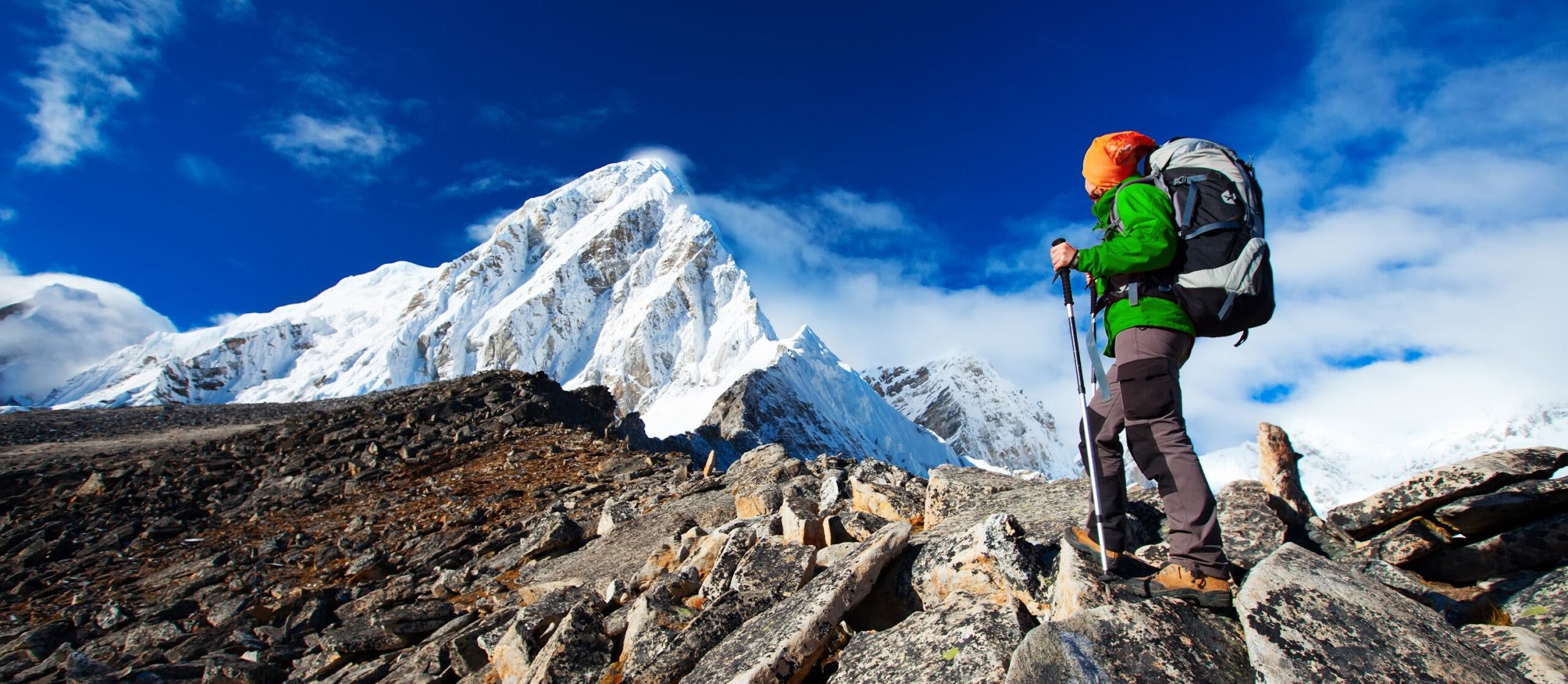
The Himalayan region lies in northern Nepal and features snow-covered mountains, glaciers, alpine valleys and remote mountain settlements.

Nepal is home to eight of the world's 14 mountains exceeding 8,000 meters, including Mount Everest (8,848 m), Kanchenjunga (8,586 m), Lhotse (8,516 m), Makalu (8,463 m), Cho Oyu (8,201m), Dhaulagiri (8,167 m), Manaslu (8,163 m) and Annapurna (8,091 m)

Popular destinations include:

  • Everest Base Camp and the Everest region
  • Annapurna Circuit and Annapurna Base Camp
  • Langtang Valley
  • Manaslu Circuit
  • Upper Mustang
  • Dolpo

Best experiences: Himalayan trekking, mountain photography, mountaineering and exploring traditional mountain villages.

Temperatures can drop significantly at higher elevations. Travelers should plan for changing weather, suitable clothing, gradual ascent and proper acclimatization.

2.Hill Region: Valleys, Villages and Culture

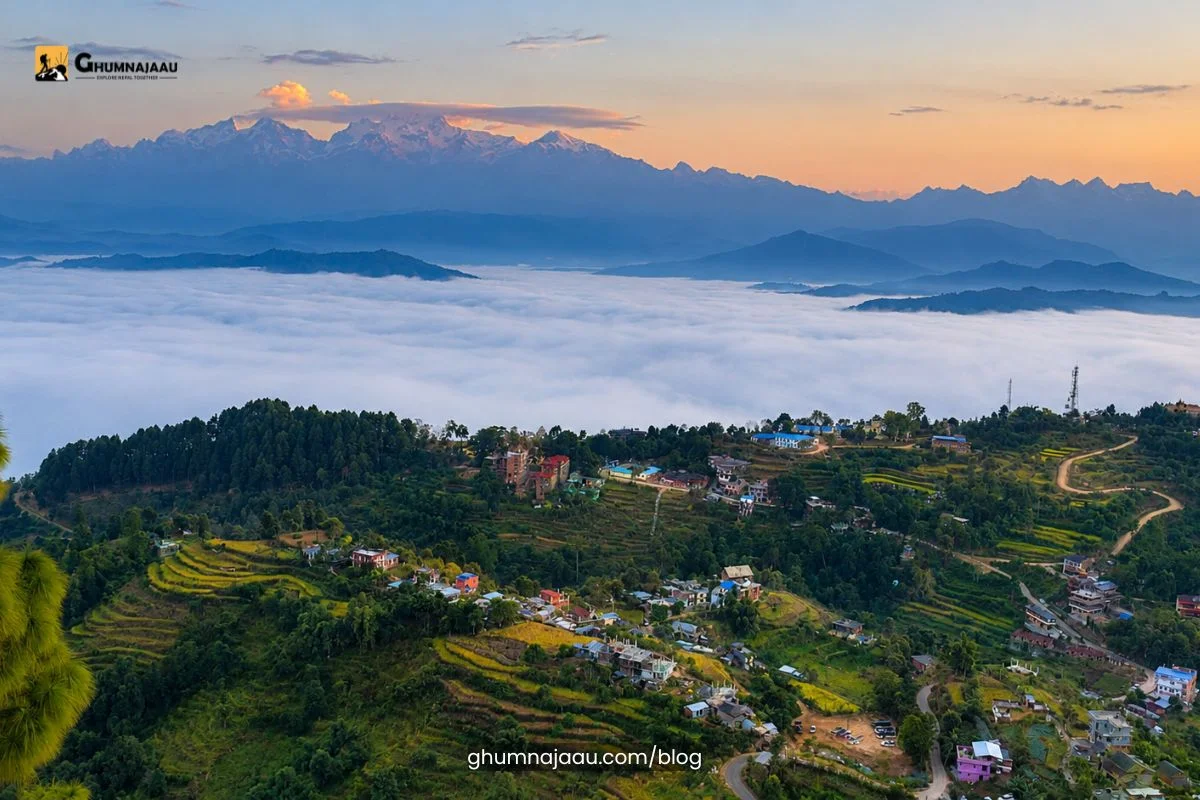
The hill region lies between the Himalayas and the southern plains. It includes green hills, terraced farmland, forests, rivers, traditional villages and historic towns.

Kathmandu is famous for its temples, stupas and UNESCO World Heritage Sites. Pokhara attracts visitors with its lakes, mountain views and adventure activities.

Other popular destinations include Bandipur, Ghandruk, Dhampus, Tansen and Ilam.

Best experiences: Cultural tours, village walks, short treks, scenic viewpoints, homestays and educational tours.

The hill region is ideal for travelers who want to experience Nepal's natural beauty and local culture without undertaking a demanding high-altitude trek.

3.Terai Region: Wildlife, Plains and Spiritual Heritage

The Terai is the lowland region of southern Nepal, known for fertile plains, subtropical forests, grasslands and diverse communities.

Chitwan National Park and Bardia National Park are popular wildlife destinations, offering opportunities to discover Nepal's natural environment. Lumbini, the birthplace of Gautama Buddha, is an important spiritual destination, while Janakpur is known for its religious heritage and Maithili culture.

Best experiences: Jungle safaris, birdwatching, wildlife photography, cultural exploration and pilgrimage tours.

The Terai can be very hot during summer. For outdoor activities, consider seasonal temperatures and the best time to visit each destination.

Nepal Climate and Weather

Nepal's climate varies according to altitude, location and season. The southern plains can experience temperatures above 40°C during hot periods, while high Himalayan destinations can experience freezing temperatures, snow and strong winds.

This means that Kathmandu, Pokhara, Chitwan and Everest Base Camp can have very different weather conditions on the same day.

Nepal's Five Seasons

Nepal is traditionally described as having five seasons: spring, summer, monsoon, autumn and winter.

  • Spring (March–May): Spring brings warmer temperatures, blooming rhododendrons and pleasant conditions for many trekking routes and sightseeing tours. It is a popular season for exploring the Himalayas and Nepal's hill regions.
  • Summer (June–August): Summer brings warmer temperatures, greener landscapes and increasing rainfall. Pre-monsoon storms and wet conditions can affect road journeys, outdoor activities and mountain flights.
  • Monsoon (June–September): Monsoon brings frequent rainfall to many parts of Nepal. Forests become lush, rivers and waterfalls fill, and the countryside turns green. However, landslides, road disruptions, leeches and flight delays may affect travel plans.
  • Autumn (September–November): Autumn is one of the most popular seasons for trekking and mountain holidays. October and November often offer pleasant temperatures and clear Himalayan views, although weather conditions can change.
  • Winter (December–February): Winter brings cooler weather to cities and plains and very cold conditions in the mountains. Many lower-altitude destinations remain suitable for sightseeing, while high-altitude trails may experience snow and temporary closures.

Note: Summer and monsoon overlap. These seasonal periods are approximate, and actual conditions vary by year and location.

Best Time to Visit Nepal

The best time to visit Nepal depends on your preferred destinations, activities and travel style. Spring and autumn are generally the most popular seasons for trekking, while cultural tours and selected low-altitude destinations can be explored throughout the year.

Spring: March to May

Spring is a great time for trekking, nature walks, village visits and cultural sightseeing. Rhododendron forests bloom in many hill and mountain areas, creating colourful landscapes.

Best for: Trekking, nature, photography and cultural tours.

Autumn: September to November

Autumn is widely considered one of the best seasons for Nepal trekking and mountain holidays. October and November often bring favorable trekking conditions and impressive mountain views.

Best for: Everest Base Camp, Annapurna treks, Manaslu, sightseeing and adventure holidays.

Winter: December to February

Winter is suitable for Kathmandu Valley sightseeing, wildlife experiences in the lowlands and selected lower-altitude treks. Higher mountain routes can be extremely cold and may be affected by snow.

Best for: Cultural tours, family holidays, wildlife safaris and lower-altitude walks.

Monsoon: June to September

Monsoon brings rain to much of Nepal, but it also offers green hills, waterfalls and quieter travel experiences. Rain-shadow destinations such as Upper Mustang can be attractive options during this period, depending on current road, trail and weather conditions.

Best for: Selected rain-shadow treks, nature photography and flexible itineraries.

Travel tip:

Nepal can be visited year-round. Choose your destination and activities according to seasonal weather, altitude and local travel conditions.

Essential Nepal Travel Facts

Knowing a few practical details before arrival can make your Nepal holiday easier and more comfortable.

Travel information

Details

Official language

Nepali

Currency

Nepalese rupee (NPR)

Time zone

Nepal Standard Time (UTC+5:45)

Main international airport

Tribhuvan International Airport, Kathmandu

Measurement system

Metric: metres and kilometres

Main transport

Domestic flights, tourist buses, private vehicles and local transport

Accommodation

Hotels, resorts, guesthouses, homestays and trekking teahouses

Popular foods

Dal bhat, momo, Newari cuisine and Thakali set.

English is commonly used in the tourism industry, especially in major destinations, hotels and by many trekking guides.

Getting Around Nepal

Travelers can explore Nepal using domestic flights, tourist buses, private vehicles and local transport. However, mountainous terrain, traffic, roadworks and weather can make road journeys longer than expected.

Allow extra time for transfers, especially when connecting domestic flights with trekking departures or travelling during the monsoon.

Food and Accommodation

Nepal offers a wide range of food and accommodation options for different budgets. Visitors can enjoy traditional Nepali meals, regional cuisines and international dishes in many tourist destinations.

Accommodation ranges from budget guesthouses to luxury hotels in cities, while trekking routes commonly offer teahouses and mountain lodges.

Nepal Visa and Entry Requirements

Most foreign visitors need a valid visa to enter Nepal, while Indian nationals generally do not require a visa under the applicable arrangements.

Eligible international travelers can obtain a tourist visa on arrival at designated entry points or arrange a visa through a Nepalese diplomatic mission before travelling. Eligibility and procedures depend on nationality and current immigration regulations.

Before departure, check:

  • Passport validity and applicable entry requirements
  • Tourist visa eligibility and fees
  • Visa duration and extension rules, if needed
  • Trekking permits and restricted-area permissions for your itinerary

Visa policies and fees can change. Always consult the official Nepal Department of Immigration and Nepal Tourism Board websites for the latest information.

Nepal Travel Safety Tips

Nepal is a rewarding destination, but its varied terrain and changing weather require sensible preparation. Follow these essential travel tips for a safer and more enjoyable trip.

  • Prepare for altitude: Ascend gradually on high-altitude treks, allow time for acclimatization and learn to recognize symptoms of altitude sickness. Descend and seek medical assistance if serious symptoms develop.
  • Check weather and trail conditions: Weather, landslides, snowfall and road conditions can affect travel, particularly during the monsoon and winter.
  • Get suitable travel insurance: Choose a policy that covers your planned activities. For high-altitude trekking, check altitude limits and emergency helicopter evacuation coverage.
  • Understand permits and guide requirements: Check the current rules for national parks, conservation areas and restricted regions before departure. Some routes require licensed guides or special permits.
  • Pack appropriate clothing: Bring layers, comfortable walking shoes, sun protection and rain protection suited to your destinations and season.
  • Respect local culture and nature: Dress appropriately at religious sites, ask permission before photographing people, avoid littering and support local businesses.
  • Plan realistic travel times: Do not schedule tight connections after long road journeys or demanding mountain activities.

Good preparation helps you enjoy Nepal's landscapes and culture while reducing avoidable travel risks.

Planning Your Nepal Trip

Planning a Nepal itinerary involves more than choosing destinations. Consider geography, elevation, weather, travel time and the physical demands of your activities.

For example, a cultural holiday covering Kathmandu, Bhaktapur and Pokhara offers a different experience from a high-altitude trek in the Everest or Annapurna region. A Chitwan wildlife safari also requires different preparation from a winter mountain journey.

How to Plan Your Nepal Itinerary

  1. Choose your travel experience. Decide whether you prefer trekking, cultural sightseeing, wildlife, adventure activities, relaxation or a combination.
  2. Select the right season. Match your destinations to expected weather and trail conditions.
  3. Set a realistic duration. Include travel days, rest days and possible delays rather than focusing only on sightseeing time.
  4. Consider altitude and fitness. Choose a trekking route that matches your experience, physical condition and acclimatization needs.
  5. Arrange transport, accommodation and permits. Book essential services in advance during popular travel seasons and verify current entry requirements.
  6. Prepare for local conditions. Pack suitable clothing, carry essential medication and keep some flexibility in your schedule.

How Many Days Do You Need in Nepal?

Your ideal trip length depends on your interests and destinations.

  • 3 - 5 days: Kathmandu Valley sightseeing or a short cultural holiday.
  • 6 - 9 days: A combination of Kathmandu, Pokhara and selected nearby experiences.
  • 10 -14 days: A more extensive cultural holiday or selected trekking itinerary.
  • 15 days or more: Longer treks, multi-region tours or more relaxed exploration.

These are general planning suggestions, not fixed requirements. Trekking duration depends on the chosen route, acclimatization schedule, transport arrangements and weather conditions.

A well-planned itinerary allows you to experience more of Nepal without unnecessary rushing.

Explore Nepal with Ghumnajaau

Nepal offers an extraordinary combination of Himalayan landscapes, cultural heritage, traditional villages, wildlife and welcoming local communities. From mountain adventures to peaceful nature escapes, every region offers something different.

Understanding Nepal's geography, climate and essential travel information is the first step towards planning a memorable holiday.

Ghumnajaau helps travelers discover Nepal through customized tours, trekking adventures, cultural journeys, family holidays, educational trips and wildlife experiences.

Whether you are visiting Nepal for the first time or returning to explore a new region, we can help you choose destinations and plan an itinerary that suits your time, interests and travel style.

Explore our travel experiences at Ghumnajaau.com and start planning your Nepal adventure.

Travel together. Explore deeper. Discover Nepal with Ghumnajaau.

Ghumnajaau local expert will be available to help your resolve your quires for this tour.
  • +977-98513-33595
Customize your own trip?