Everest Region, Nepal – Journey to the Roof of the World
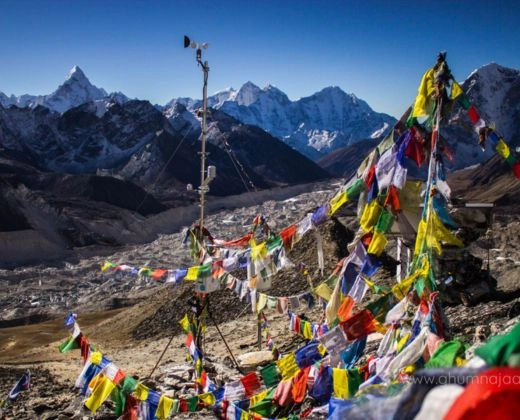
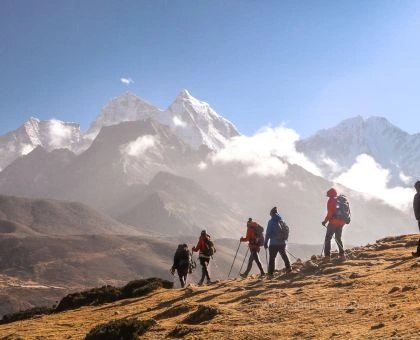
Stand beneath the shadow of the world’s highest peak, breathe in crisp Himalayan air, and walk through ancient Sherpa villages where prayer flags dance in the wind welcome to the Everest Region. This is not just a trek; it’s a life-changing journey into the heart of the Himalaya.
Overview of the Destination
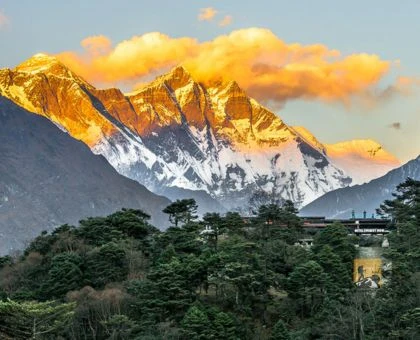
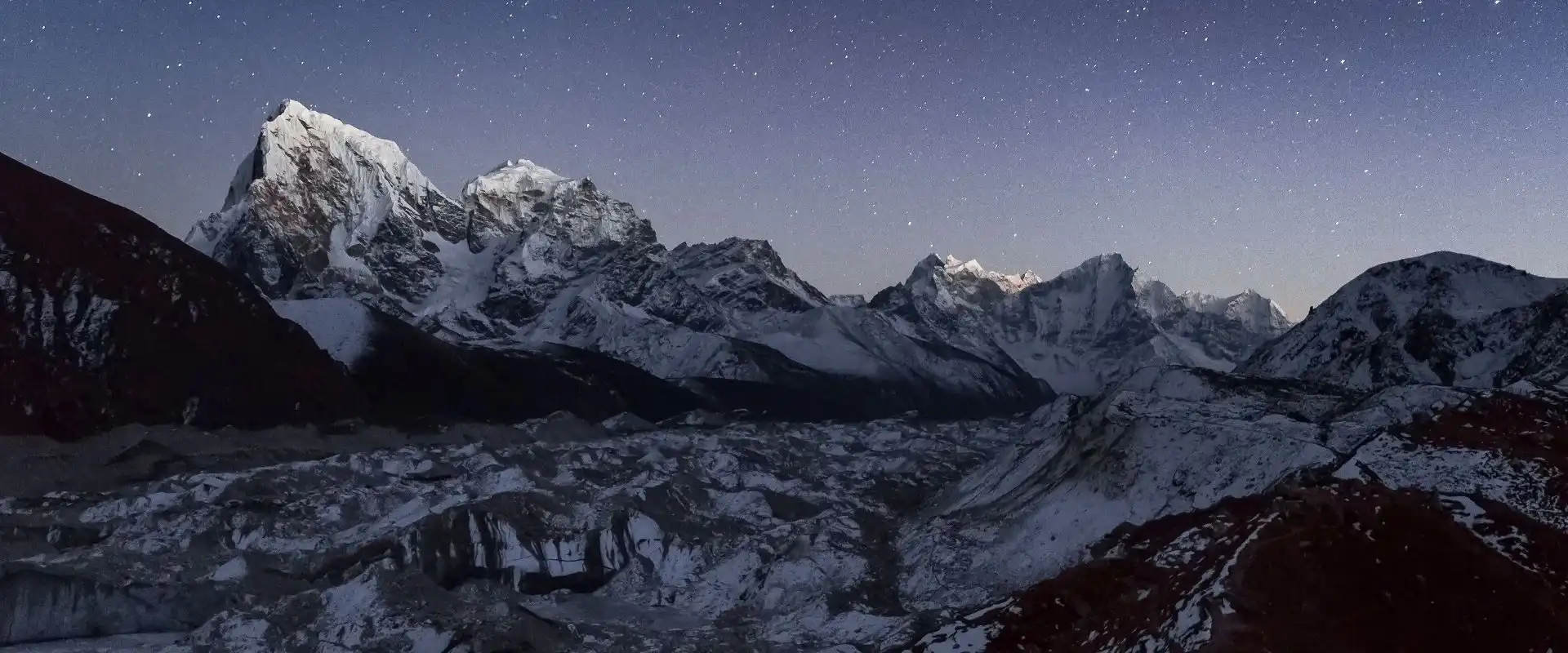
Located in northeastern Nepal within Sagarmatha National Park, the Everest Region is home to the legendary Mount Everest (8,848.86m). The region blends dramatic landscapes with deep-rooted Buddhist culture, offering trekkers, climbers, and nature lovers an unforgettable experience.
The vibrant mountain hub of Namche Bazaar serves as the gateway to Everest adventures. From lush forests to alpine terrain and glacial valleys, every step reveals a new dimension of Himalayan beauty.
Top Attractions
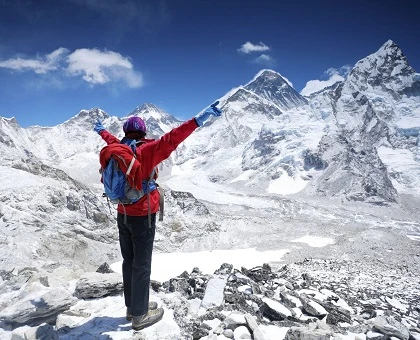
- Everest Base Camp (5,364m) – The iconic destination for trekkers worldwide
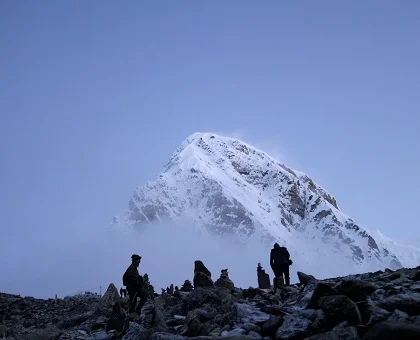
- Kala Patthar (5,545m) – Best panoramic view of Everest
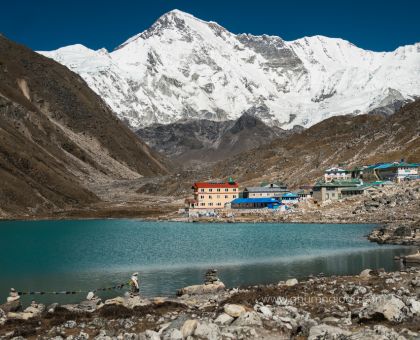
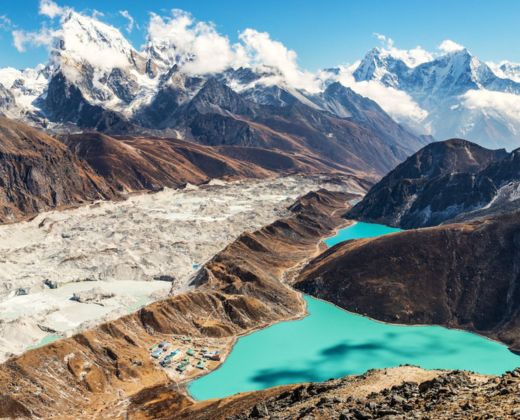
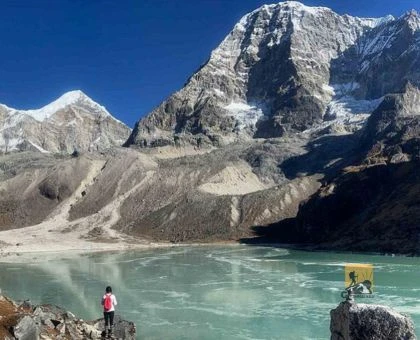
- Gokyo Lakes – Turquoise alpine lakes with stunning reflections
- Tengboche Monastery – Spiritual center with Himalayan backdrop
- Ama Dablam – One of the most beautiful mountains in the world
- Renjo La Pass (5,360m) – Less crowded, breathtaking views
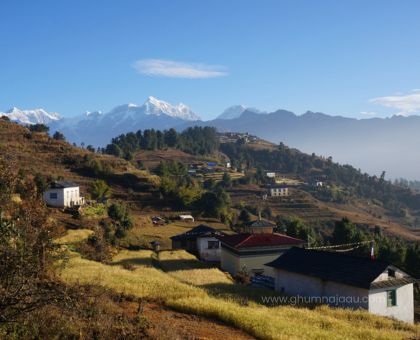
- Pikey Peak – A favorite viewpoint of Sir Edmund Hillary
How to Reach
- Flight Option: A scenic 30–35 minute flight from Kathmandu to Lukla Airport
- Road Option: Drive to Salleri (1.5–2 days) and begin trekking
- Classic Route: Trek via Jiri and Junbesi for a traditional approach
Best Time to Visit
- Spring (March–April): Blooming rhododendrons, stable weather
- Autumn (October–November): Clear skies, best mountain views
- Winter (December–February): Quiet trails but cold temperatures
- Monsoon (June–August): Less ideal due to rain and cloud cover
Suggested Itinerary (Everest Base Camp – 12–14 Days)
Day 1: Fly to Lukla – Trek to Phakding
Day 2: Trek to Namche Bazaar
Day 3: Acclimatization at Namche
Day 4: Trek to Tengboche
Day 5: Trek to Dingboche
Day 6: Acclimatization
Day 7: Trek to Lobuche
Day 8: Trek to Everest Base Camp – Return to Gorakshep
Day 9: Hike Kala Patthar – Trek to Pheriche
Day 10–12: Return trek to Lukla
Popular Trekking Routes
- Everest Base Camp Trek
- Everest Base Camp via Gokyo & Cho La Pass
- Gokyo Lake Trek
- Renjo-La Pass Trek
- Everest Base Camp Trek by Road
- Pikey Peak Family Trek
- Dudh Kunda Trek
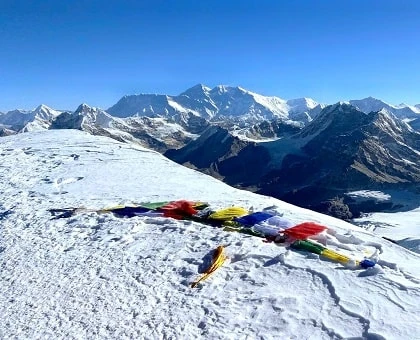
- Mera Peak Trek & Climbing
- Three High Passes Trek
Food & Local Culture
The Everest region is home to the resilient Sherpa people, known for their mountaineering skills and warm hospitality.
Popular Foods:
- Dal Bhat (rice, lentils, vegetables)
- Sherpa stew
- Tibetan bread & butter tea
- Momo(dumplings)
Buddhism shapes daily life here, reflected in monasteries, prayer wheels, mani walls, and festivals like Mani Rimdu at Tengboche.
Accommodation
- Tea Houses: Basic yet comfortable lodges with meals and rooms
- Luxury Lodges: Premium stays in select areas like Namche and Phakding
- Camping Treks: Available for remote routes
Travel Tips
- Acclimatization is key: Avoid altitude sickness by ascending gradually
- Stay hydrated: Drink plenty of water
- Travel insurance: Must cover high-altitude trekking
- Pack smart: Warm layers, good trekking boots, and essentials
- Respect culture: Follow local customs and monastery etiquette
- Weather awareness: Flights to Lukla can be delayed—keep buffer days
- Hire guides/porters: Enhances safety and supports local economy
The Everest Region is more than a destination. it’s a personal journey of endurance, culture, and awe. Whether you chase the dream of Everest Base Camp or explore hidden trails like Gokyo and Renjo-La, every step here tells a story of adventure and inspiration.
Ready to explore Everest with Ghumnajaau? Your Himalayan journey begins now.