
Humla is one of Nepal's most remote districts. It lies in the far northwest against the Tibetan border, where high passes, deep river valleys and Tibetan Buddhist villages shape daily life. Few trekkers come this way. Those who do find old monasteries, wide trans-Himalayan landscapes, and a pace of life that has changed slowly.
This guide covers the main reasons to visit Humla: the Limi Valley, the Nyinba area, the gateway town of Simikot, and the route towards Mount Kailash.
| Detail | Information |
|---|---|
| Location | Far northwest Nepal, Karnali Province, bordering Tibet (China) |
| District Headquarters | Simikot |
| Main Attractions | Limi Valley, Rinchenling Monastery, Nyinba villages, Kailash route |
| Culture | Tibetan Buddhist, with strong Tibetan-style architecture and customs |
| Trek Style | Remote, often camping-based, guided |
| Difficulty | Moderate to strenuous, with high passes |
| Permits | Humla restricted-area permit, plus a registered agency |
| Best Season | Spring and autumn; some routes also work in summer |
Limi is a high valley in the far north of Humla, bordering Tibet. It has only three settlements: Jang (Dzang), Halji and Til. The Limi people follow Tibetan Buddhism and have kept their language, dress and traditions.
Limi Valley highlights
Limi can be reached from Simikot by two main routes. One follows the Humla Karnali river to Hilsa and then climbs east into the valley. The other crosses the Nyalu La from the Takchi side. Trip length depends on the route and how far you go.
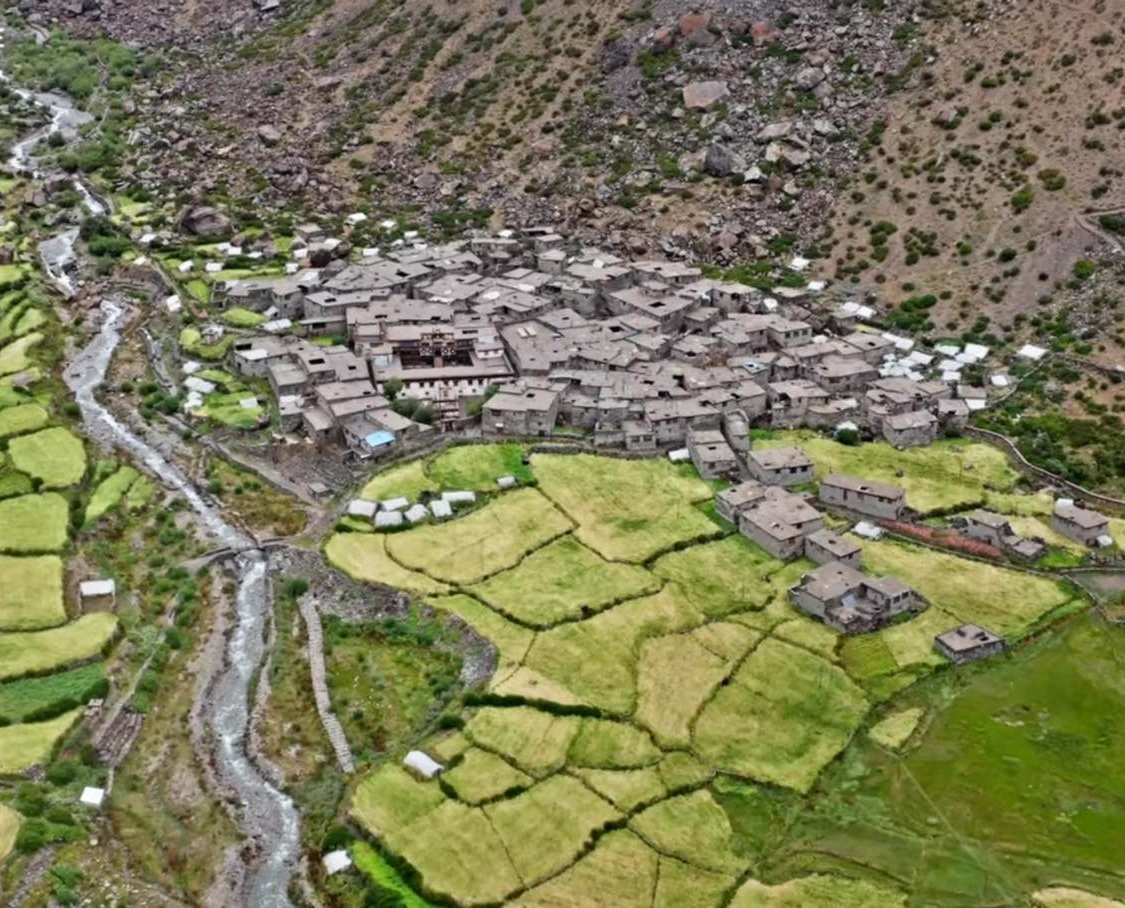
The Nyinba area gives a look at traditional Humla village life, with Tibetan-style houses, terraced fields and old customs. It combines well with a Limi trek or a longer Upper Humla circuit. Your guide will plan village stops based on your route and season.
Simikot is the district headquarters and the main arrival point for visitors. Most trips start here after a flight from Nepalgunj. It is a good place to organise porters and check permits before heading north. Allow time to adjust to the altitude.
Humla is a traditional starting point for pilgrims travelling to Mount Kailash and Lake Manasarovar in Tibet. The journey normally crosses the border at Hilsa and continues into Tibet.
This is a two-country trip, so it needs extra planning:
Rules for the Tibet section change often. Confirm everything with Ghumnajaau well before you plan flights.
Road travel to Humla is very long and rough, so most visitors fly.
| Season | What to expect |
|---|---|
| Spring (March–May) | Milder weather, but high passes may still hold snow. |
| Summer (June–August) | Humla gets less monsoon rain than most of Nepal, so some routes are open. Flights and low-altitude trails can still be affected by weather. |
| Autumn (September–November) | Clear skies, stable weather and good views. The main season for Limi. If snow holds off, treks can run until around mid-December. |
| Winter (December–February) | Very cold and snowbound at altitude. Not recommended. |
Upper Humla, including Limi, is a restricted area. Foreign visitors need a Humla restricted-area permit arranged through a registered trekking agency in Nepal.
| Permit | Fee for foreign trekkers |
| Humla restricted-area permit (Simikot and the Limi route) | US$50 per person for the first 7 days, then US$10 per person per extra day |
Durations vary widely, from about ten days for a Limi trek to several weeks for the circuit or the Kailash journey. We design each trip around your time, fitness and season.
Do I need a permit for Humla?
Yes. Upper Humla, including Limi Valley, is a restricted area. A permit is arranged through a registered trekking agency.
Can I trek in Humla in summer?
Some routes can be trekked in summer because Humla sits in a rain shadow, but weather still affects flights and trails. Spring and autumn are more reliable.
How do I get to Limi Valley?
Fly to Simikot, then trek north, either via Hilsa or across the Nyalu La.
Can I go to Mount Kailash from Humla?
Yes. Humla is a traditional starting point, but you also need a Chinese visa and Tibet travel permits through a licensed operator.
Is Humla suitable for first-time trekkers?
It is better for people with some trekking experience, because of remoteness, camping and high passes.
Ghumnajaau, a Nepal travel company operating since 2013, can arrange Humla permits, flights, guides, porters and camping logistics, from a Limi Valley trek to a full Kailash journey. Share your dates and experience, and we will build a safe, realistic itinerary.
Contact Ghumnajaau to plan your Humla trip.
Related guides: Rara National Park (Mugu) | Trekking Permits and Fees in Nepal | Best Time to Visit Nepal

We create unforgettable trips, customized for your group.