
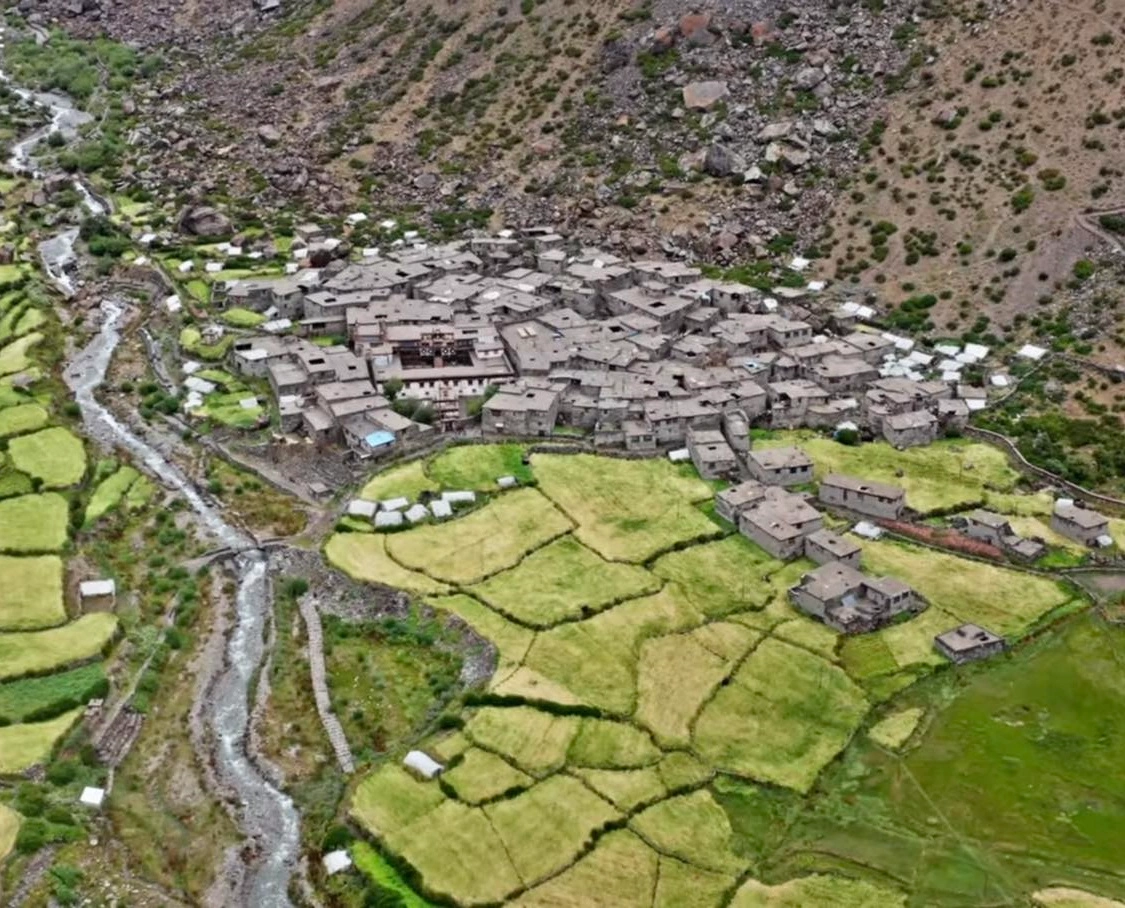


The Humla Limi Valley Trek is one of Nepal’s most remote and spiritually rewarding Himalayan adventures. Hidden in the far northwestern region near the Tibetan border, this extraordinary journey takes trekkers through untouched valleys, ancient Tibetan Buddhist villages, dramatic mountain passes, and pristine wilderness rarely visited by outsiders. From the sacred views of Mount Kailash to the timeless lifestyle of the Limi Valley people, every step of this trek offers a deep cultural connection, breathtaking landscapes, and the true essence of off-the-beaten-path Himalayan exploration.
The Humla Limi Valley Trek is a remarkable 20-day Himalayan expedition that combines wilderness adventure, ancient culture, and spiritual exploration in one of Nepal’s least-explored trekking destinations. Starting with scenic flights from Kathmandu to Nepalgunj and Simikot, the trek follows the historic Karnali River valley through remote settlements, alpine meadows, deep gorges, and high mountain deserts near the Tibetan border.
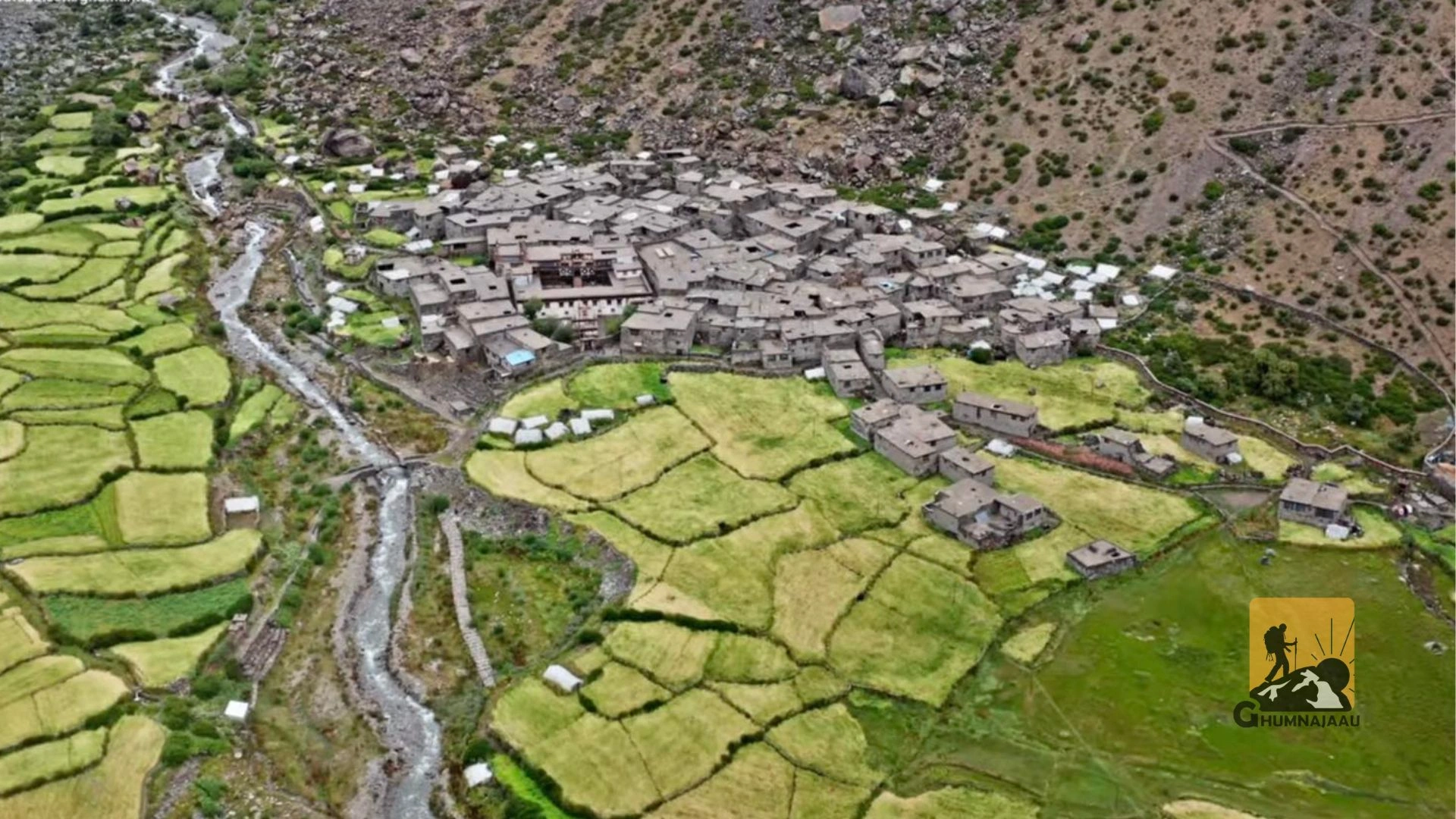
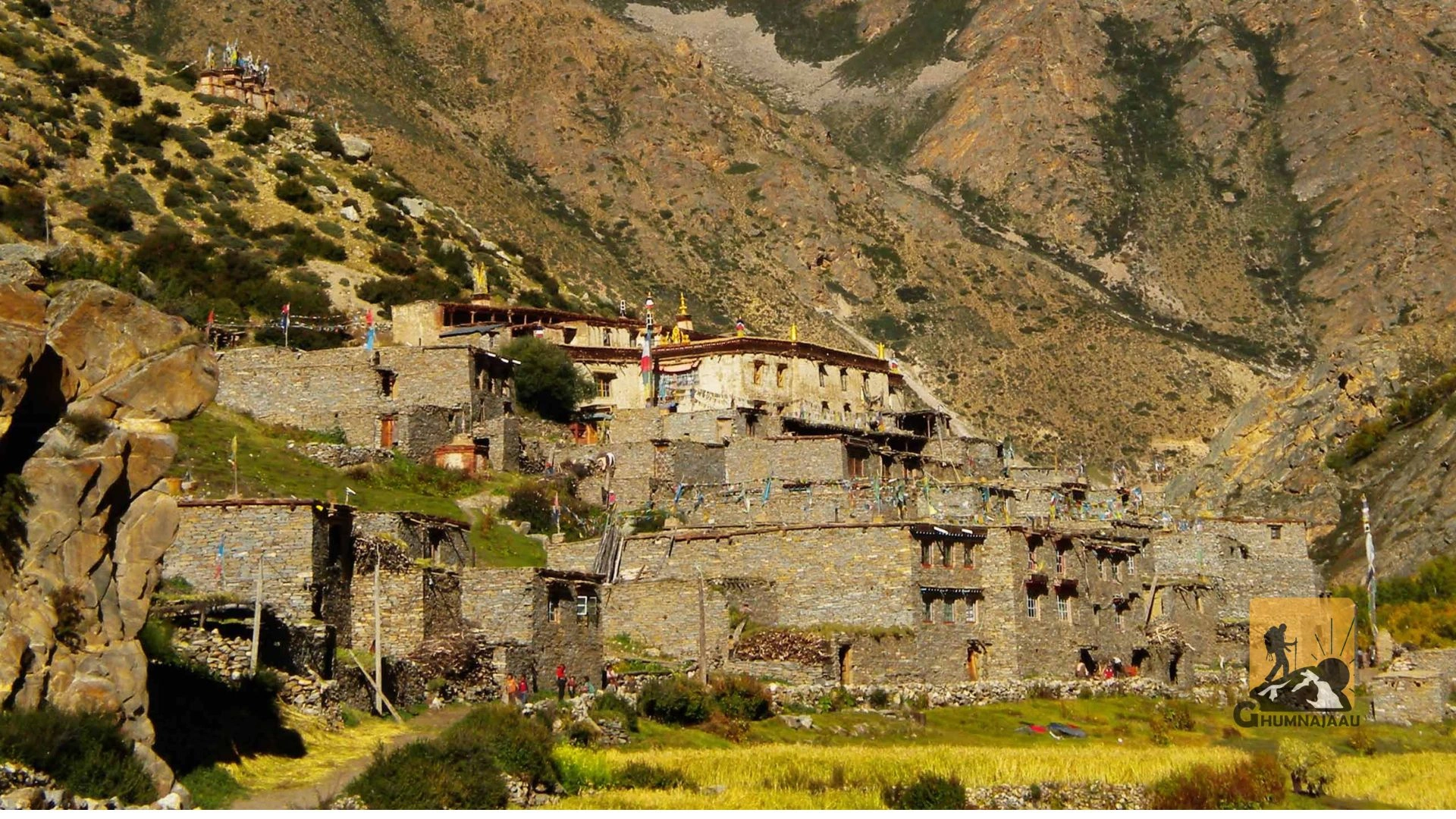
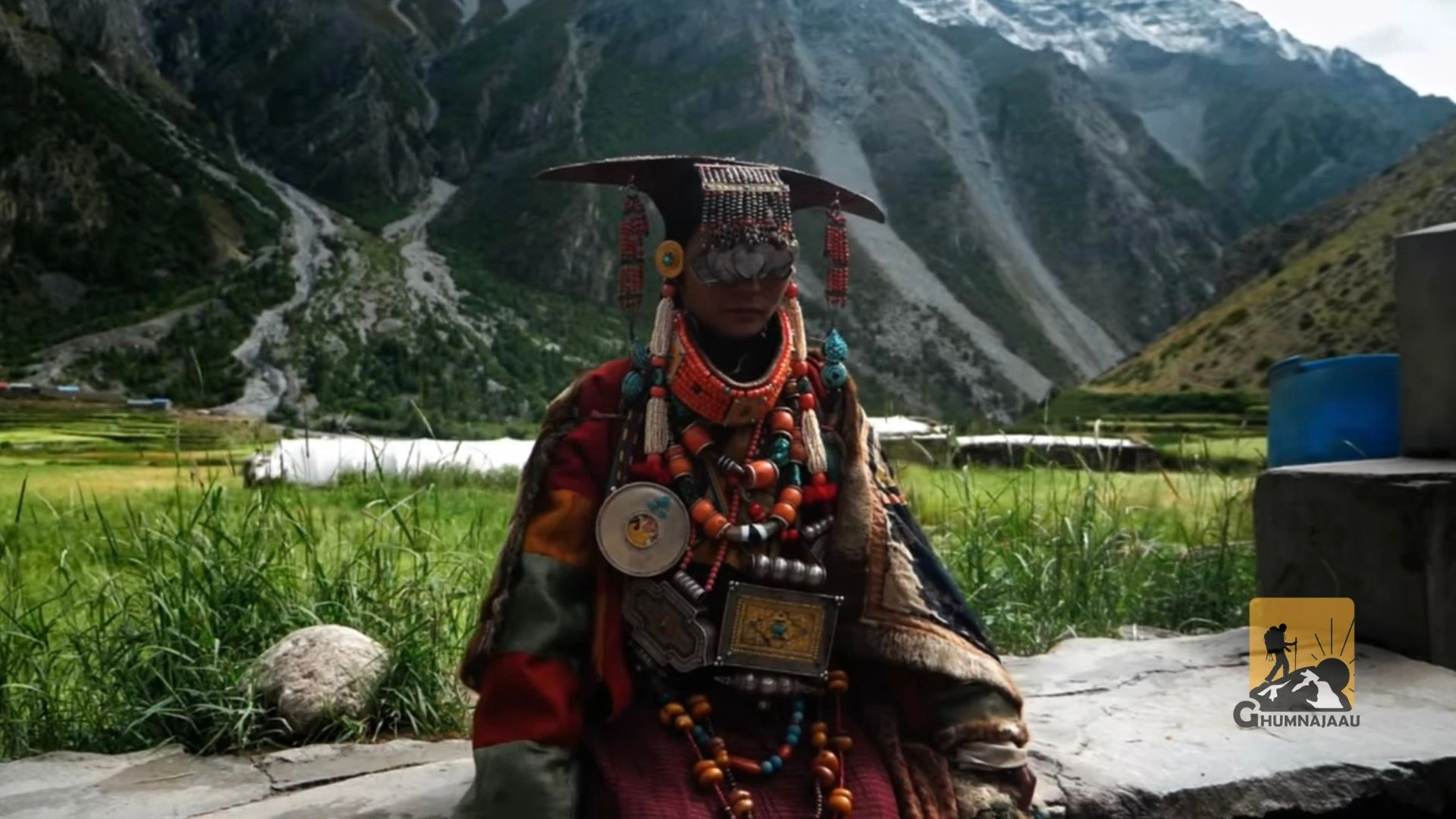
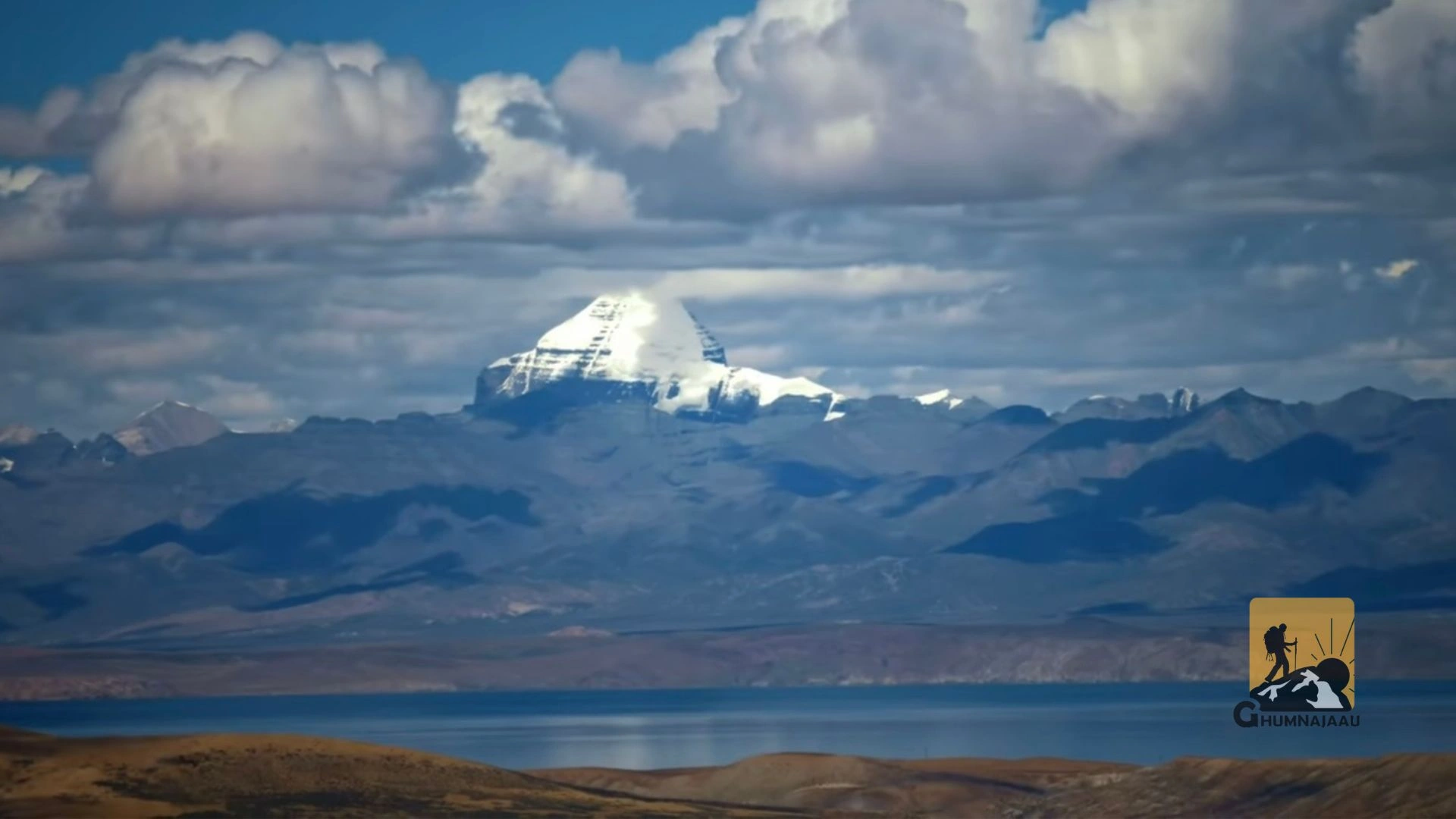
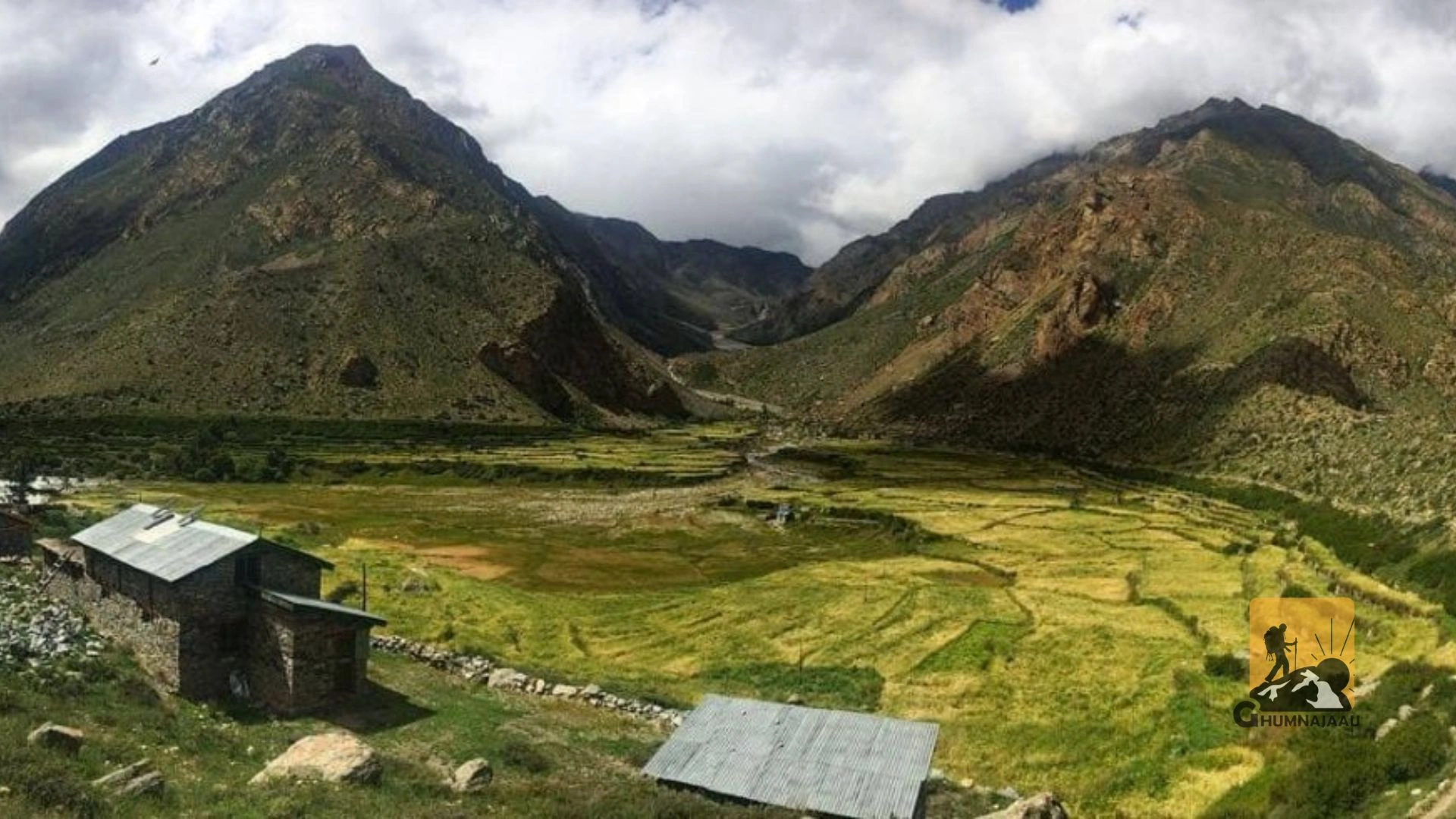
The trail passes through beautiful villages such as Kermi, Yalbang, Tumkot, Hilsa, Halji, and Jang, where local communities continue to live according to centuries-old Tibetan traditions. Ancient monasteries, prayer flags, stone-carved mani walls, and sacred caves create a deeply spiritual atmosphere throughout the journey. One of the major highlights is the breathtaking view of Mount Kailash (6,638m), one of the holiest mountains in Asia, visible from the Hilsa region near Tibet. The trek also crosses challenging Himalayan passes including Nara La and Nyalu La, offering panoramic views of snow-capped peaks and rugged trans-Himalayan terrain.
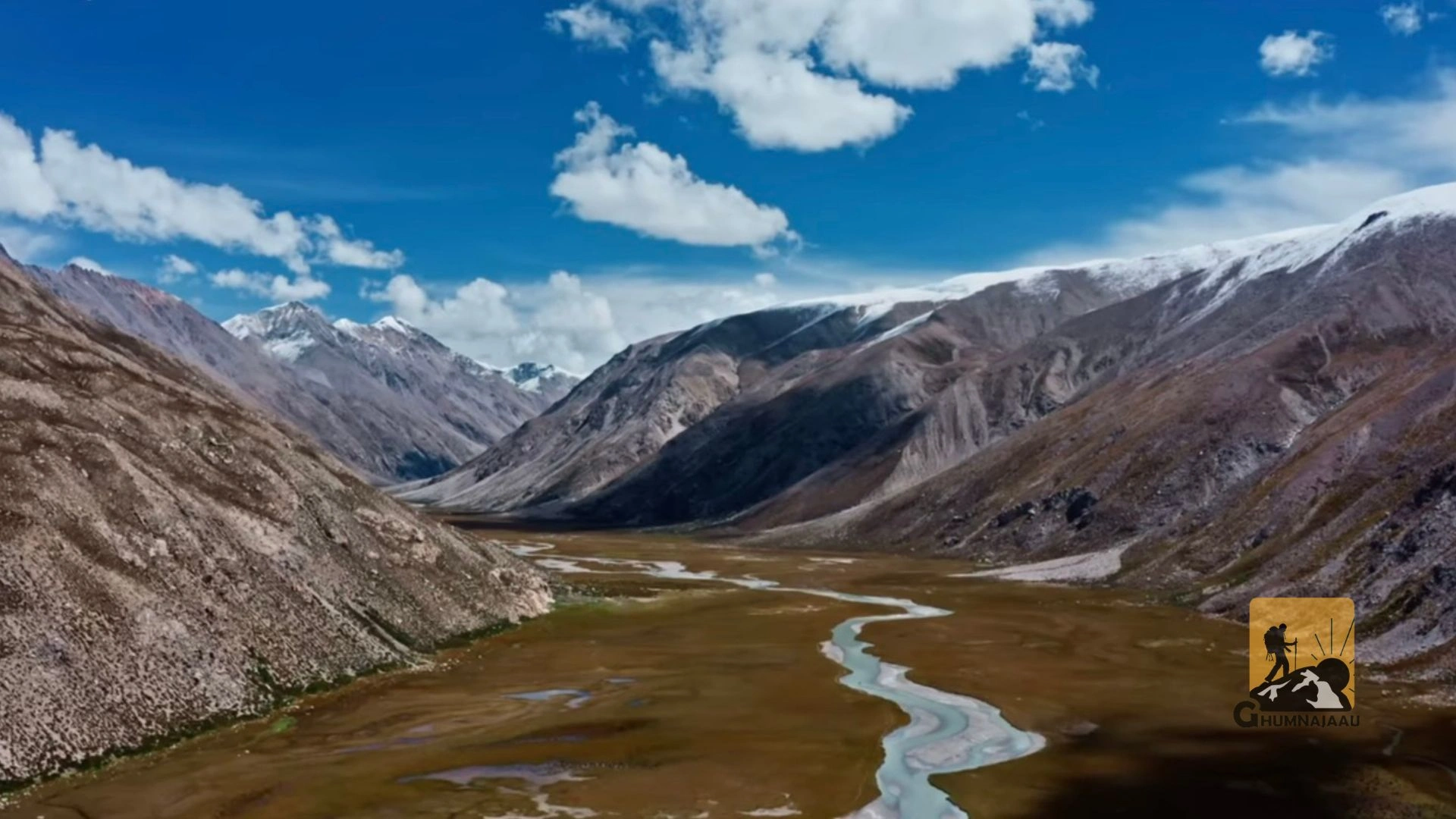
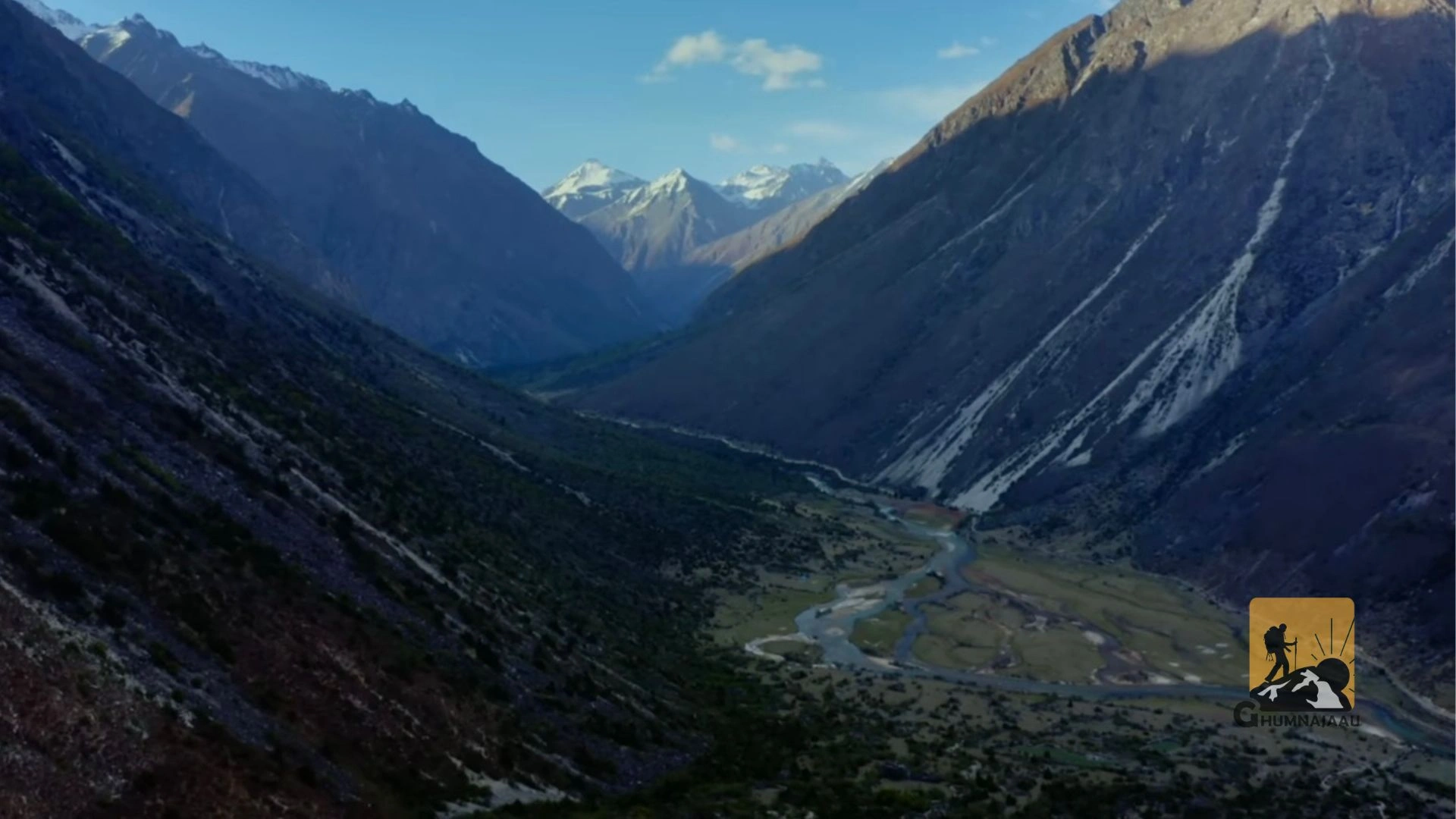
Limi Valley lies in a rain-shadow region, making it suitable even during monsoon months. Trekkers can enjoy dramatic landscapes ranging from green forests and river valleys to barren Tibetan-style plateaus rich in wildlife and biodiversity. The region is home to blue sheep, Himalayan griffons, marmots, wild yaks, and occasionally the elusive snow leopard. This trek is perfect for travelers seeking authentic Himalayan culture, peaceful trails, and a truly remote adventure away from commercial trekking routes.
Unlike popular trekking routes in Nepal, the Humla Limi Valley Trek offers complete isolation, untouched landscapes, and authentic cultural immersion. The region remained restricted to foreigners until 1993, helping preserve its traditional Tibetan heritage and pristine environment.
What makes this trek special is the rare opportunity to explore a hidden Himalayan valley where ancient traditions still thrive. You will experience remote villages untouched by modernization, sacred monasteries over 1,000 years old, and spectacular Himalayan scenery with very few trekkers on the trail.
The trek also provides a unique combination of spiritual significance, natural beauty, wildlife exploration, and high-altitude adventure that cannot be found on more crowded trekking routes like Everest or Annapurna.
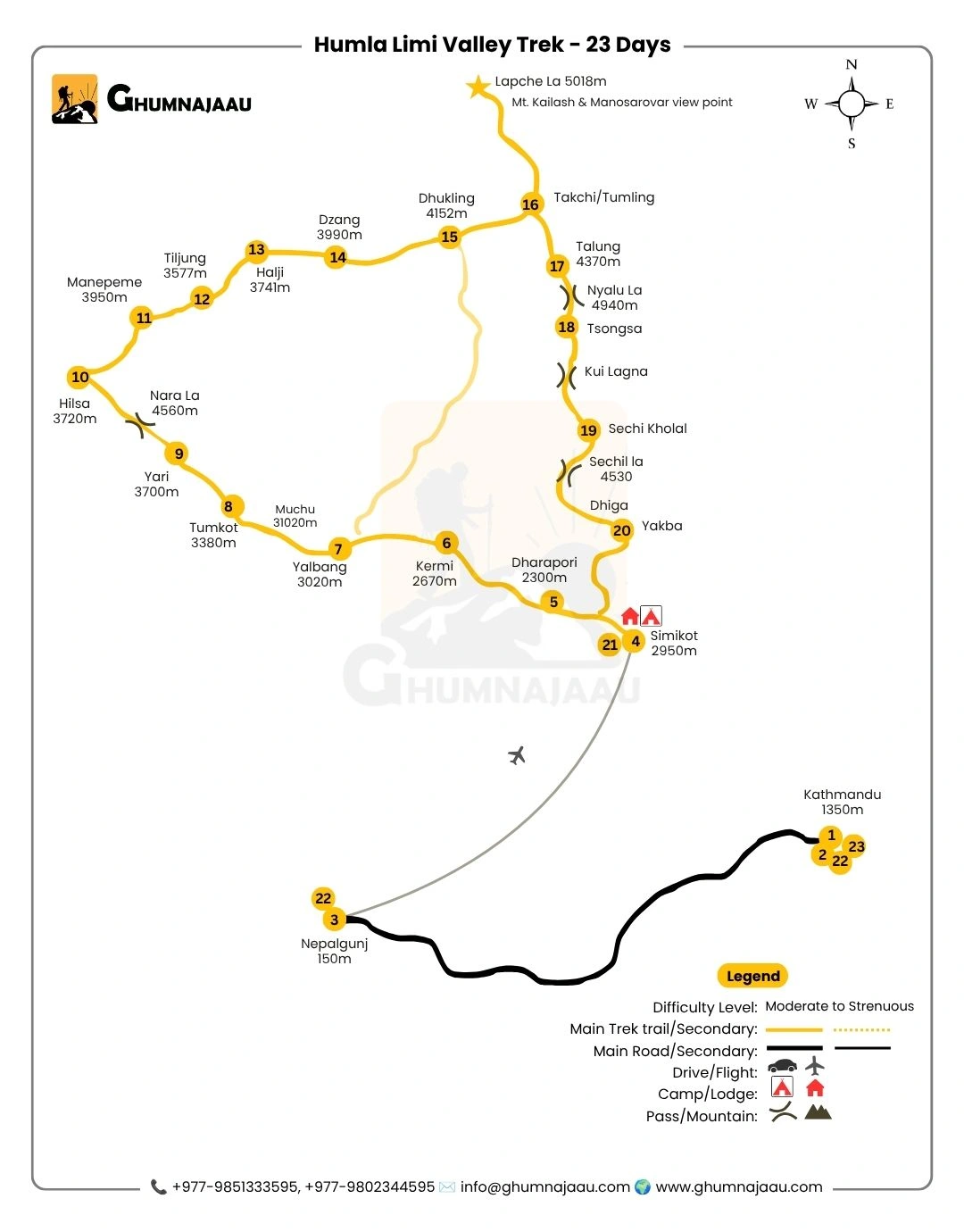
Day 1: Arrival in Kathmandu (1350m)
Day 2: Full Day Guided Sightseeing Tour in Kathmandu Valley by private vehicle
Day 3: Permit procedure and fly from Kathmandu to Nepalgunj (150m) - 55min flight
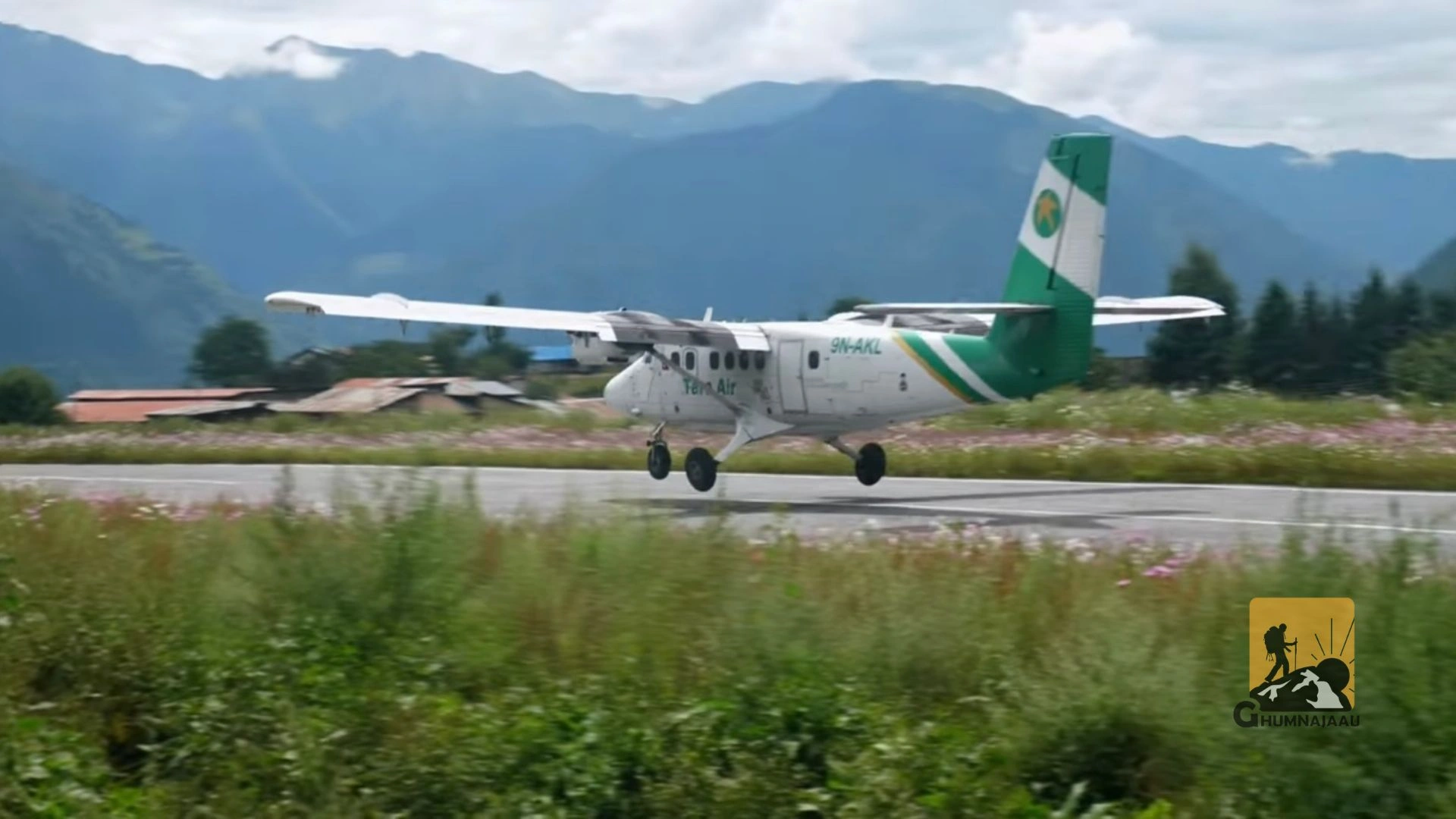
Day 4: Fly from Nepalgunj to Simikot (2950m) - 45minute
Day 5: Trek from Simikot to Dharapori (2360m) - 4 hours
Day 6: Trek from Dharapori to Kermi (2670m) - 5 hours
Day 7: Trek from Kermi to Yalbang (3020m)- 5 hours
Day 8: Trek from Yalbang to Tumkot (3080m) - 5 hours
Day 9: Trek from Tumkot to Yari (3663m, 5 hours) or Thado Dunga (3750m, 5 hours)
Day 10: Trek from Yari to Hilsa (3720m ) via Nara La (4560m)- 6 hours
Day 11: Trek from Hilsa to Manepeme (3950m)- 5 hours
Day 12: Trek from Manepeme to Tiljung (3577m) - 6 hours
Day 13: Trek from Tiljung to Halji (3741m) - 3 hours
Day 14: Trek from Halji to Dzang (Jang) (3990m) - 4 hours
Day 15: Trek from Jang to Dhukling (4152m) - 4-5 hours
Day 16: Trek from Dhukling to Takchi/Tumling - 3 hours.
Day 17: Trek from Takchi to Talung(4370m) - 7 hours
Day 18: Trek from Talung to Tsongsa across Nyalu La (4940m)-6-7 hours.
Day 19: Trek from Tsongsa to Sechi Khola across Kui Lagna - 5 hours.
Day 20: Trek from Sechi Khola to Yakba - 6-7 hours.
Day 21: Trek from Kermi to Simikot (2950m) - 6 hours
Day 22: Fly from Simikot to Nepalgunj 45 hour and later flight back to Kathmandu 50 minutes
Day 23: Final Departure from Kathmandu
Spring (March–May)
Spring is one of the best seasons for the Humla Limi Valley Trek. The weather remains stable with clear mountain views, blooming alpine flowers, and moderate temperatures, making trekking comfortable and scenic.
Summer/Monsoon (June–August)
Since Limi Valley lies in a rain-shadow region, the trek remains accessible even during monsoon. The landscapes become greener and less crowded, though flights may occasionally face delays due to weather.
Autumn (September–November)
Autumn offers crystal-clear skies, dry trails, and excellent visibility of the Himalayas. This is considered the peak trekking season with stable weather conditions.
Winter (December–February)
Winter trekking is possible but challenging due to snowfall, freezing temperatures, and harsh weather conditions at high passes.
The journey begins with a domestic flight from Kathmandu to Nepalgunj, followed by another scenic mountain flight to Simikot, the starting point of the trek.
Transportation Overview:
Airport transfers and all required ground transportation are arranged by Ghumnajaau for a smooth and hassle-free experience.
The Humla Limi Valley Trek is more than a trek - it is a once-in-a-lifetime Himalayan journey into one of the world’s last hidden mountain cultures. Contact Ghumnajaau today to customize your adventure, secure permits, and reserve your unforgettable trek in remote Nepal.
Day 01: Arrival in Kathmandu (1,350m / 4,429ft)
Welcome to Nepal! Upon your arrival at Tribhuvan International Airport, our representative will greet you and transfer you to your hotel. The rest of the day is free to rest or explore the bustling streets of Thamel.
After breakfast, enjoy a cultural sightseeing tour of the UNESCO World Heritage Sites in Kathmandu, including Pashupatinath Temple, Boudhanath Stupa, and Swayambhunath (Monkey Temple). In the afternoon, attend a trek briefing at our office where your guide will explain the route and preparations.
Today you take a 55-minute scenic flight to Nepalgunj, a bustling town in southwestern Nepal near the Indian border. The culture here blends Nepali and Indian influences. In the evening, you can explore the local bazaar before resting for tomorrow’s flight to the mountains.
This morning, take a 45–60 min mountain flight to Simikot, the administrative headquarters of Humla district. The flight offers stunning views of hills, river valleys, and snowcapped peaks. On arrival, you’ll feel the change in altitude and climate as you prepare to begin your trek the next day.
Your trek begins with a descent to the Humla Karnali River, followed by a scenic trail through pine forests and villages. You’ll cross small streams and a suspension bridge before reaching Dharapori, a small settlement surrounded by hills.
Today, the trail ascends gradually to Khagalgaon (3,400m / 11,155ft), passing the scenic Chaya Chahara waterfall. The path then climbs steeply above the gorge of the Humla Karnali River to reach Kermi, where natural hot springs offer a relaxing bath.
Descend briefly to Salli Khola on a suspension bridge before ascending along the Humla Karnali River to reach the Gompa in Yalbang, a calm and scenic campsite. Monks here speak English and warmly welcome trekkers.
The trail climbs above the Karnali River and passes the village of Yangar. Cross a wooden suspension bridge and continue ascending to Muchu or further to Tumkot, where you can visit Mota Gompa.
The trek gradually ascends through stony terrain and small villages like Pani Palbang, crossing Yari East and West before reaching Yari or Thado Dunga. The landscape becomes more isolated and rugged.
Cross the Nara La Pass (4,560m / 14,961ft), adorned with prayer flags, offering stunning views of Mount Kailash (6,638m / 21,778ft). Descend along rocky terrain to reach Hilsa, a busy border town with pilgrims heading to Kailash.
Cross a bridge over Humla Karnali River and follow a narrow trail along the gorge, passing barren peaks and sparse vegetation. Arrive at Manepeme, a quiet Himalayan village.
The trail ascends steep rocks and leaves Humla Karnali behind, entering Limi Valley. Visit the sacred Ya Yip Phuk Meditation Cave, historically used by Lotsawa Rinchen Sangpo.
An easy day along the leveled path of Limi River, passing a Chorten and large Mani wall. Explore monasteries in Halji with ornamented statues and Buddhist scriptures.
Follow the Limi River upstream to reach Jang, the last village in the valley. Explore the ancient Gompa with colorful Buddhist paintings.
The trek is moderately challenging and suitable for physically fit trekkers with some prior hiking experience.
Yes, the Humla Restricted Area Permit and other trekking permits are required.
Nyalu La Pass at 4,940m / 16,207ft is the highest point.
Beginners with good fitness and strong determination can join, but preparation is essential.
Yes, due to high elevations, proper acclimatization and hydration are important.
Hotels are used in Kathmandu and Nepalgunj, while camping accommodation is arranged during the trek.
Internet and mobile networks are very limited in remote areas of Humla.
Spring and autumn are the best seasons, though the trek is also possible during monsoon due to the rain-shadow region.
Yes, beautiful views of Mount Kailash can be seen from the Hilsa region.
Limi Valley is one of Nepal’s most isolated Himalayan valleys with preserved Tibetan culture, ancient monasteries, and untouched landscapes.