

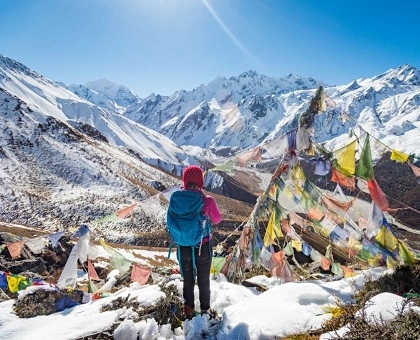


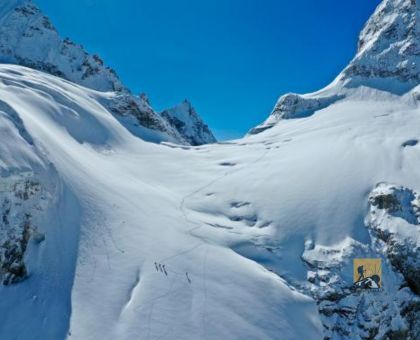

Hidden between the majestic Langtang and Manaslu regions, the Ruby Valley Trek is a peaceful Himalayan adventure filled with untouched landscapes, authentic village life, and breathtaking mountain scenery. This off-the-beaten-path journey takes travelers through remote Tamang, Gurung, and Ghale villages where warm hospitality, spiritual culture, and natural beauty create unforgettable memories. From lush forests and alpine meadows to panoramic views from Pangsang La Pass (3,850m), the Ruby Valley Trek offers a rare chance to experience the true soul of rural Nepal away from crowded trekking routes.
The Ruby Valley Trek is one of Nepal’s best hidden trekking experiences, located between the famous Langtang National Park and Manaslu Conservation Area. Named after the precious rubies and minerals once discovered in the region, this trek combines stunning Himalayan landscapes with rich cultural immersion. The journey begins with a scenic drive from Kathmandu to Dundure Khola before entering remote mountain trails surrounded by terraced fields, dense forests, and cascading rivers. As trekkers move deeper into the valley, the scenery changes from lush subtropical vegetation to alpine meadows and high mountain ridges.
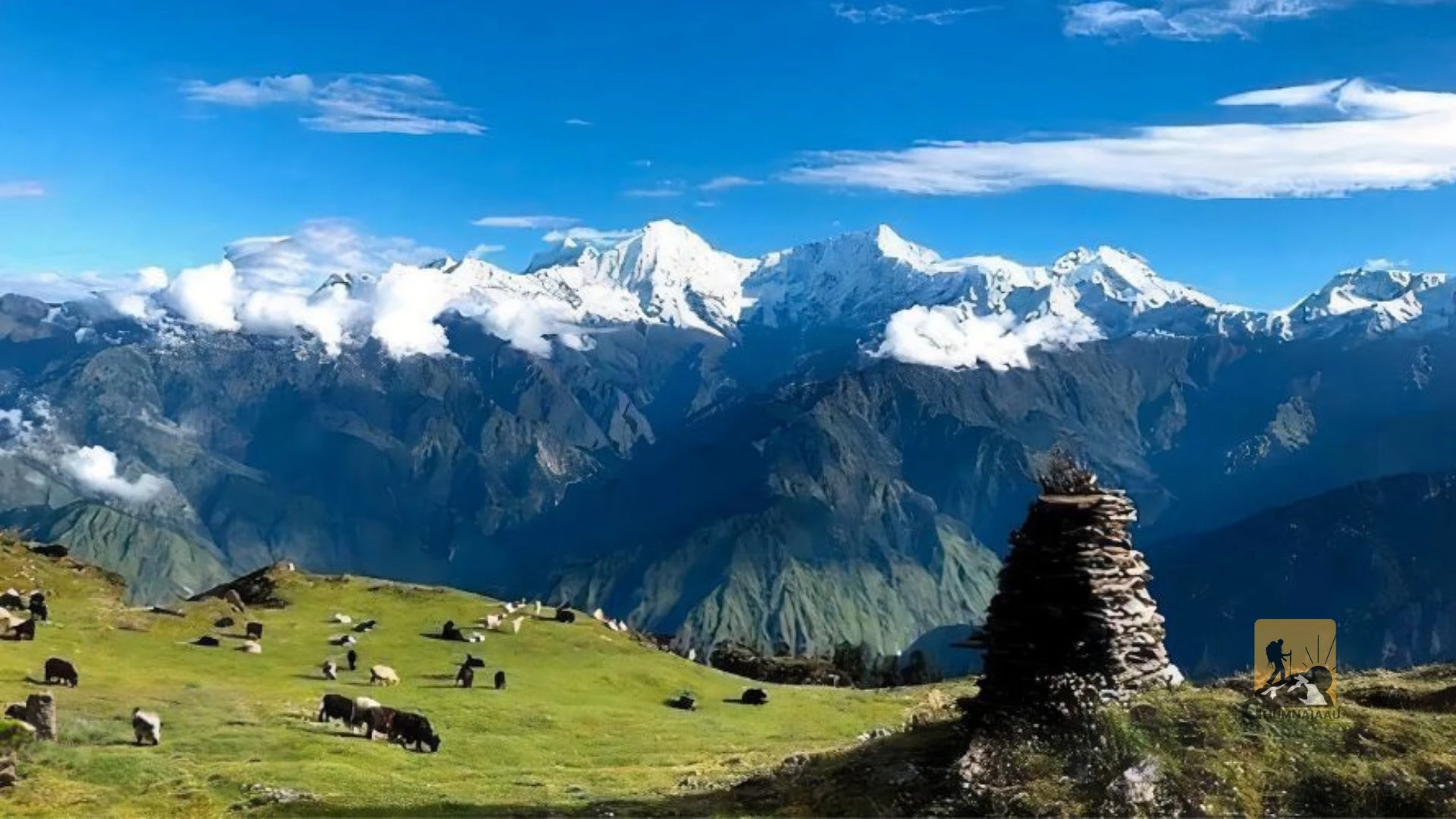
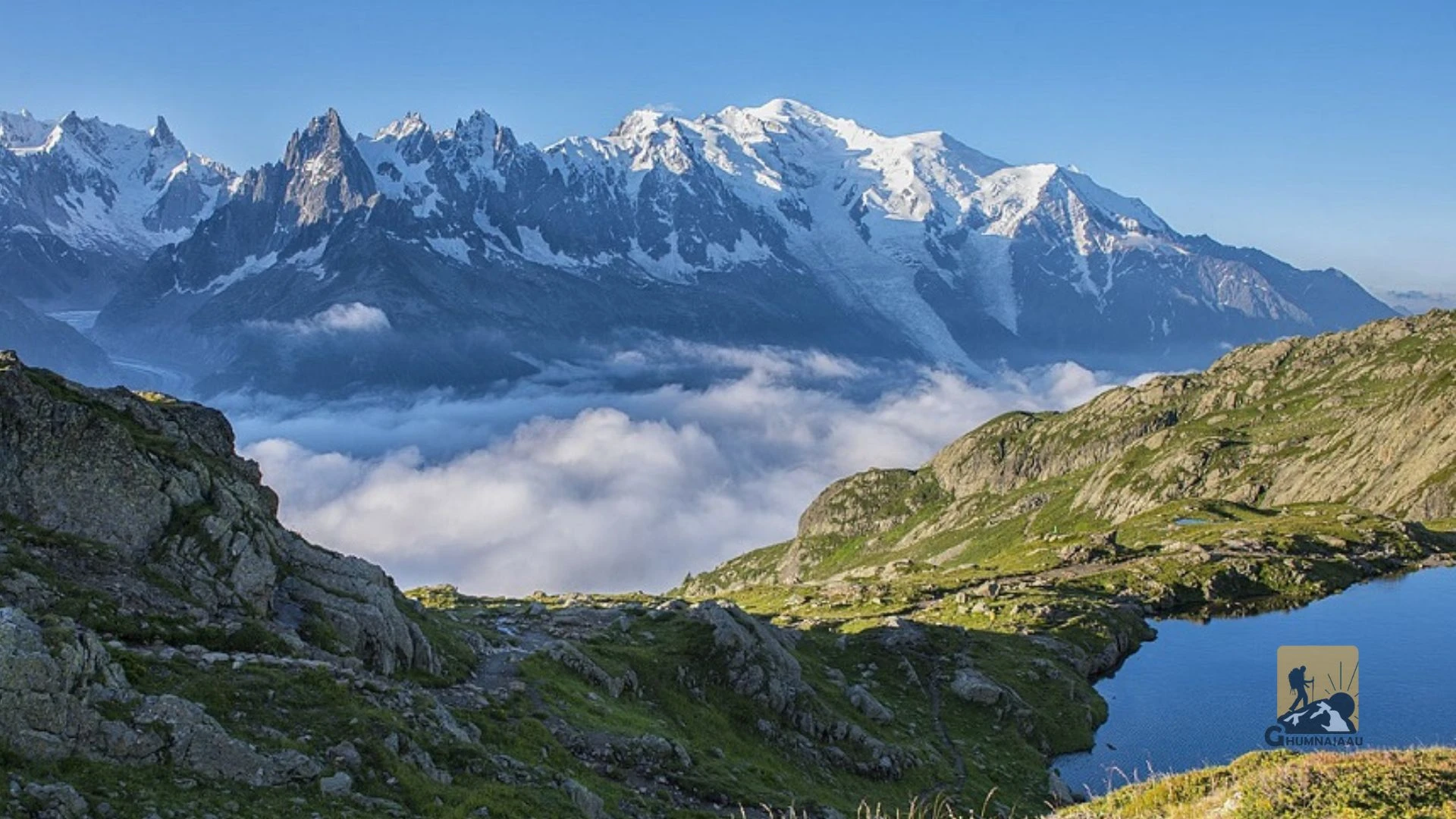
One of the major highlights is crossing the spectacular Pangsang La Pass (3,850m), which rewards trekkers with panoramic views of Ganesh Himal, Langtang, Paldor Peak, Manaslu, and even Annapurna ranges on clear days. Unlike commercial trekking routes, Ruby Valley remains peaceful and authentic. Trekkers stay in local homestays and community lodges, allowing meaningful interactions with Tamang, Gurung, and Ghale communities. Traditional lifestyles, Buddhist monasteries, prayer flags, local dances, and home-cooked organic meals provide a deep cultural experience.
The trail also features natural hot springs, sacred lakes like Ganesh Kunda, Seto Kunda, and Kalo Kunda, as well as rich biodiversity including rhododendron forests, Himalayan birds, langurs, and medicinal herbs. Ruby Valley Trek perfectly blends adventure, culture, spirituality, and untouched Himalayan beauty.
The Ruby Valley Trek is ideal for travelers seeking an authentic and less crowded trekking experience in Nepal. Unlike Everest or Annapurna, this trail offers peaceful mountain paths, genuine cultural encounters, and untouched natural beauty.
What makes this trek special is its unique combination of:
It is the perfect trek for nature lovers, photographers, cultural explorers, and adventure seekers looking for a meaningful Himalayan journey.
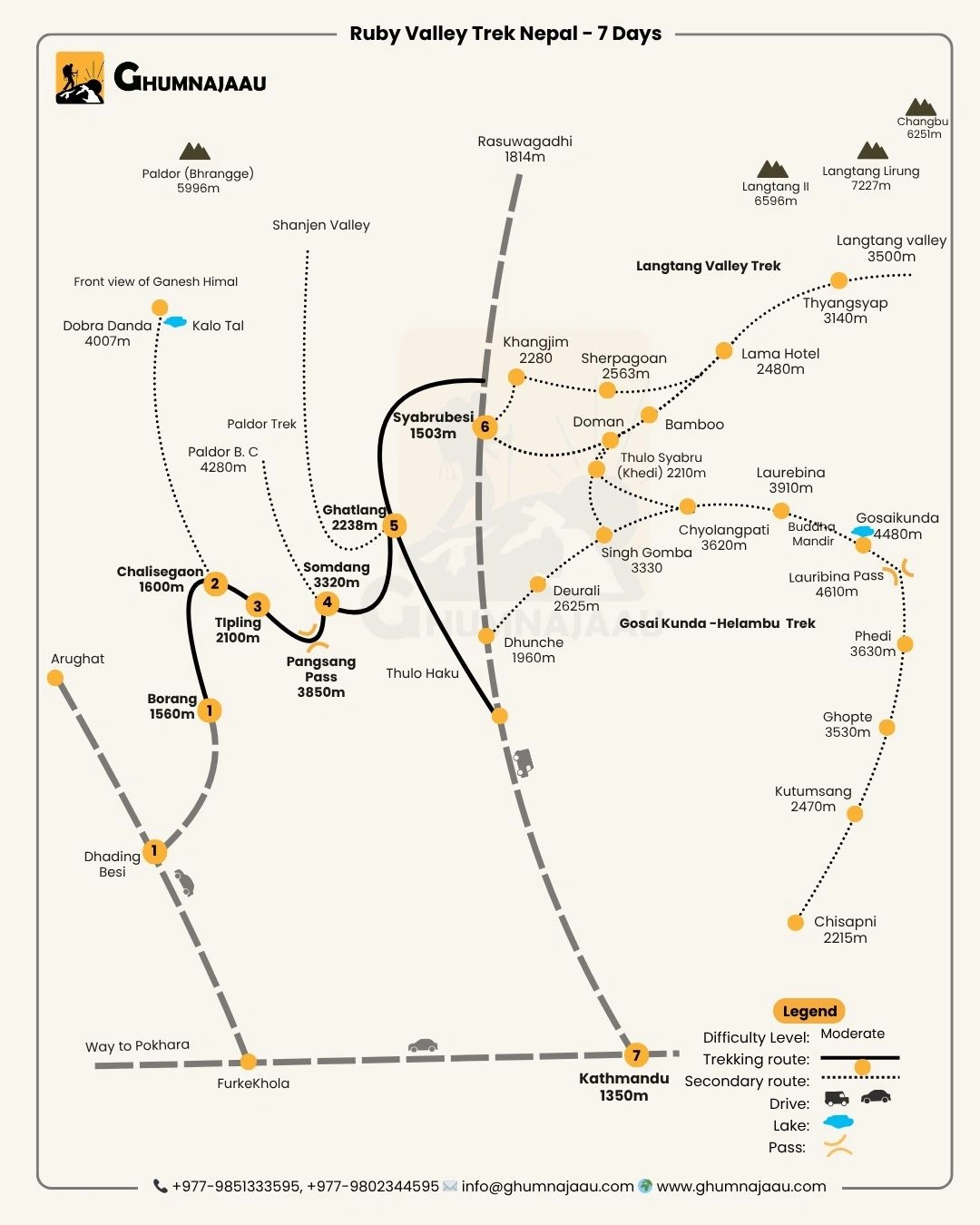
Day 01: Kathmandu – Dhading Besi – Dundure Khola (1,000m / 3,280ft)/ 6–7 Hours
Day 02: Dundure Khola – Borang Village (1,500m / 4,921ft ) - 12 km/5 Hours
Day 03: Borang – Chalish Village (1,600m / 5,249ft) - 8 km/ 3–4 Hours
Day 04: Rest Day & Hot Spring Exploration (1,600m / 5,249ft)/ 2–3 Hours
Day 05: Chalish – Tipling (2,100m / 6,890ft) - 7 km/ 3–4 Hours
Day 06: Tipling – Pangsang Pass – Somdang (3,850m / 12,631ft (Highest Point) - 15 km/ 7–8 Hours
Day 07: Somdang – Gatlang ( 2,238m / 7,342ft) - 12 km/ 5–6 Hours
Day 08: Gatlang – Syabrubesi (1,503m / 4,931ft) - 14 km/ 5–6 Hours
Day 09: Syabrubesi – Kathmandu/ 8–9 Hours
Spring (March to May)
Spring is one of the best seasons for the Ruby Valley Trek. Rhododendron forests bloom beautifully, temperatures remain pleasant, and mountain views are crystal clear.
Autumn (September to November)
Autumn offers stable weather, excellent visibility, and comfortable trekking conditions. This is the most popular trekking season in Nepal.
Winter (December to February)
Winter brings cold temperatures at higher elevations but rewards trekkers with peaceful trails and snowy mountain scenery.
Monsoon (June to August)
The landscape becomes lush and green during monsoon, but trails can be slippery with occasional leeches and rainfall.
Accommodation during the Ruby Valley Trek mainly consists of local homestays and basic mountain lodges. Rooms are simple, clean, and comfortable, offering a genuine local experience.
Meals typically include:
Facilities along the route are basic but improving. Electricity for charging devices is available in most villages, sometimes with additional charges. Limited Wi-Fi and mobile network coverage are available in some areas.
The homestay experience is one of the biggest highlights, allowing trekkers to enjoy authentic hospitality and organic local food.
The Ruby Valley region is home to diverse ethnic communities including Tamang, Gurung, Ghale, and Dalit groups. Their rich traditions, colorful festivals, Buddhist spirituality, and warm hospitality create a unique cultural atmosphere.
Trekkers can explore:
Festivals such as Lhosar and Buddha Jayanti offer incredible opportunities to witness local traditions and spiritual celebrations.
The trek begins with a scenic drive from Kathmandu to Dhading Besi followed by a jeep ride to Dundure Khola, the trek starting point.
Transportation Breakdown
Private jeep transportation offers more comfort and flexibility, while local buses are budget-friendly options.
Discover Nepal’s hidden Himalayan paradise with the Ruby Valley Trek. Experience authentic village life, breathtaking mountain scenery, peaceful trails, and unforgettable cultural encounters in one incredible journey.
📩 Contact Ghumnajaau today for customized itineraries, group departures, and special trekking packages. Your Himalayan adventure begins here!
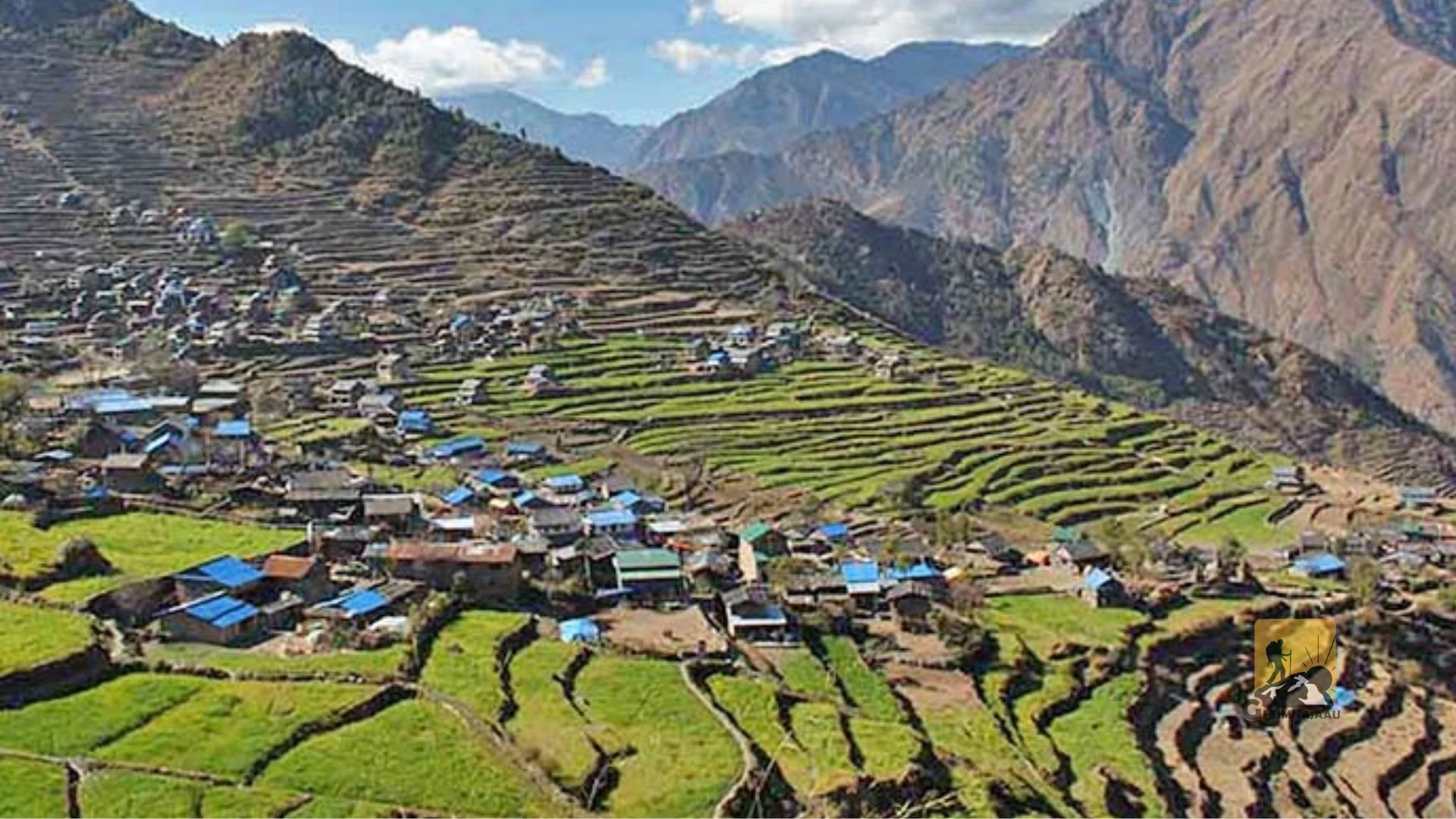
Your adventure begins with a scenic drive from Kathmandu through the lush Trishuli River valley, passing terraced fields, forested hills, and traditional towns. After approximately 4 hours, you reach Dhading Bensi, the district headquarters, where you transfer to a rugged jeep for a bumpy yet picturesque ride to Borang Village (1,500m).
Borang is a charming hillside settlement predominantly inhabited by the Tamang community, where the influence of Buddhism is visible through fluttering prayer flags and intricately carved mani walls. Upon arrival, settle into a local homestay, enjoy a home-cooked Nepali meal, and spend the evening immersed in village life. Listen to storytelling, experience traditional music and dance, and learn about the customs, rituals, and daily lifestyle of the local people.
This day allows trekkers to acclimatize to the region’s culture and environment before the journey begins on the trails the following day, offering a gentle introduction to the Rubi Valley’s natural beauty and rich heritage without any trekking.
The trail meanders through rhododendron and pine forests, providing habitats for langurs, pheasants, and Himalayan monals. Reach Chalish Village, a culturally diverse settlement of Gurung, Tamang, and Dalit communities. Spend the evening in a homestay, observing local architecture, traditions, and sampling regional delicacies.
A well-deserved rest day. Visit natural hot springs near Chalish for therapeutic relaxation. Explore the village, interact with locals, visit ancient monasteries, and learn about their agricultural practices and spiritual traditions. Nature enthusiasts can enjoy birdwatching and medicinal plant observation.
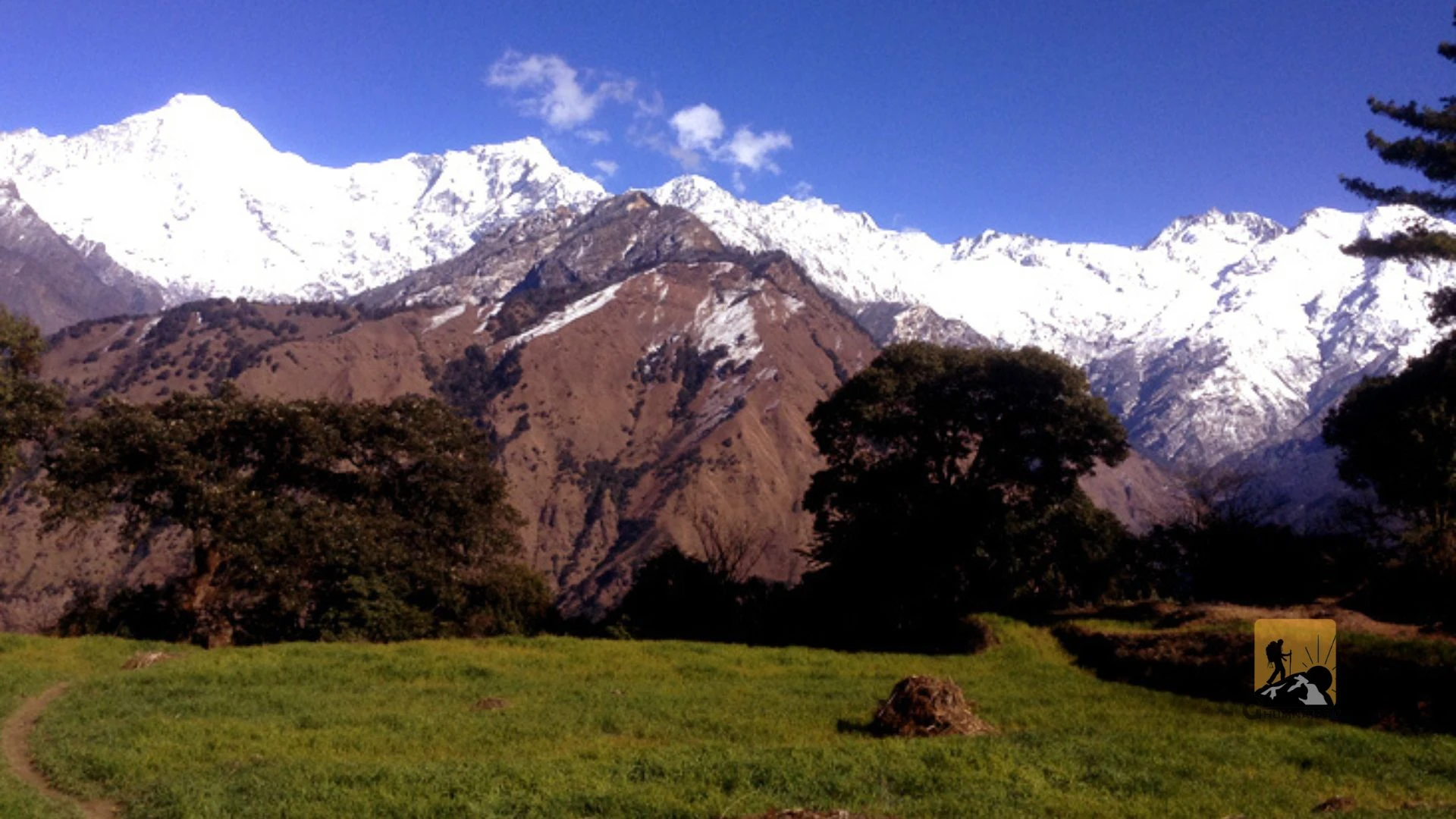
Continue through alpine meadows, Buddhist chortens, and panoramic views of Ganesh Himal. Tipling is home to Tamang and Ghale communities with vibrant monasteries. If a festival coincides, witness colorful rituals and dances. Overnight in a homestay engaging with villagers and their spiritual lifestyle.
A challenging yet rewarding day. Ascend to Pangsang Pass (3,850m), offering breathtaking views of Langtang, Ganesh Himal, Paldor Peak, Manaslu, and Annapurna ranges. Descend to Somdang Village, known for copper mines and historical trade routes. Enjoy a lodge stay and evening cultural immersion.
Descend through pine and rhododendron forests to Gatlang, a traditional Tamang village on the hillside. Explore stone houses, monasteries, and large chortens, and participate in local customs like weaving and handicrafts. Overnight in a lodge with authentic Tamang cuisine.
Final leg descends through terraced fields, bamboo groves, and small hamlets, with panoramic views of the Langtang Himal. Arrive at Syabrubesi, a cultural melting pot and gateway to the Langtang region. Explore the town, local markets, and relax in a cozy lodge.
After breakfast, drive back to Kathmandu through Dhunche and Trisuli, enjoying scenic landscapes along the Trishuli River and terraced hills. Arrival in Kathmandu marks the end of your Rubi Valley Trek, leaving you with rich memories of culture, nature, and Himalayan adventure.
The trek is moderate and suitable for trekkers with average physical fitness and some hiking experience.
The standard itinerary takes 7–9 days depending on the route and pace.
Pangsang La Pass at 3,850 meters (12,631 feet).
Yes, hiring a licensed guide is highly recommended for navigation, safety, and cultural insights.
Trekkers stay in local homestays and basic teahouses or lodges.
The risk is relatively low compared to higher Himalayan treks, but proper acclimatization is still important.
Trekkers generally require the Langtang National Park Permit and TIMS Card.
Limited Wi-Fi and mobile networks are available in some villages but may be unreliable.
Spring (March–May) and Autumn (September–November) are the best trekking seasons.
Yes, beginners with good physical fitness and proper preparation can complete this trek successfully.