
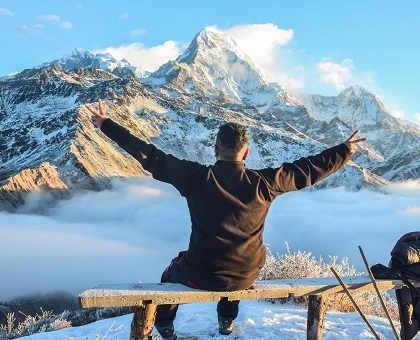
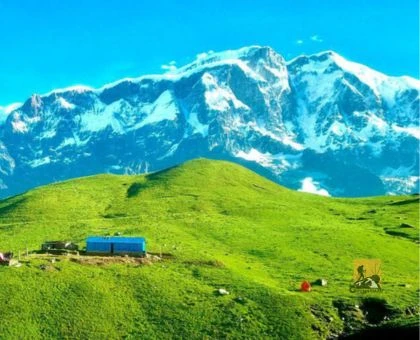

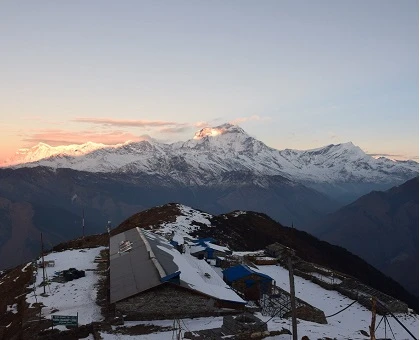
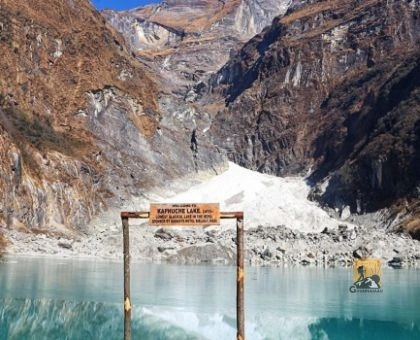




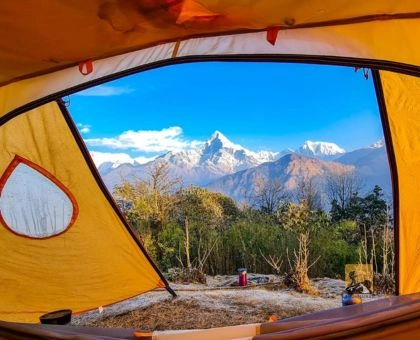
The Annapurna Circuit Trek is one of Nepal’s most iconic Himalayan journeys, where every step brings a new landscape, culture, and emotion. From lush green valleys to high-altitude deserts and the legendary Thorong La Pass, this trek offers a life-changing experience through ancient villages, sacred monasteries, and towering peaks. It’s not just a trek. It’s a journey through the heart of the Himalayas that stays with you forever
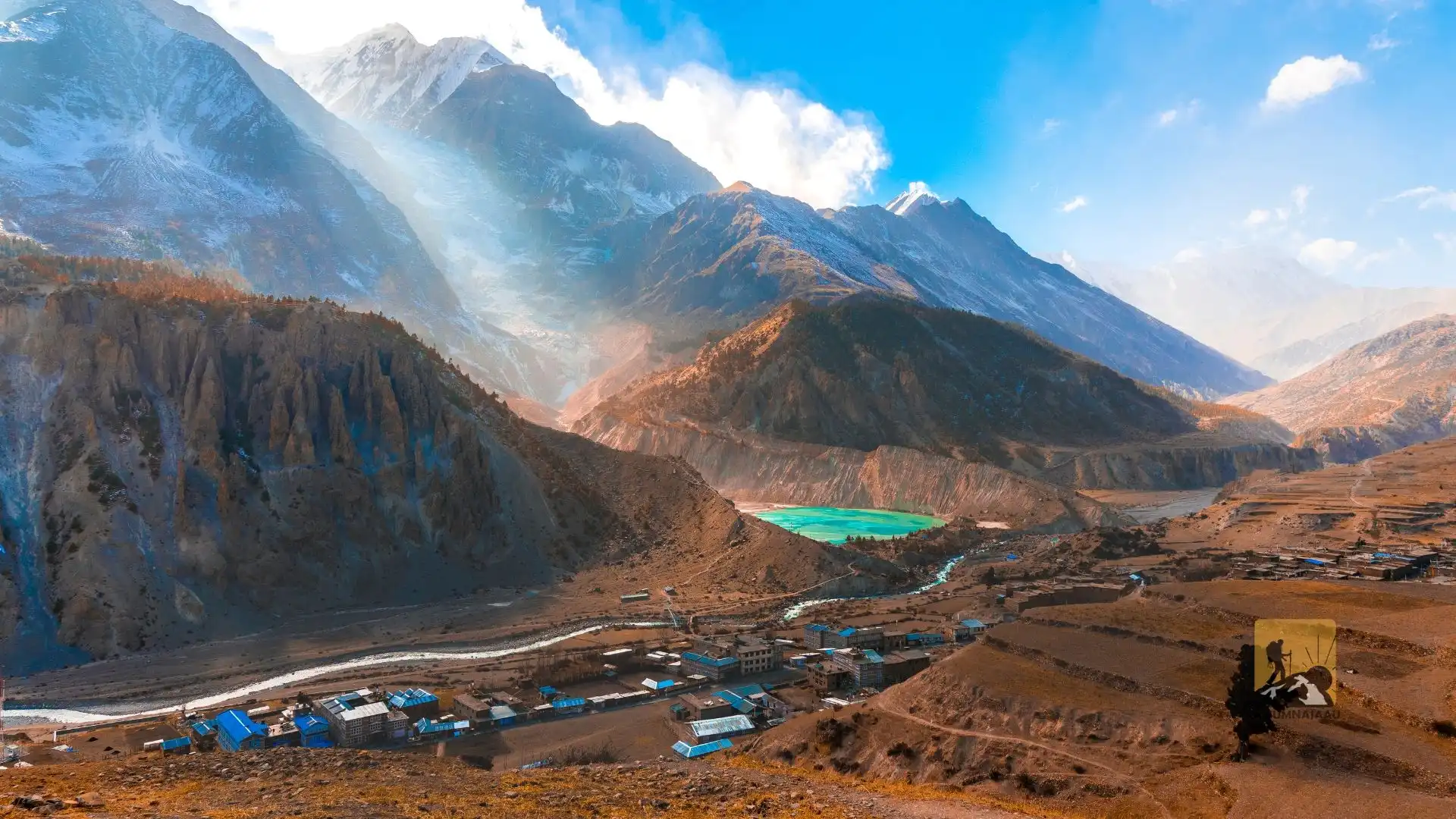
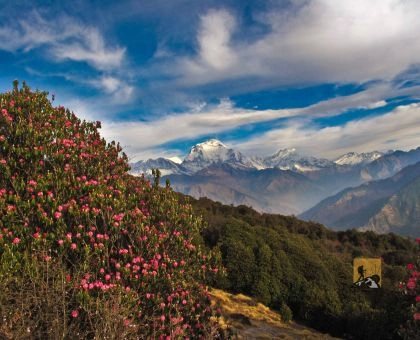
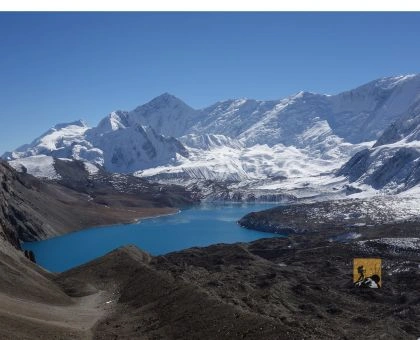
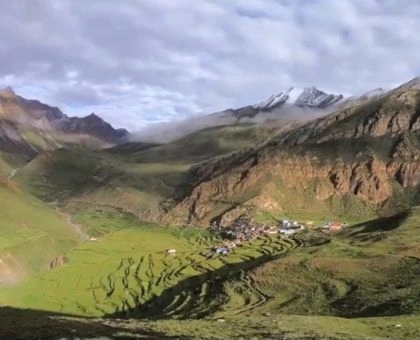
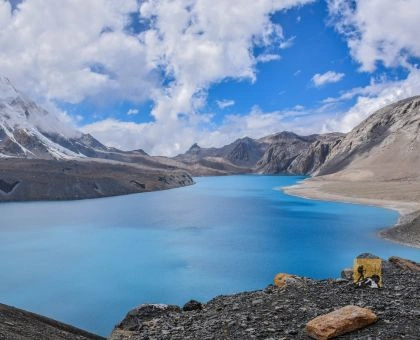
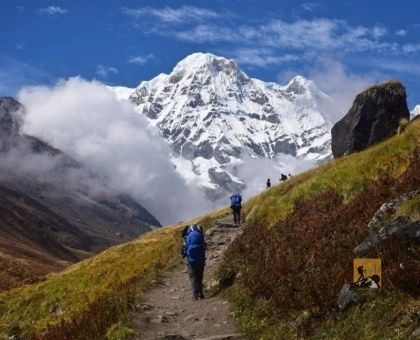
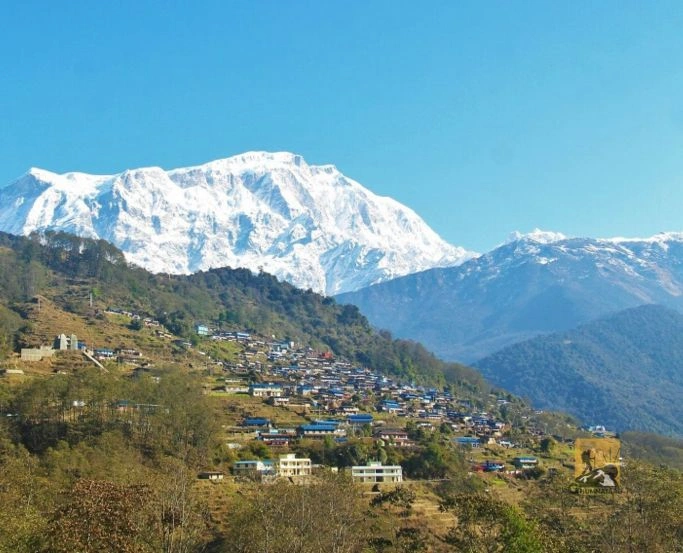
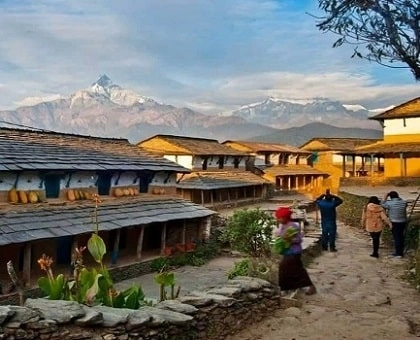
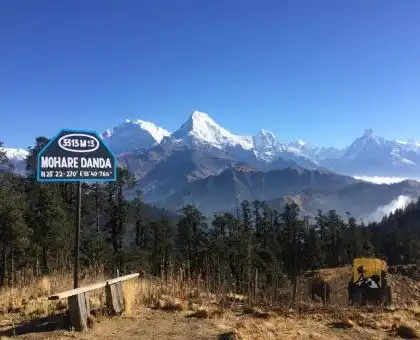
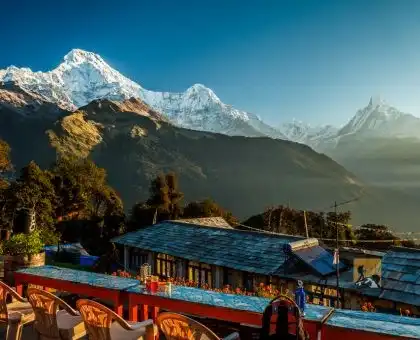
The Annapurna Circuit Trek is a diverse Himalayan adventure that circles the Annapurna massif, offering one of the most dramatic landscape transitions in the world. Starting from subtropical forests and terraced farmlands, the trail gradually ascends into alpine valleys and finally reaches the arid Tibetan-like landscapes of Mustang.Trekkers experience breathtaking views of peaks above 7,000 meters including Annapurna II, Dhaulagiri, Manaslu, and Pisang Peak. The journey also passes through culturally rich villages where Buddhist monasteries, prayer flags, and ancient traditions remain untouched by modern life.
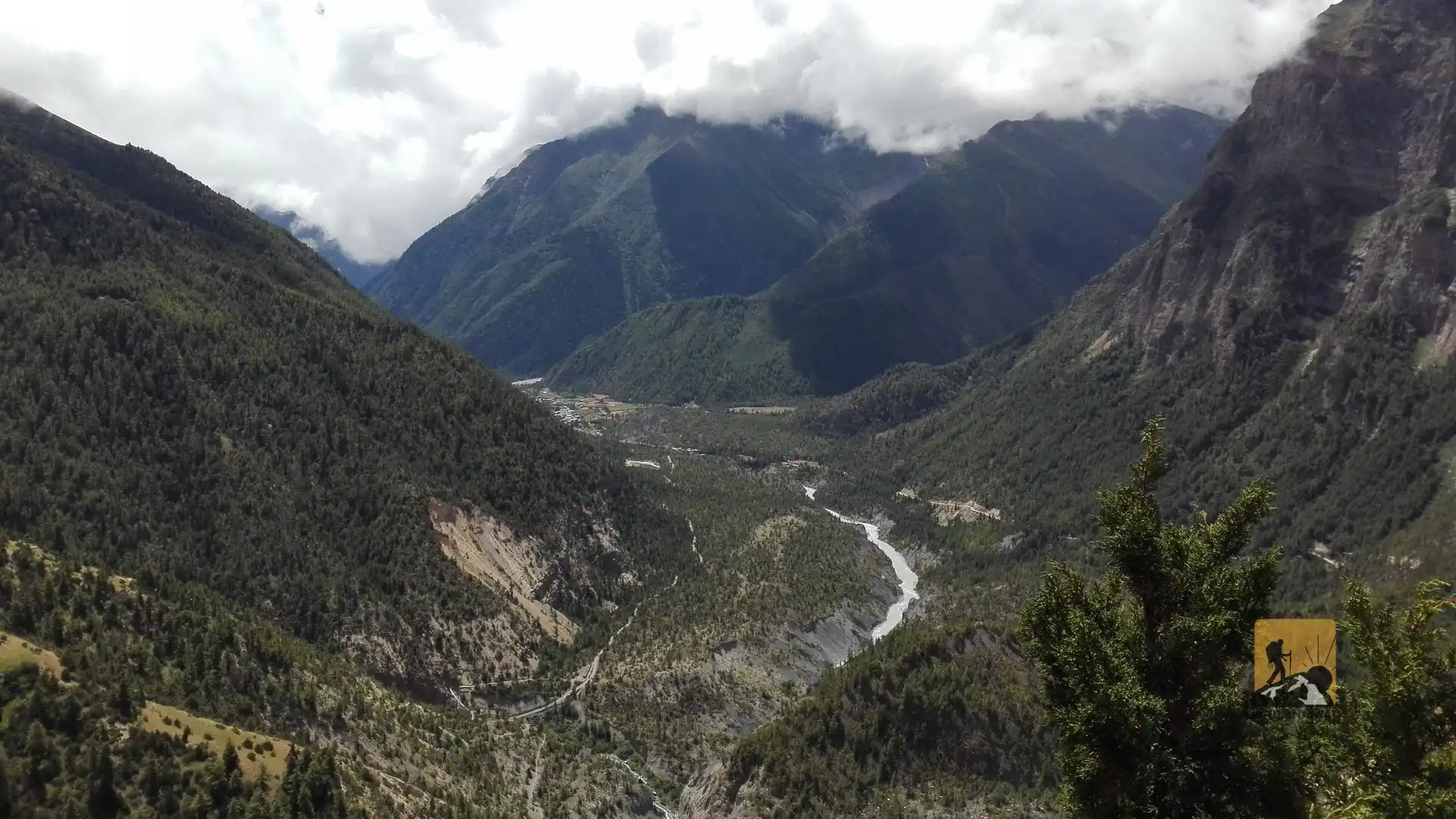
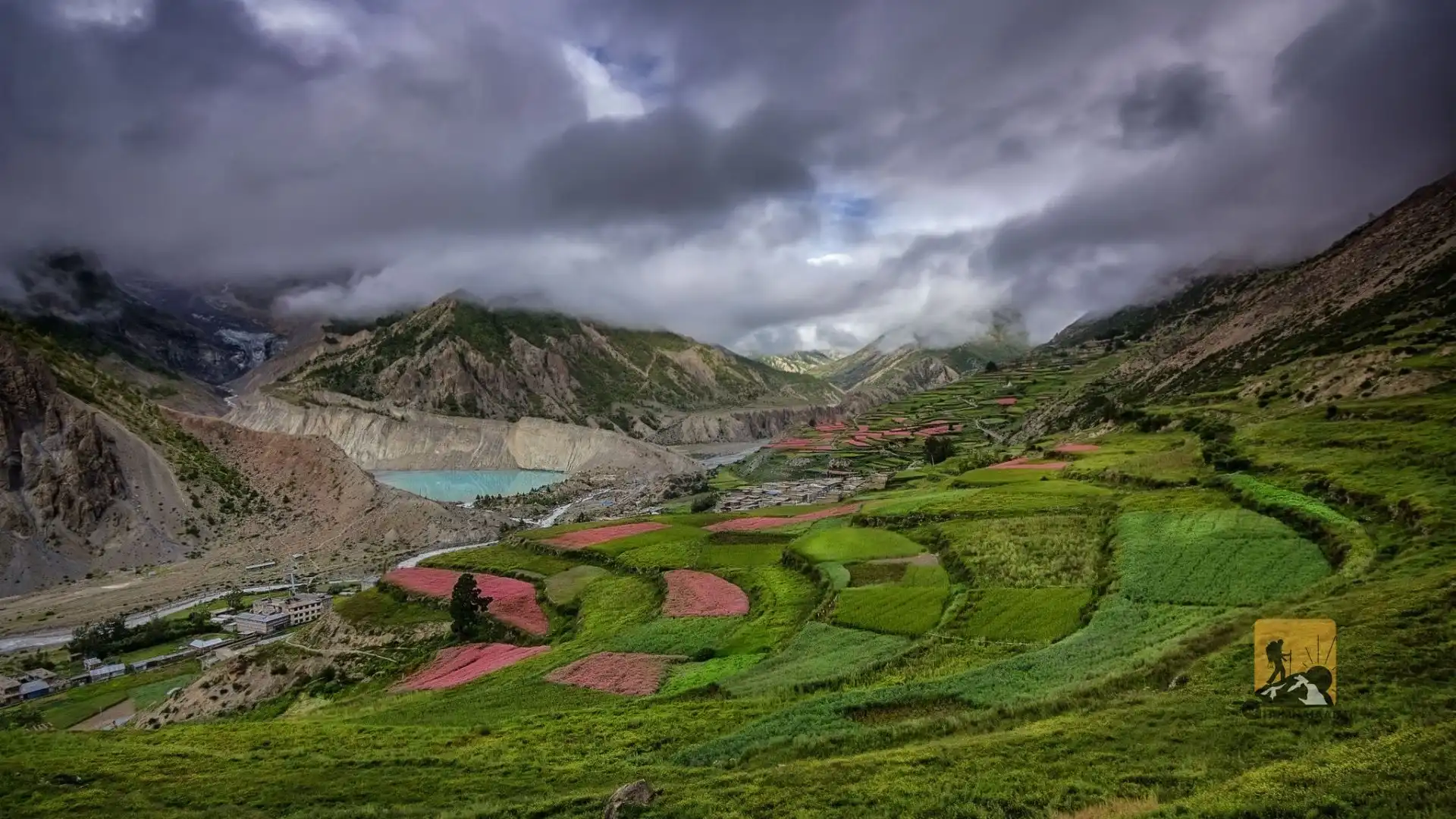
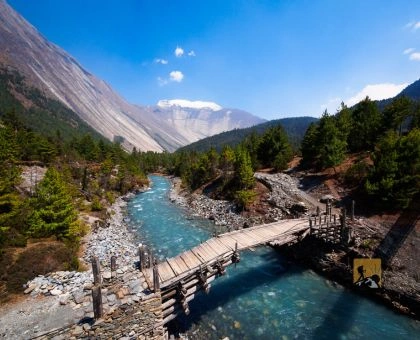
Every day brings a new environment—lush forests, roaring rivers, suspension bridges, glacial valleys, and high mountain deserts—making this trek a perfect blend of adventure, culture, and natural beauty.
The Annapurna Circuit Trek stands out because of its unmatched diversity. Unlike other Himalayan treks that stay in one valley or ecosystem, this route takes you through multiple climatic zones in a single journey.
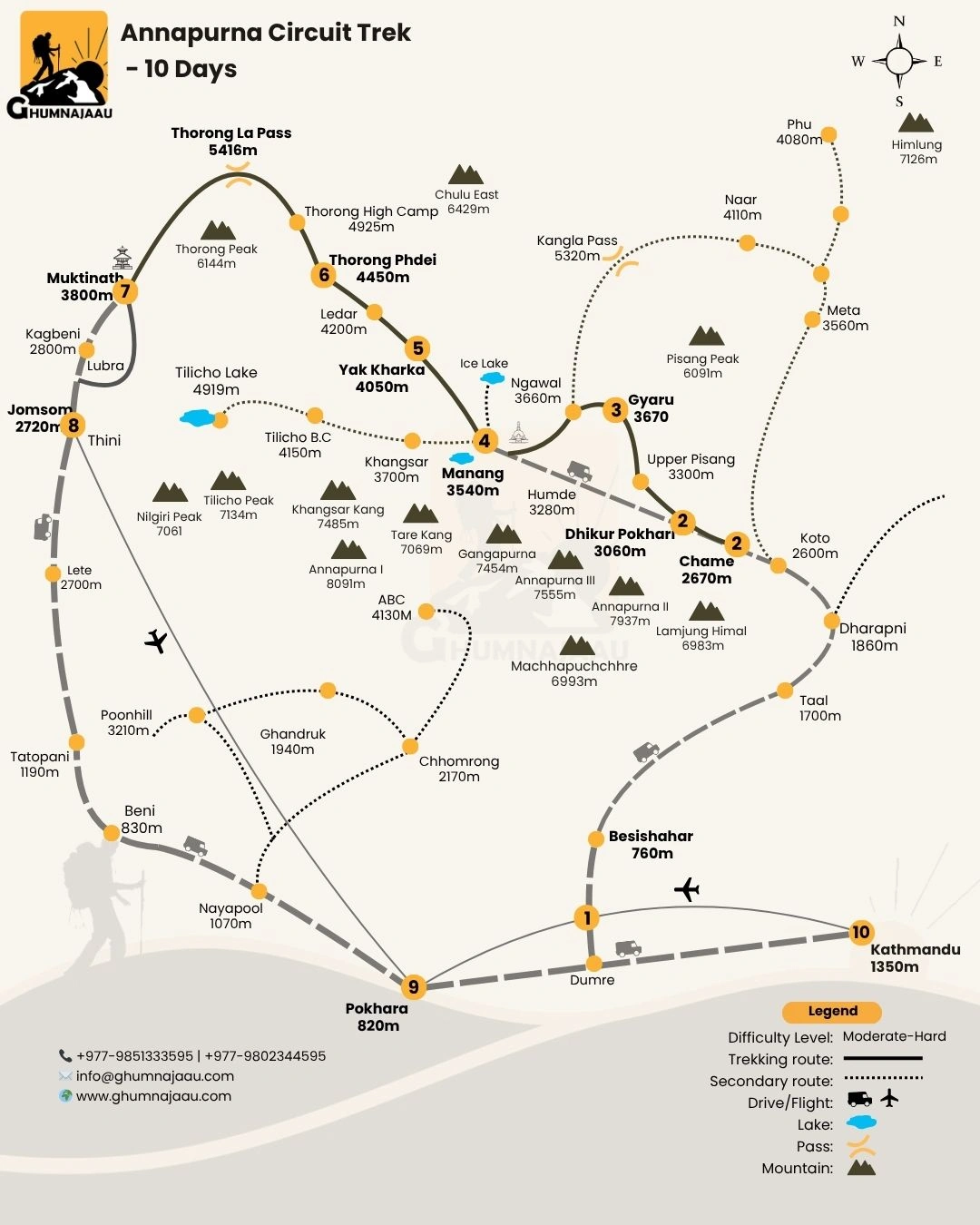
Day 01: Drive Kathmandu to Besisahar (760m)/ 5 hrs
Day 02: Drive Besisahar to Chame (2,670m) & Trek to Dhikur Pokhara (3060m)/ 4+ 3 hrs
Day 03: Trek Dhikur Pokhari to Gyaru village (3670m)/ 5-6 hrs
Day 04: Trek Gyaru vilalg to Ngwal (3,657m) & Manang(3540m)/ 4-5 hrs
Day 05: Trek Manang to Yak Kharka (4030m)/ 4-5 hrs
Day 06: Trek Yak Kharka to Thorong Phedi (4,450m)/ 3-4 hrs
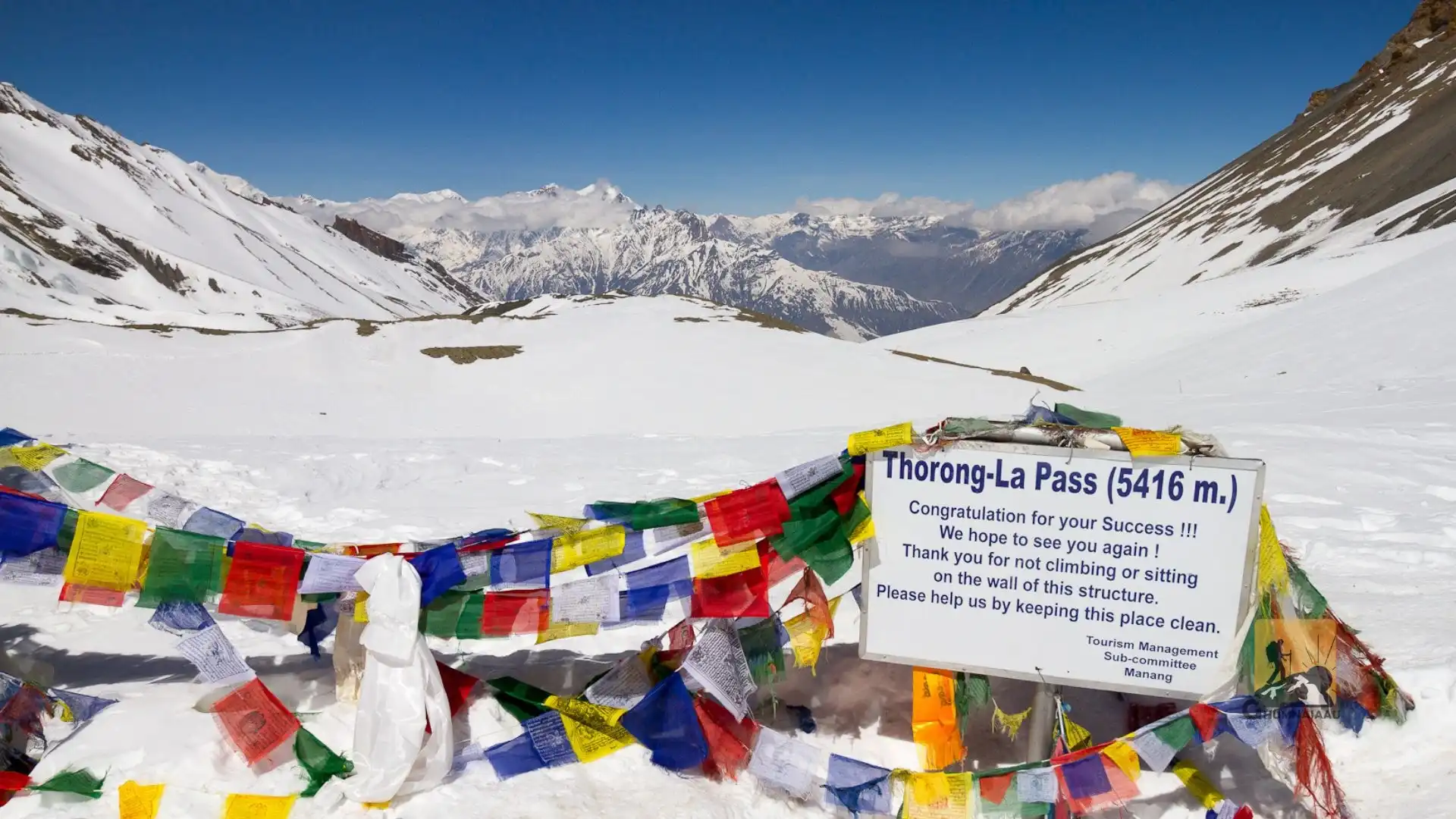
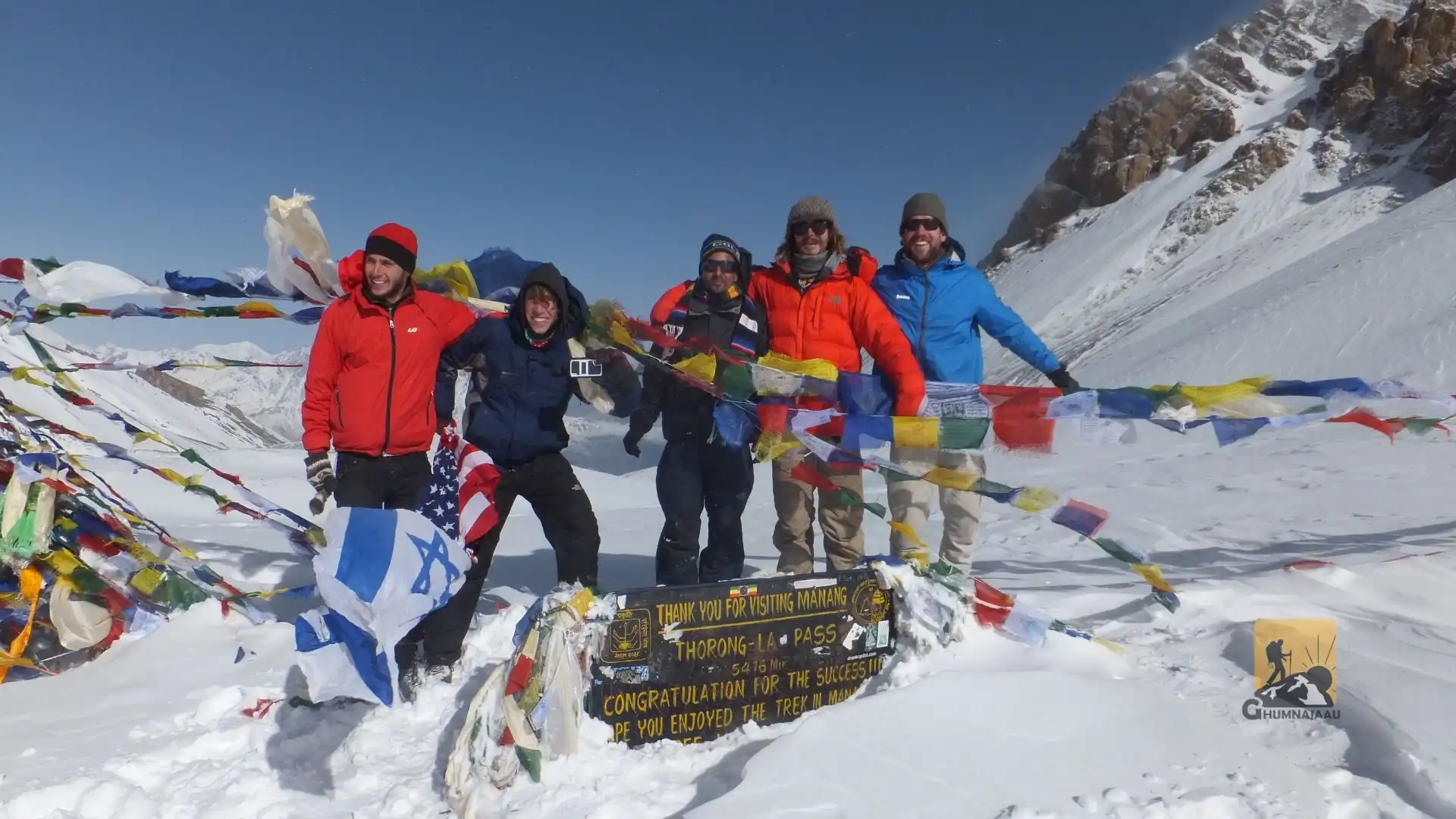
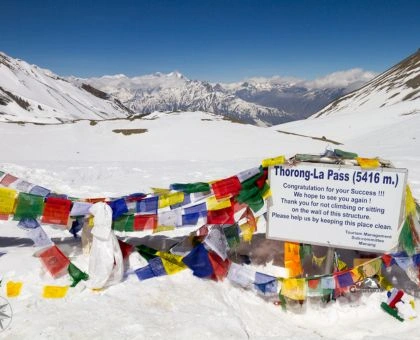
Day 07: Trek Thorong Phedi to Thorong La (5,416m) & Muktinath (3800m)/7–8 hrs
Day 08: Trek Muktinath to Jomsom (2720m)/ via Lubra 5-6 hours
Day 09: Flight/Drive Jomsom to Pokhara (950m)/ 15min flight or 6 hrs' drive
Day 10: Drive/Flight Pokhara to Kathandu (1350m)/ 25min flight or 6 hrs' drive.
Spring (March–May): Warm weather, blooming rhododendrons, and clear mountain views.
Autumn (September–November): Best trekking season with stable weather and crystal-clear visibility.
Winter (Dec–Feb): Cold but peaceful trails; Thorong La may be snow-covered.
Monsoon (June–Aug): Rainy, slippery trails in lower regions, but Mustang remains relatively dry.
The Annapurna Circuit Trek is moderate to challenging.
Proper acclimatization and pacing are essential for a safe journey.
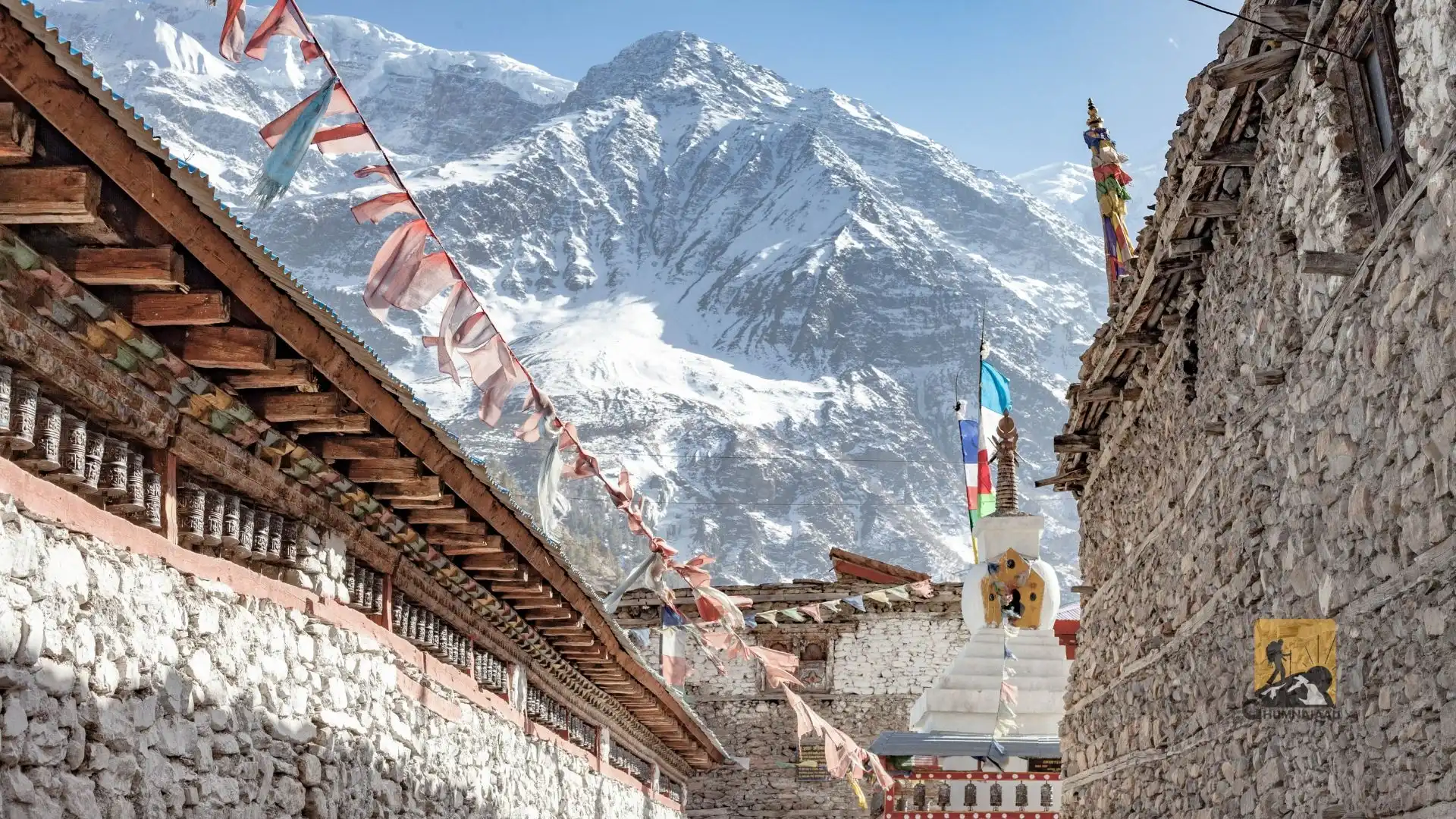
The trek passes through deeply cultural Himalayan communities:
This trek is a living museum of Nepal’s mountain culture.
Let Annapurna Circuit Trek transform your spirit and challenge your limits.
📩 Contact us today to customize your itinerary
📞 Book your trek with Ghumnajaau.com
🏔️ Your Himalayan journey begins here!
Your trekking guide will pick you up early in the morning for a scenic drive to Besisahar. The road winds along rivers, terraced fields, and villages with distant views of snowcapped peaks. Depending on timing, you can either overnight in Besisahar or continue to Syange/Jagat for a shorter drive tomorrow.
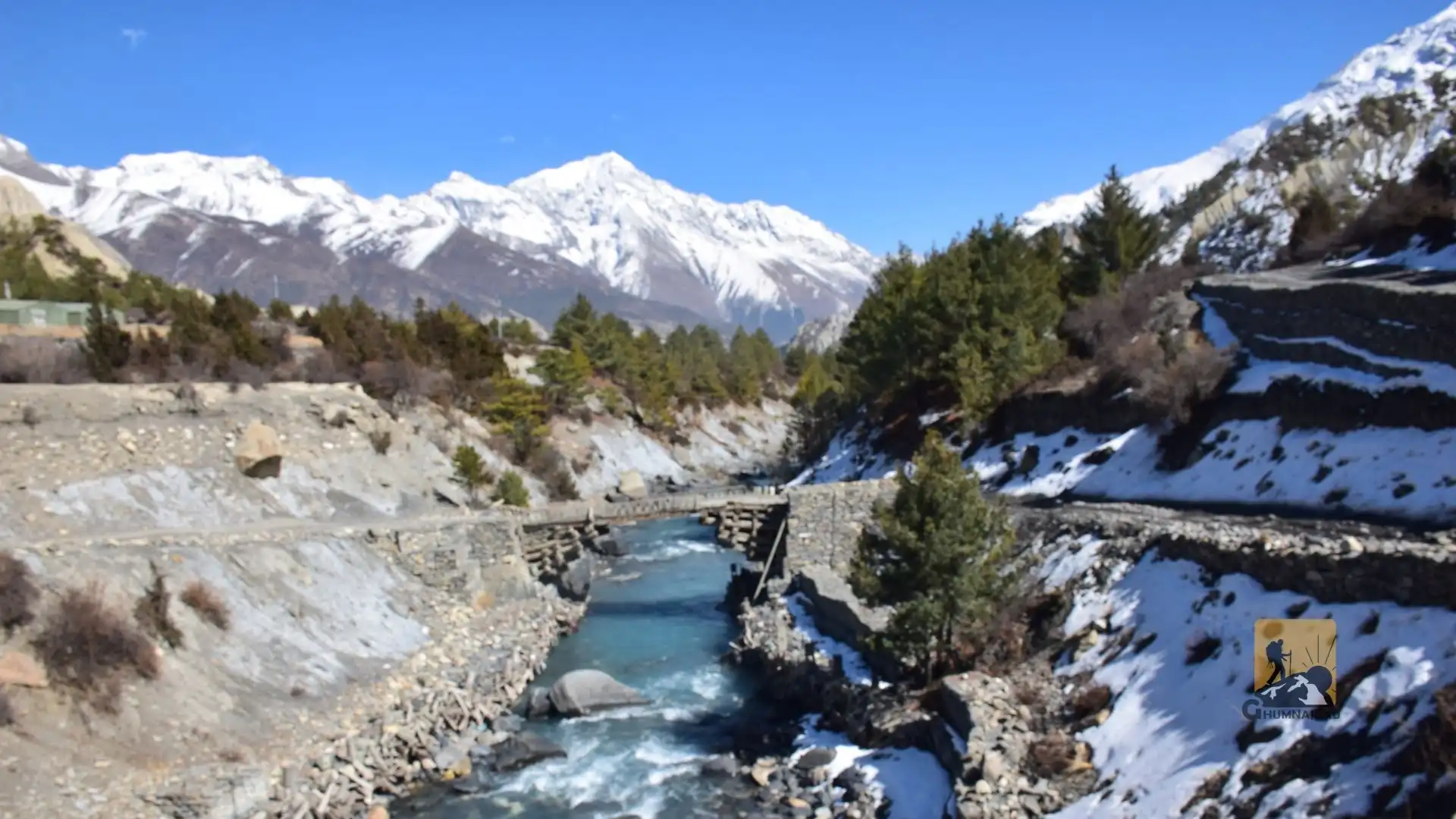
Drive by jeep or bus through charming villages like Nagdi, Bhulbhule, Chamche, Dharapani, Bagarchhap, and Timang before reaching Chame, the district headquarters of Manang. Enjoy magnificent views of Annapurna II, Lamjung Himal, and Manaslu. From Chame, trek along the Marsyangdi River, crossing pine forests and suspension bridges before gently climbing to Dhikur Pokhari.
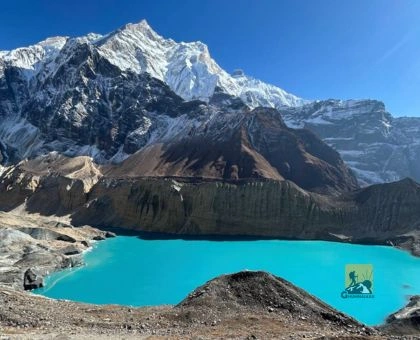
The trail gradually ascends through pine and juniper forests. Take a break at the serene Green Lake before continuing to Upper Pisang. Climb further to Ghyaru Village, where 360° views of Annapurna II, Annapurna IV, Gangapurna, Glacier Dome, Lamjung Himal, and Pisang Peak await.
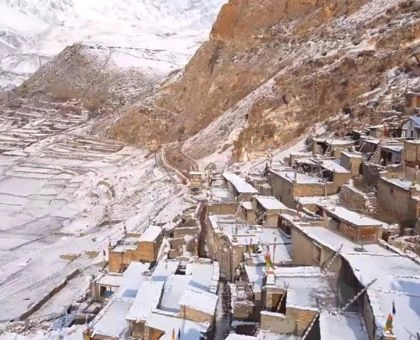
The trail winds past Ngawal Village and its beautiful monastery before gradually descending into the wide Manang Valley. Arrive in Manang Village, a lively settlement with teahouses, bakeries, and stunning valley views.
A shorter acclimatization day. The path climbs steadily past alpine meadows where yaks and horses graze. Along the way, you may spot blue sheep. Overnight in Yak Kharka or Ledar.
Continue through pastures and rocky terrain, crossing a suspension bridge and passing Mani walls before ascending to Thorong Phedi, the last stop before Thorong La Pass. Superb views of Gundang, Syagang, Thorong Peak, and Khatungkan surround the trail.
Start before sunrise for the challenging climb to Thorong La Pass (5,416m), the highest point of the trek, decorated with prayer flags and offering jaw-dropping Himalayan panoramas. Descend steeply into Mustang, arriving at the sacred pilgrimage site of Muktinath, with its famous 108 water spouts and eternal flame. After exploration, drive (45–60 mins) to Jomsom (2,710m).
Meals: BLD | Accommodation: Tea House
Morning visit to Muktinath Temple and a local Gompa before descending toward Kagbeni, the gateway to Upper Mustang, or via Lubra Village for a quieter route. Walk along the Kali Gandaki gorge, the world’s deepest, with a barren Tibetan-like landscape. Option to explore Marpha, the apple capital of Nepal, famous for cider and brandy. Overnight in Jomsom.
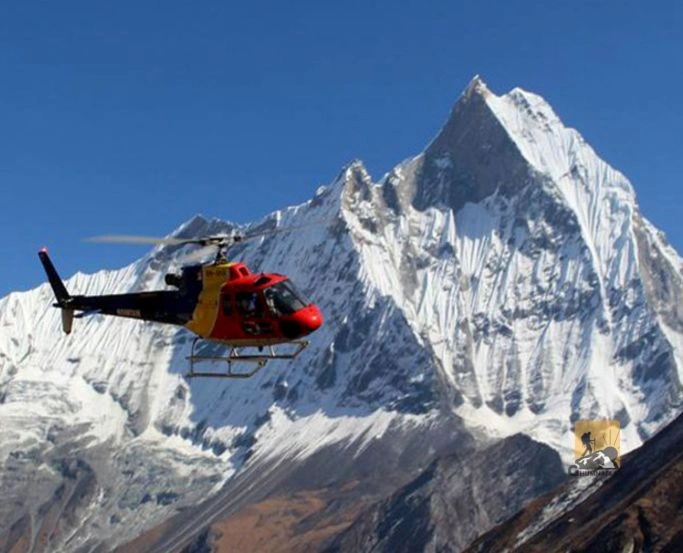
Take a short mountain flight above the Kali Gandaki Gorge to Pokhara, or drive along the rough road. Enjoy a relaxing evening in Pokhara’s lakeside town.
After breakfast drive/flgiht to Kathandu.
It is a moderate to challenging trek requiring good fitness and preparation but no technical climbing.
Thorong La Pass at 5,416 meters (17,769 ft).
No, beginners with good fitness can complete it successfully.
Yes, but proper acclimatization and hydration significantly reduce risk.
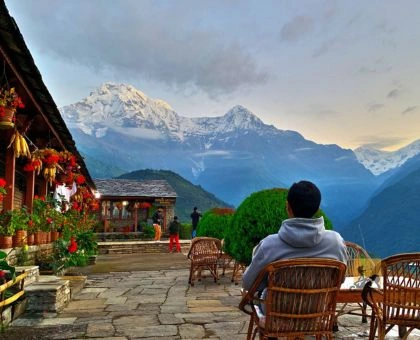
Tea houses with basic rooms, shared bathrooms, and warm meals.
Yes, but limited and mostly available in lower villages.
TIMS card and ACAP permit are required for this trek.
Spring and Autumn are the best seasons.
Yes, but charging may cost extra in higher villages.
Highly recommended for safety, navigation, and cultural insight.