The Everest Base Camp Trek via Road offers a unique and adventurous alternative to the classic Lukla flight route. The journey begins with a scenic drive from Kathmandu to Salleri and Kharikhola, allowing trekkers to experience rural Nepal, terraced fields, rivers, and remote mountain villages before entering the Everest region.
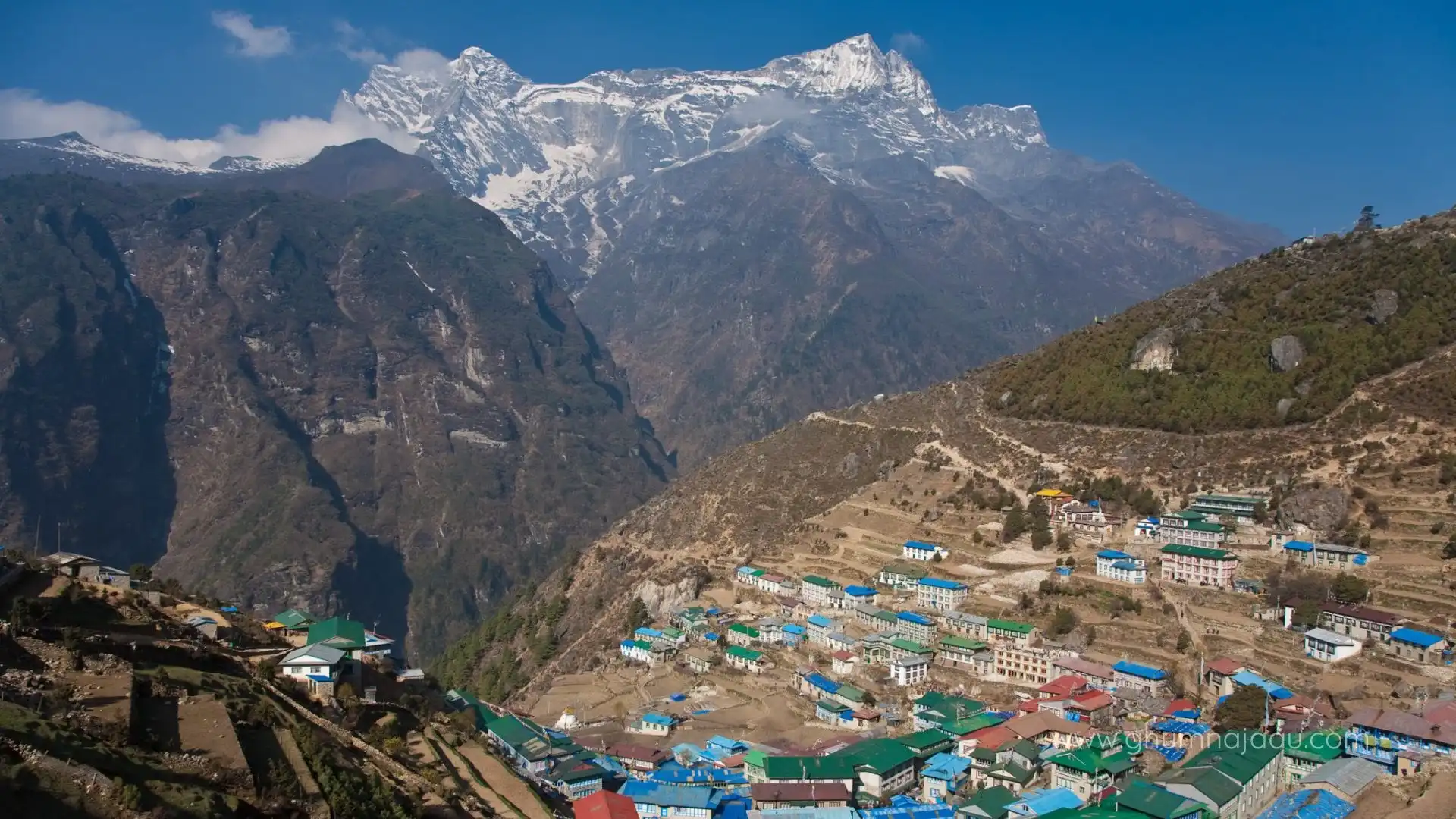
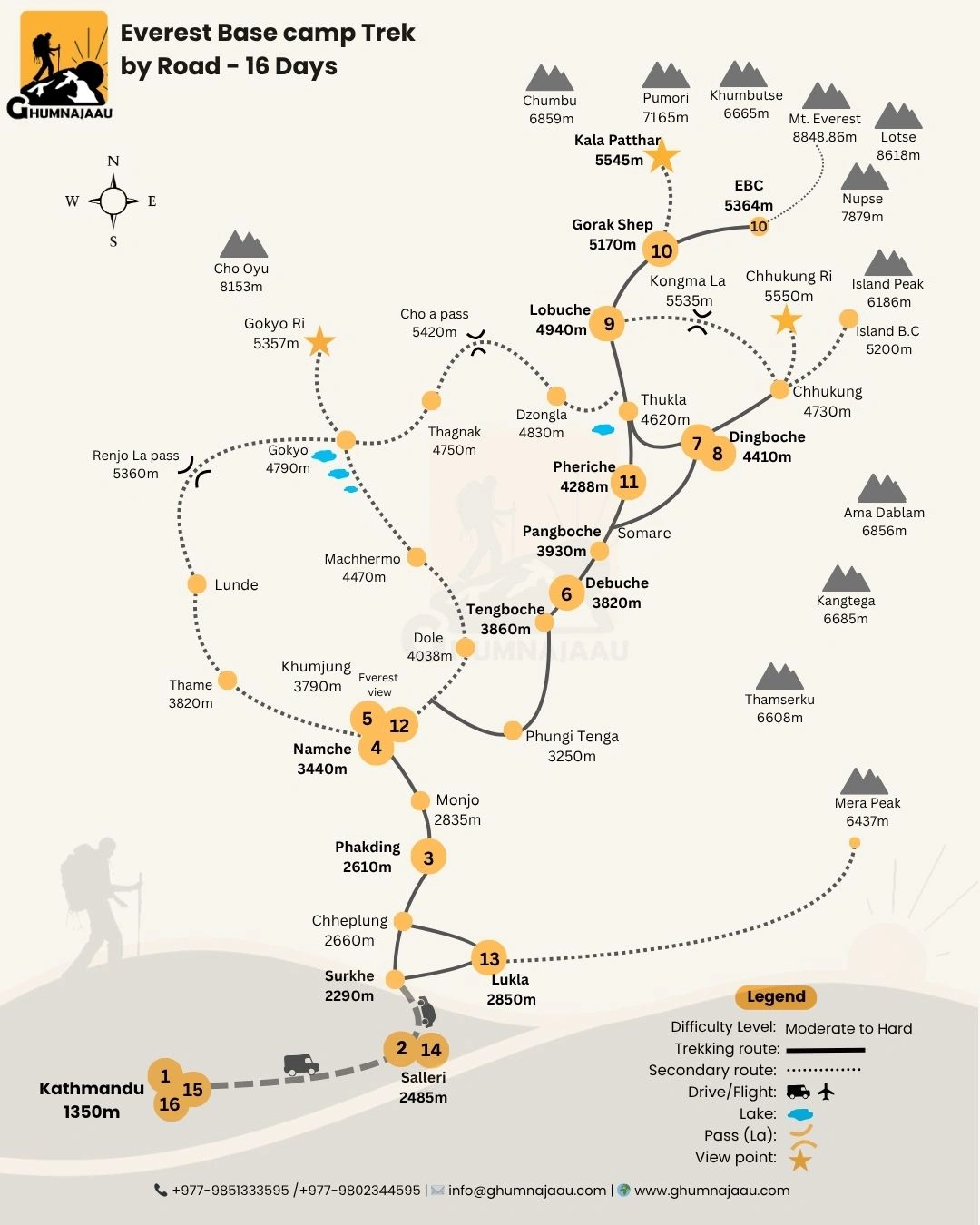
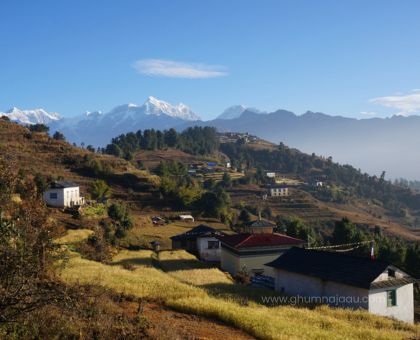
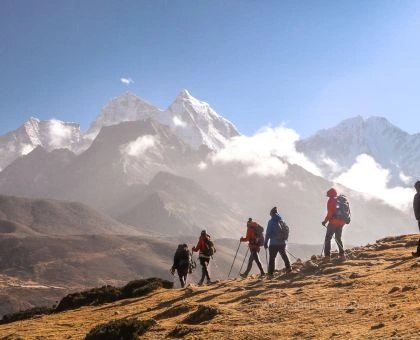
The trekking trail gradually ascends through dense rhododendron and pine forests, crossing suspension bridges over the Dudh Koshi River and passing through traditional Sherpa settlements such as Paiya, Phakding, Namche Bazaar, Tengboche, Dingboche, Lobuche, and Gorakshep. Each village offers unique cultural experiences, Buddhist monasteries, local teahouses, and warm hospitality.
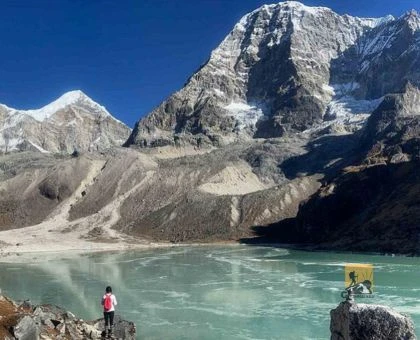
One of the most rewarding parts of the trek is acclimatization in Namche Bazaar and Dingboche, where trekkers enjoy spectacular Himalayan panoramas and short hikes to viewpoints such as Syangboche, Khumjung, and Nangkar Tsang Peak.
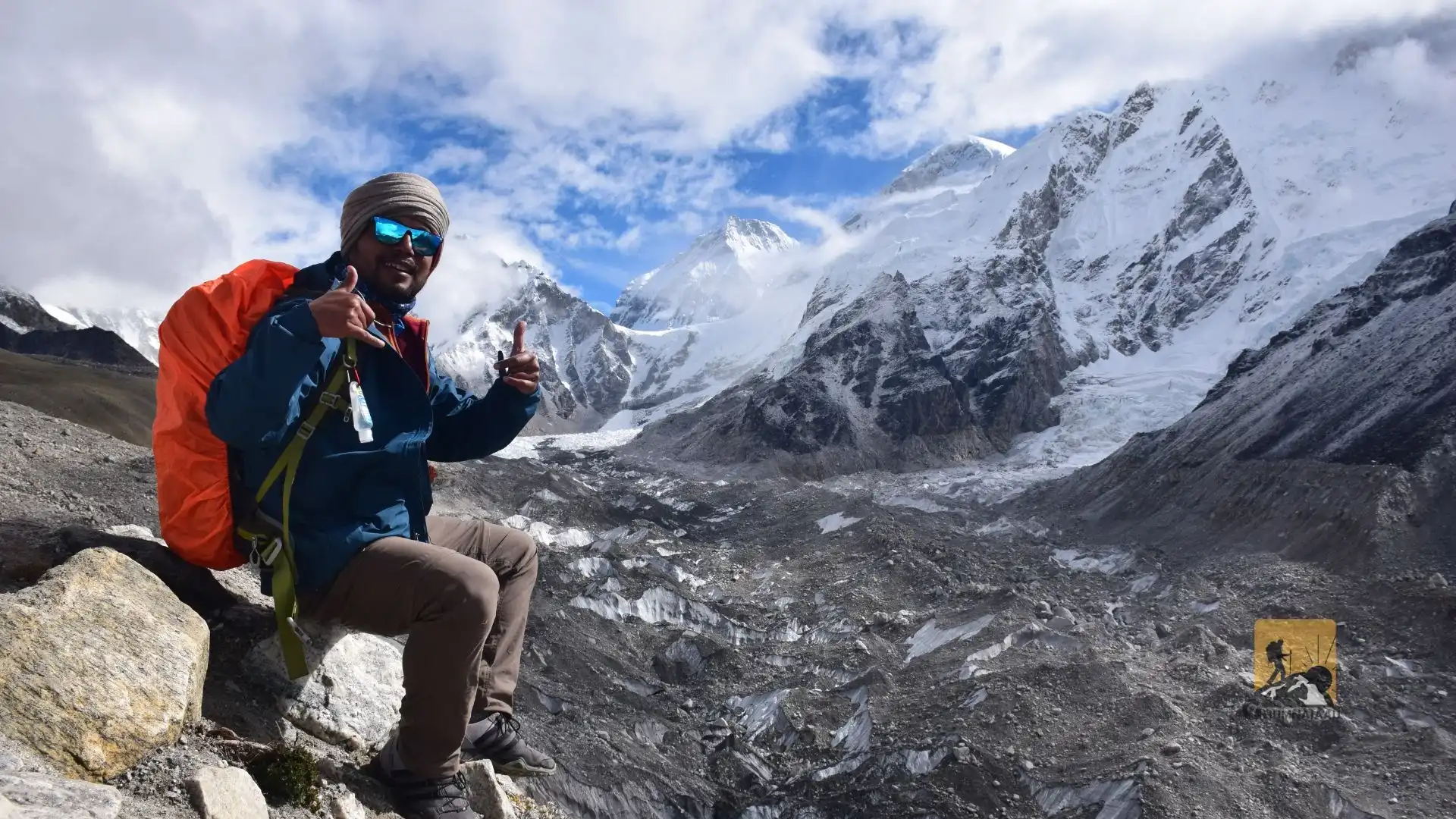
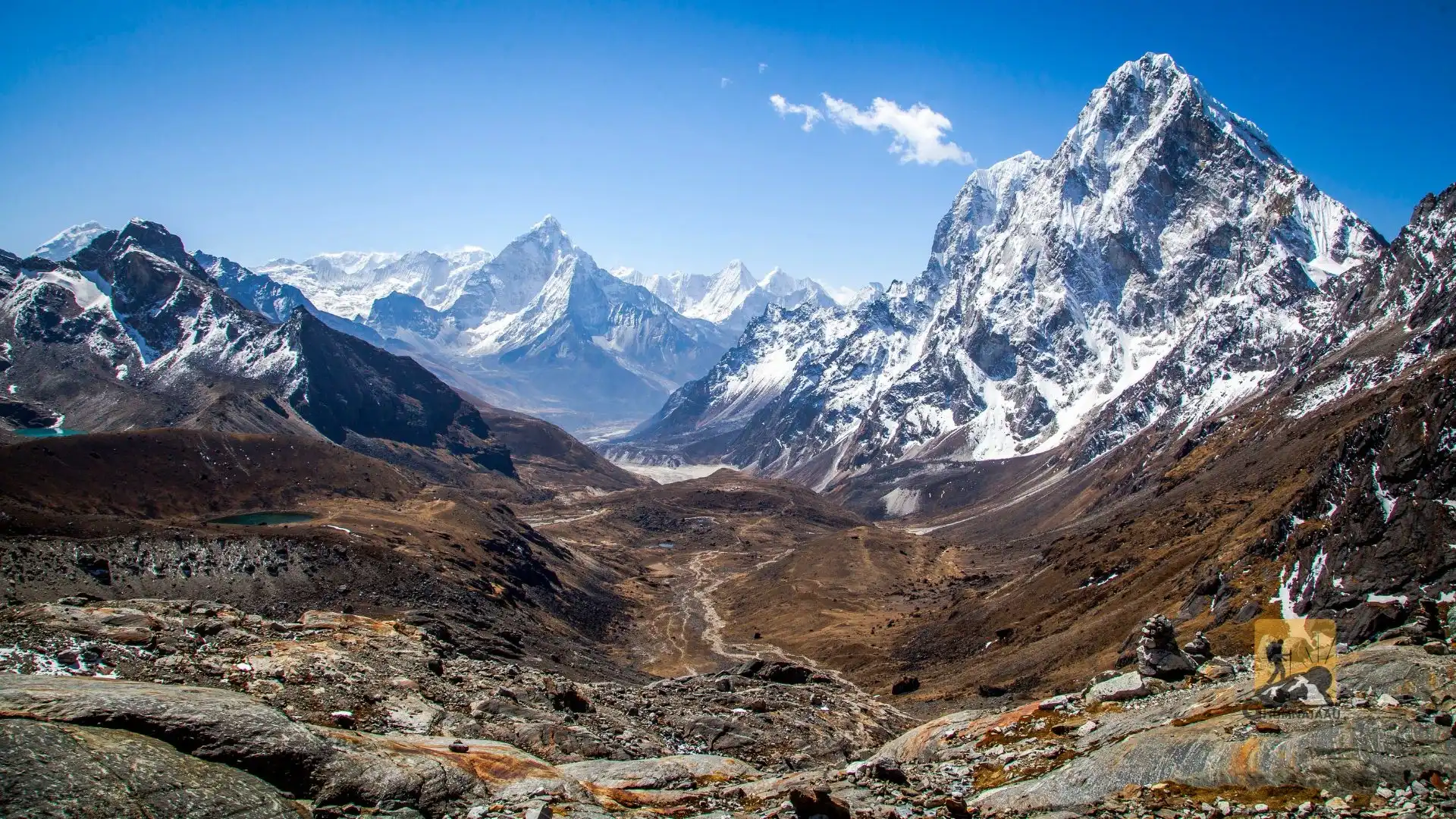
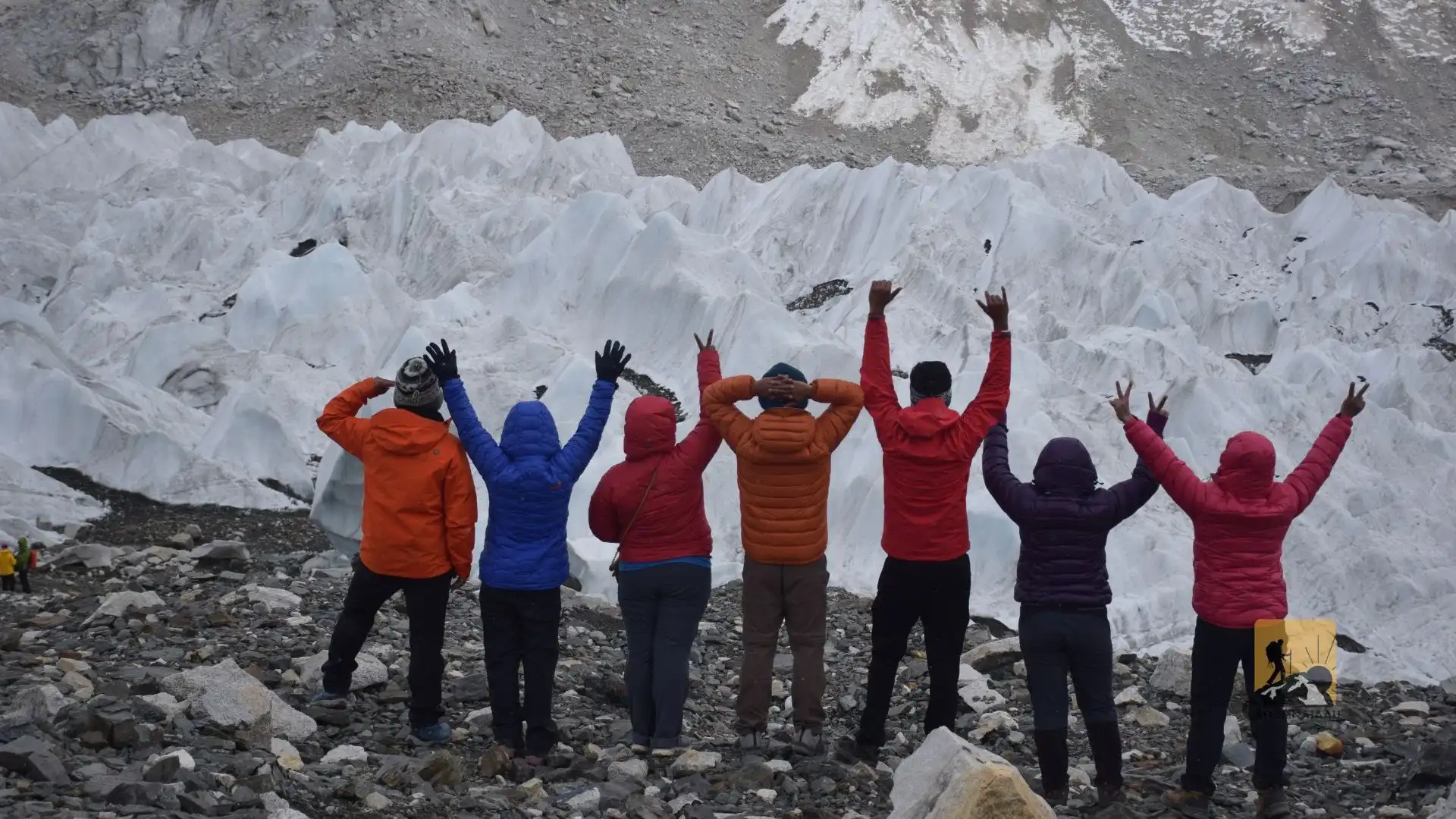
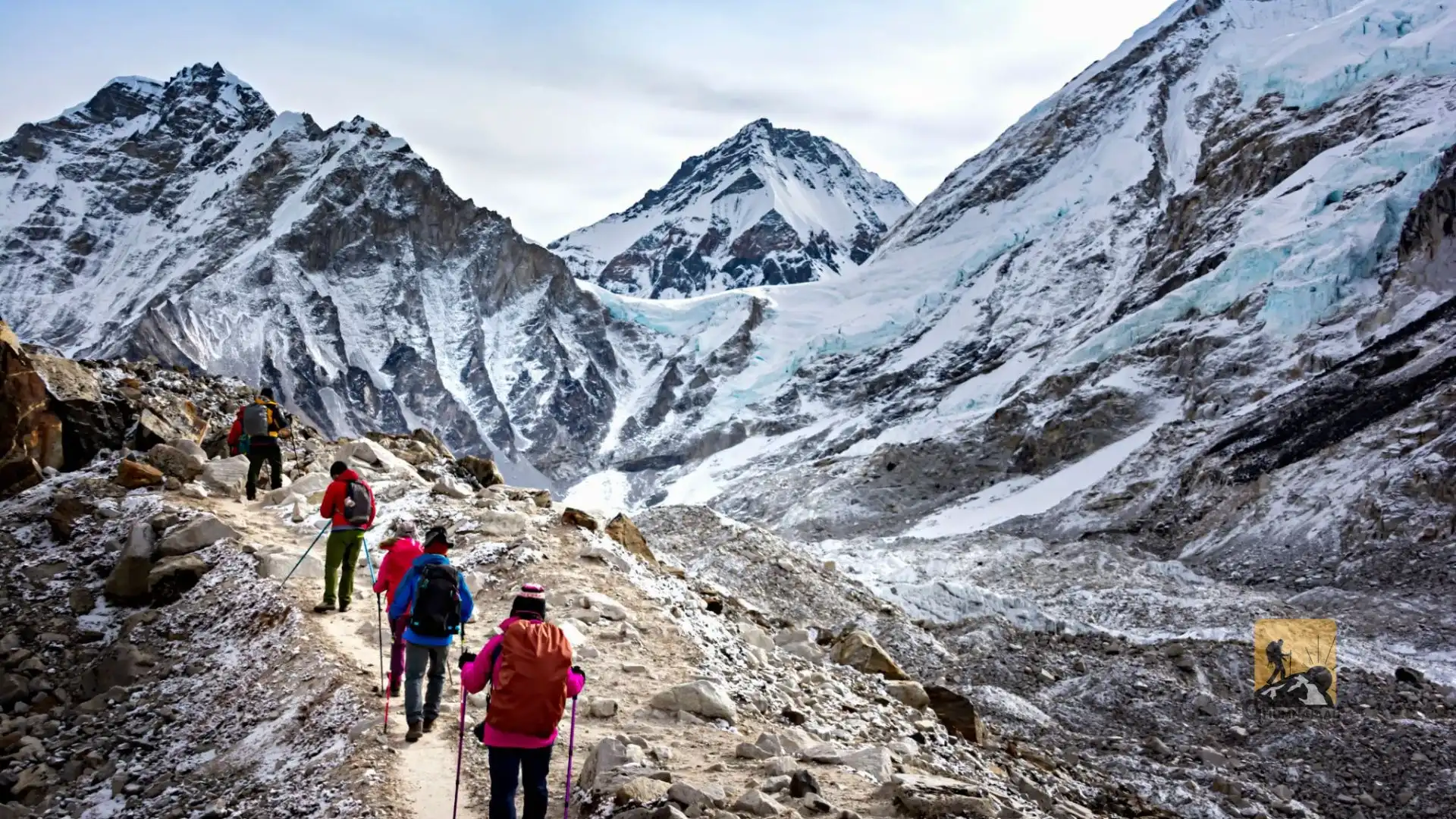
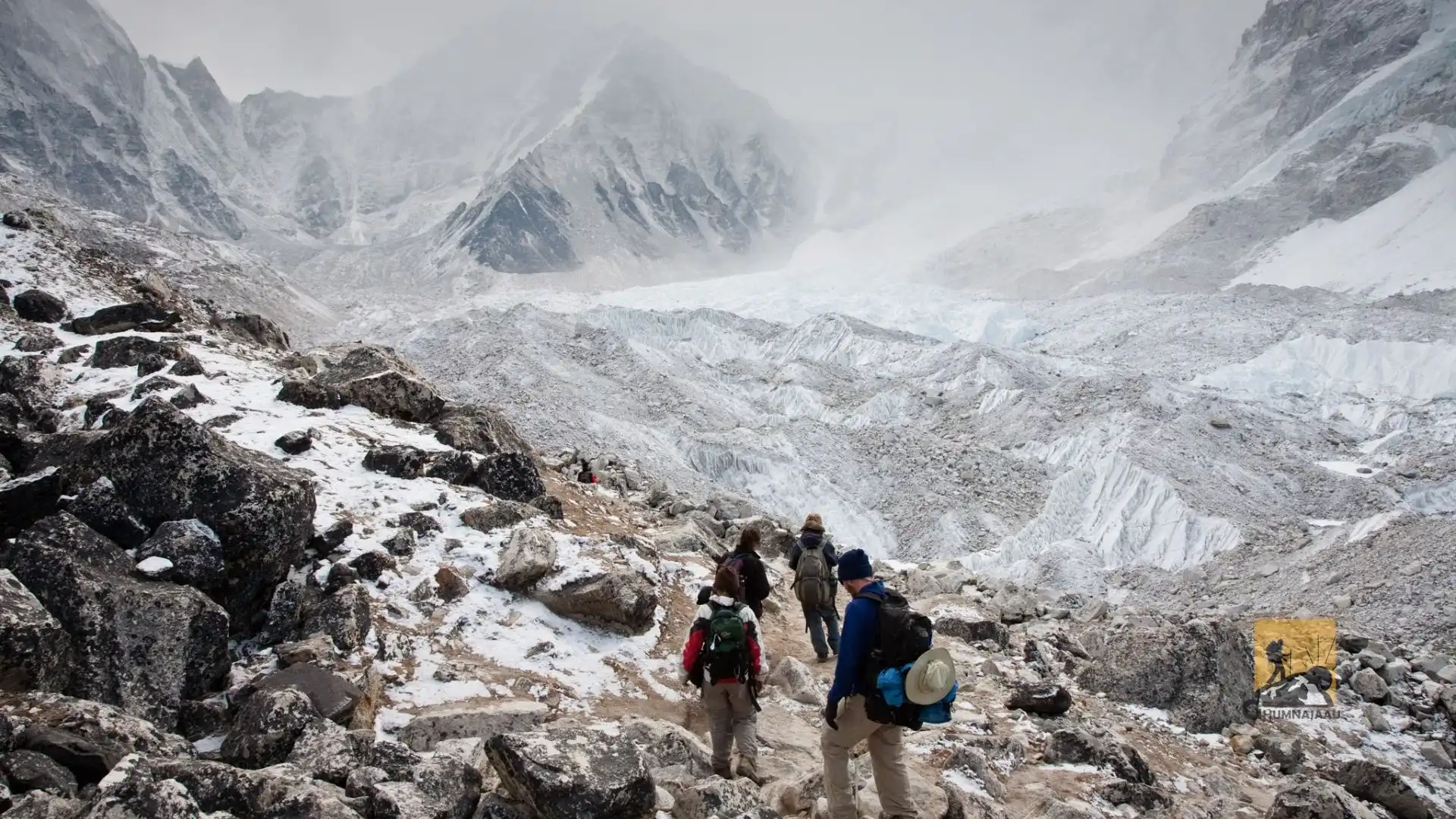
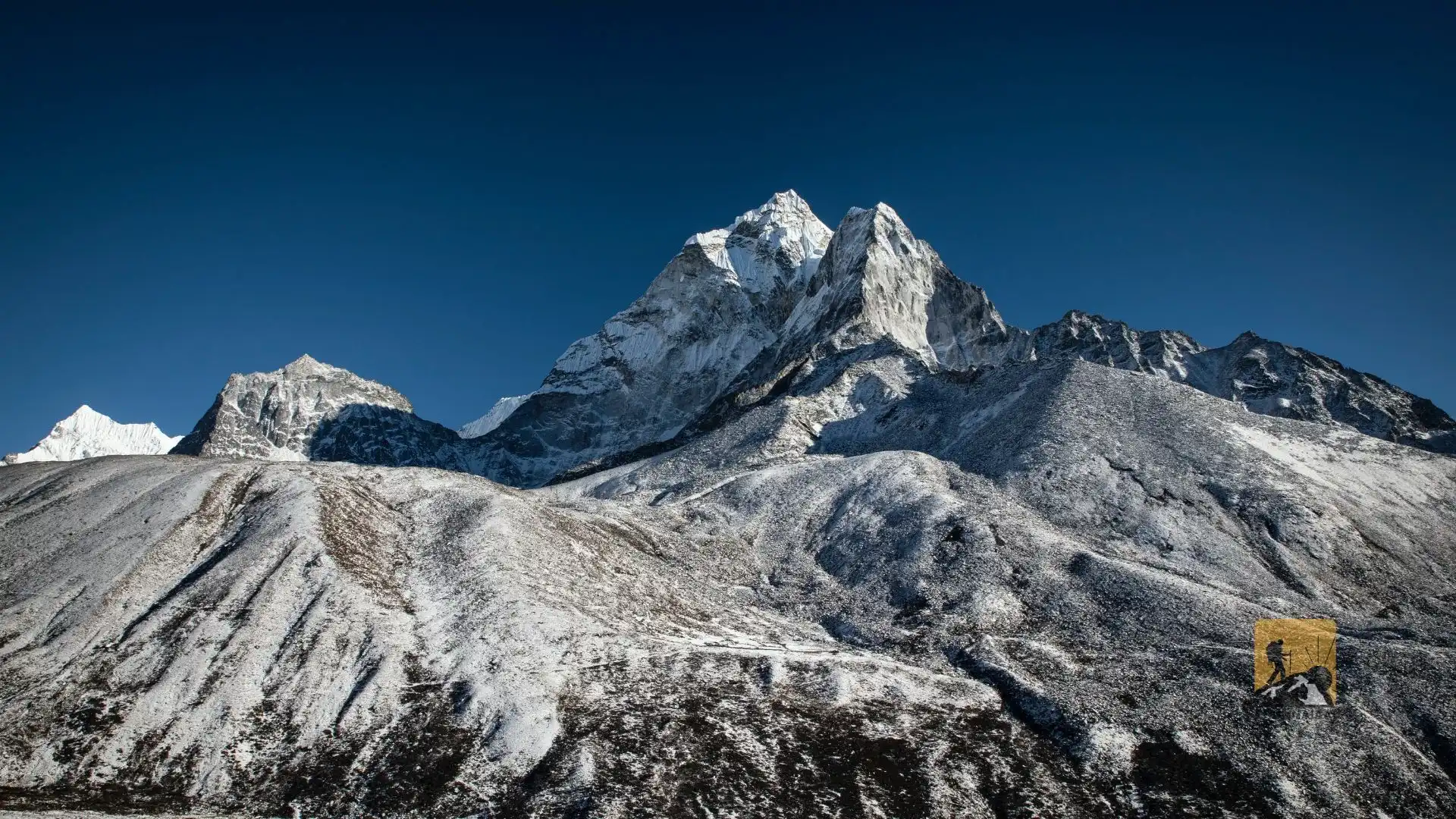
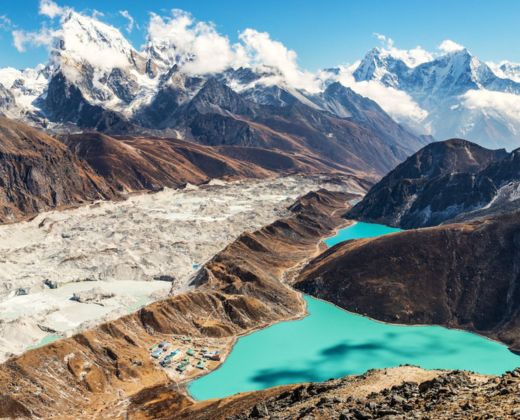
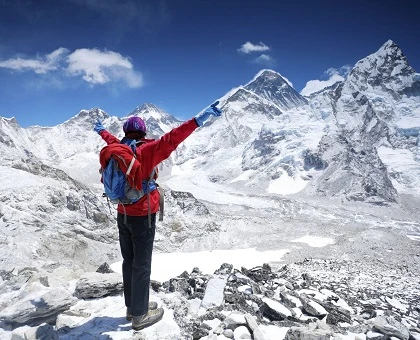
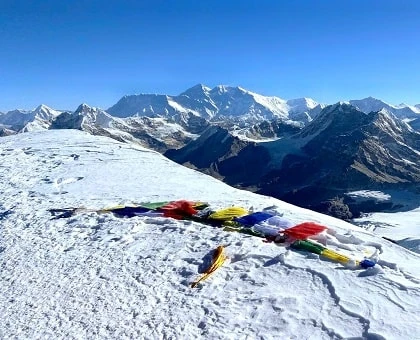
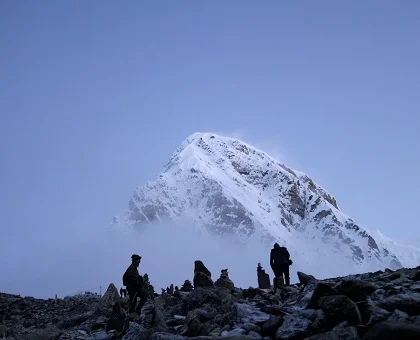
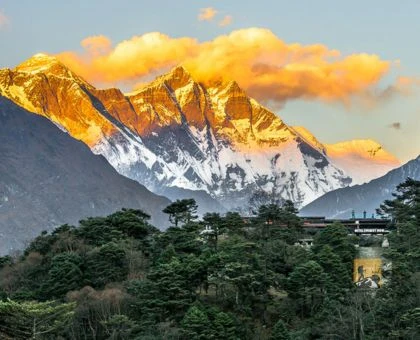
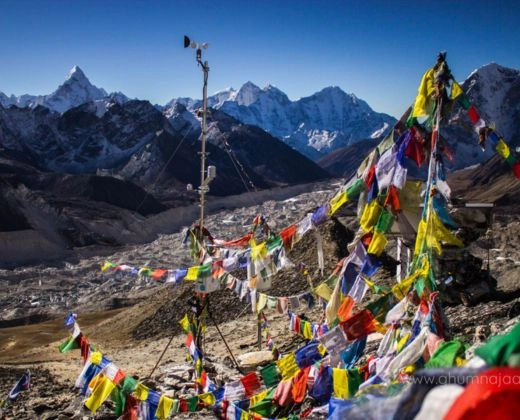
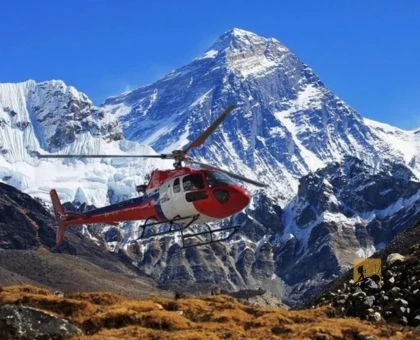
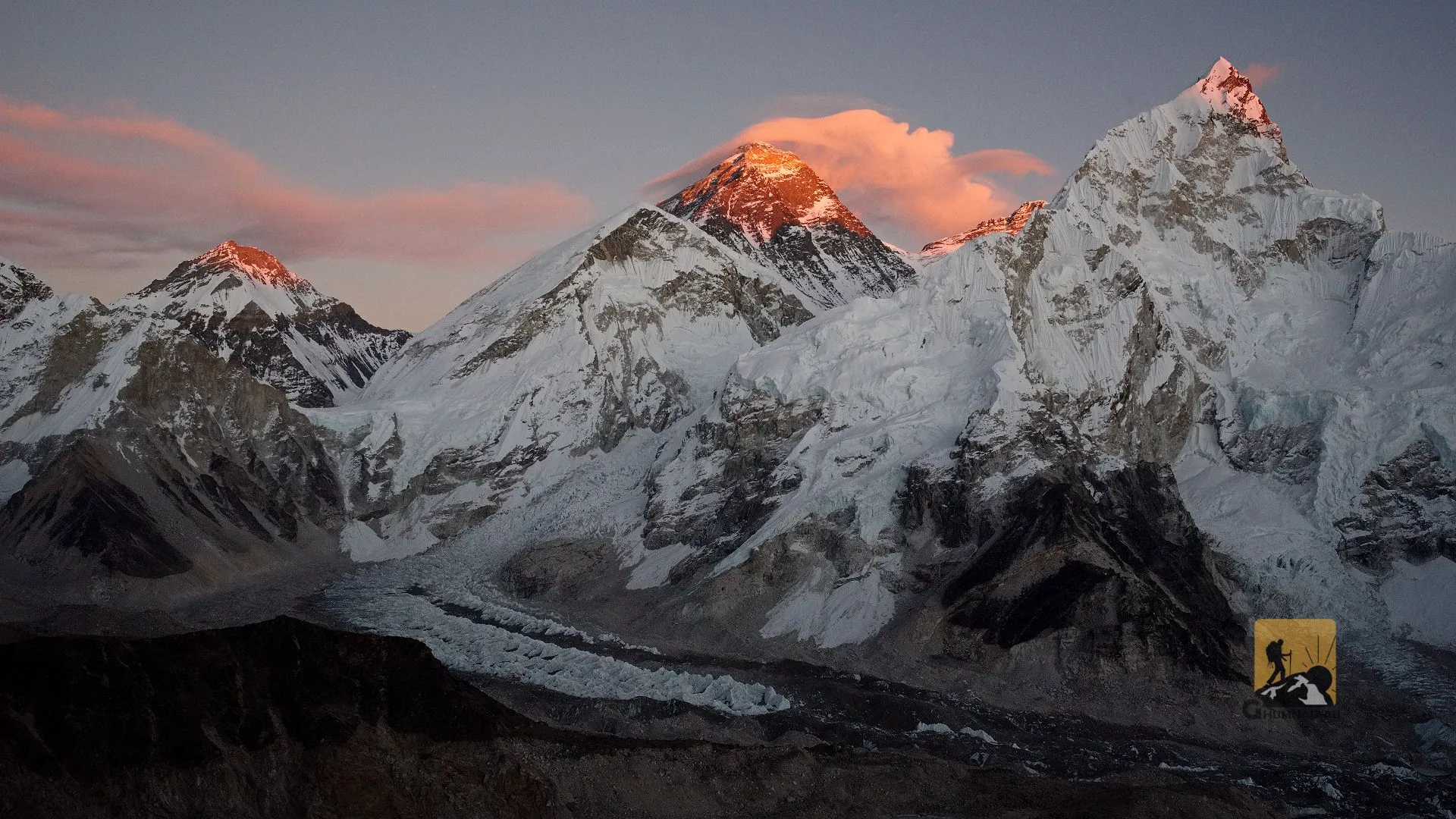
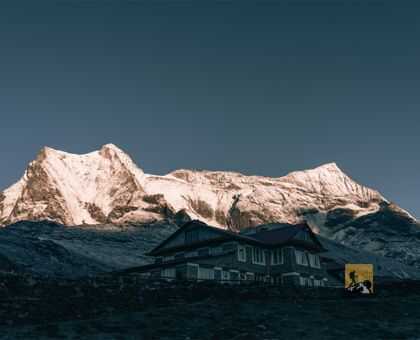
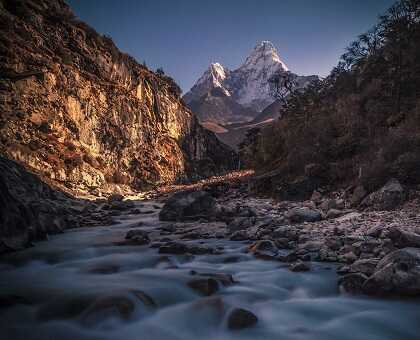
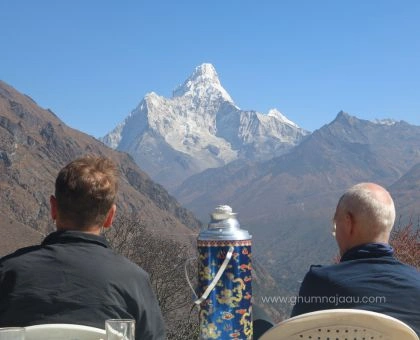
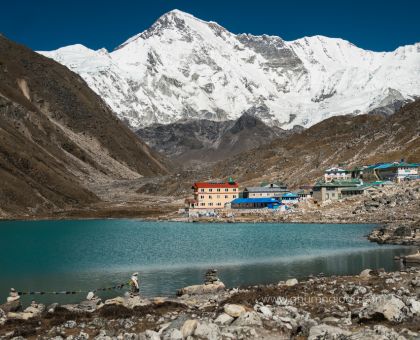
As the trail climbs higher into alpine and glacier landscapes, trekkers witness dramatic views of Mount Everest (8,848m), Ama Dablam, Nuptse, Lhotse, Pumori, and Khumbu Glacier. Reaching Everest Base Camp and hiking to Kala Patthar provide once-in-a-lifetime moments surrounded by the world’s highest mountains.
This trek is ideal for adventure seekers who want authentic Himalayan experiences, cultural encounters, and a rewarding high-altitude trekking journey.
Why Choose This Trek?
The Everest Base Camp Trek via Road is perfect for trekkers looking for a more adventurous and budget-friendly route to Everest Base Camp. Unlike the regular Lukla flight trek, this route offers additional cultural and scenic experiences through lower Solukhumbu villages.
What makes this trek special?
- Avoids unpredictable Kathmandu–Lukla flights on the way up
- More authentic cultural interaction in lower Everest region
- Gradual altitude gain helps better acclimatization
- Scenic jeep drive through rural Nepal landscapes
- Less crowded trekking trail before joining the main EBC route
- Combines adventure, culture, and Himalayan beauty
- Suitable for trekkers seeking a complete Everest experience
Outline Itinerary
|
Day
|
Route Overview
|
Elevation
|
Time Duration
|
|
Day 01
|
Arrival in Kathamndu
|
1350m
|
N/A
|
|
Day 02
|
Drive Kathmandu to Salleri/Phaplu
|
2485m
|
8-9 hrs
|
|
Day 03
|
Drive to Surkhe via Kharikhola & trek to Phakding
|
2290m | 2610m
|
4+4 hrs
|
|
Day 04
|
Trek to Namche Bazaar
|
3440m
|
6-7 hrs.
|
|
Day 05
|
Acclimatization at Namche, hike to Syangboche & Khumjung
|
3780m
|
3-4 hrs.
|
|
Day 06
|
Trek to Debuche via Phungi Tenga
|
3820
|
5-6 hrs.
|
|
Day 07
|
Trek to Dingboche via Somare
|
4530
|
6 hrs.
|
|
Day 08
|
Acclimatization hike to Nangkar Tsang Peak
|
5000m
|
3 hrs.
|
|
Day 09
|
Trek to Lobuche via Thukla
|
4910
|
6 hrs.
|
|
Day 10
|
Trek to Gorakshep & Everest Base Camp
|
5364m
|
6-7 hrs.
|
|
Day 11
|
Hike Kala Patthar & trek to Pheriche
|
5564m|4250m
|
7 hrs.
|
|
Day 12
|
Trek to Namche Bazaar
|
3440m
|
7 hrs.
|
|
Day 13
|
Trek to Lukla
|
2850m
|
7-8 hrs.
|
|
Day 14
|
Trek from Lukla to Surkhe/Kharikhola & Drive to Salleri
|
2485m
|
7-8 hrs.
|
|
Day 15
|
Drive from Salleri to Kathamndu
|
1350m
|
8-9 hrs.
|
|
Day 16
|
Final departure
|
|
|
Best Time to Visit
- Spring (March–May): Spring is one of the best seasons for the Everest Base Camp Trek. The weather is stable, skies are clear, and rhododendron forests bloom beautifully. Mountain views are spectacular.
- Summer/Monsoon (June–August): This season brings rain, cloudy weather, and slippery trails. Flights and transportation may face delays. However, landscapes become lush and green with fewer trekkers.
- Autumn (September–November): Autumn is the most popular trekking season with clear mountain views, stable weather, and comfortable temperatures. It is ideal for photography and trekking.
- Winter (December–February): Winter offers peaceful trails and crystal-clear views, but temperatures become very cold at higher elevations. Suitable for experienced trekkers prepared for snow conditions.
Difficulty Level
The Everest Base Camp Trek via Road is considered a moderate to challenging trek due to its long duration, high altitude, and daily walking hours.
Physical Fitness: Trekkers should have good physical fitness and be comfortable walking 5–8 hours daily on mountain trails.
Altitude Challenges: The trek reaches 5,550m at Kala Patthar, where altitude sickness can occur. Proper acclimatization, hydration, and gradual ascent are essential.
Trail Conditions: Trails include steep ascents, rocky paths, suspension bridges, glacier terrain, and high-altitude conditions. Previous trekking experience is helpful but not mandatory.
Food and Accommodation
Accommodation during the trek is mainly in local teahouses and mountain lodges with twin-sharing rooms. Rooms are simple, clean, and comfortable with blankets and basic facilities.Trekkers can enjoy a variety of meals including: Dal Bhat, Fried rice, Noodles, Pasta, Soups,Tibetan bread, Eggs, Pancakes & Tea and coffee
Facilities
- Charging facilities available at most lodges (extra charge)
- Wi-Fi/internet available in major villages
- Hot showers available in lower and mid-regions
- Comfortable dining halls with heating systems
Culture and Local Experience
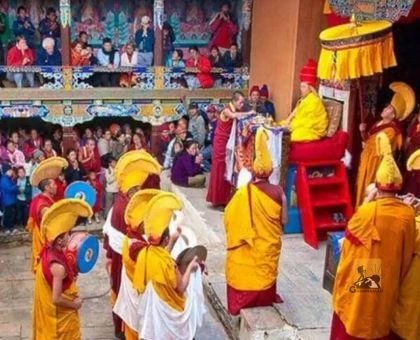
The Everest region is home to the legendary Sherpa community, famous for their mountaineering skills, hospitality, and Buddhist traditions.
Trekkers encounter:
- Ancient monasteries and gompas
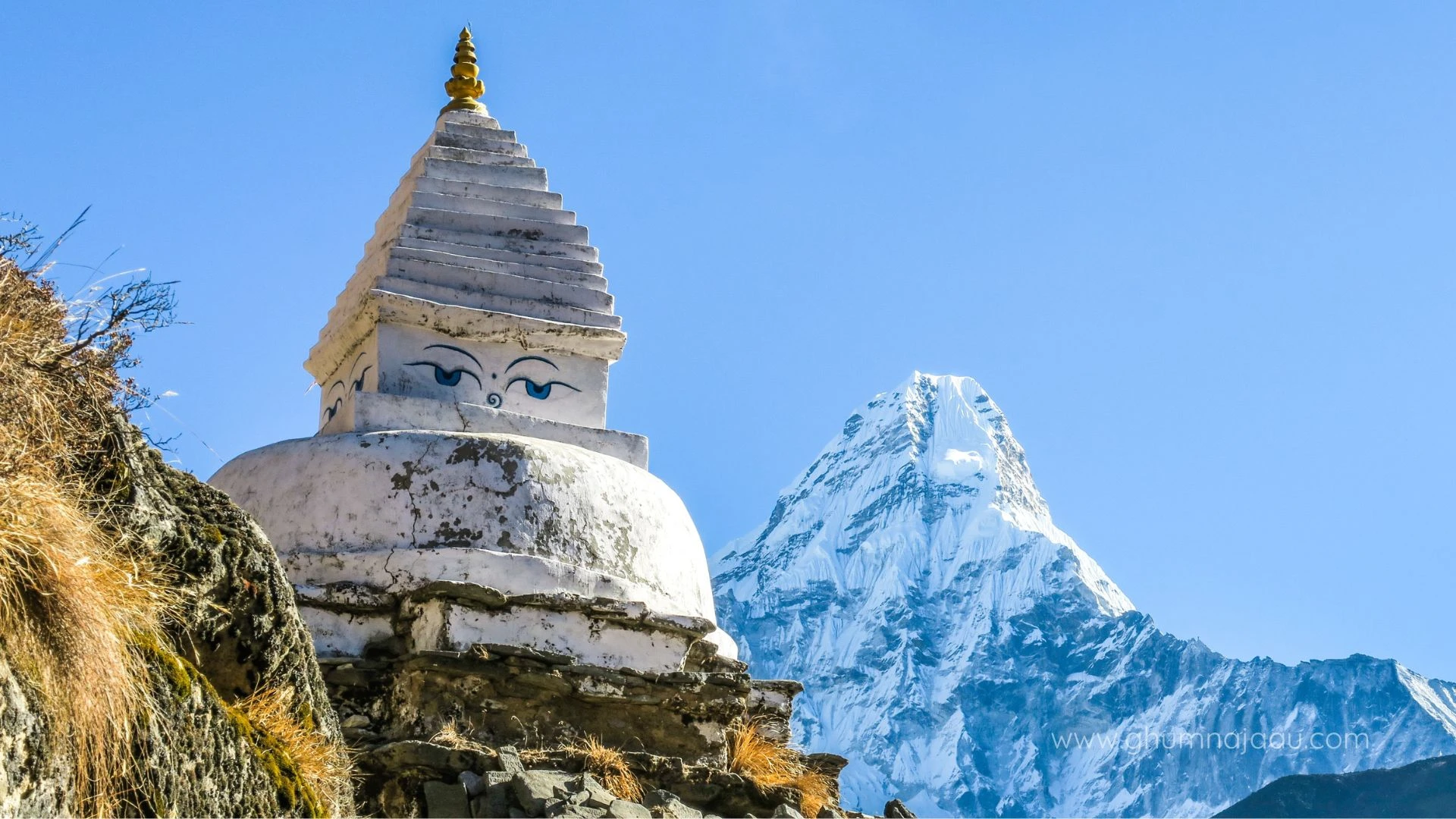
- Prayer wheels, mani walls, and chortens
- Traditional Sherpa villages and stone houses
- Buddhist festivals and spiritual culture
- Yak caravans and mountain lifestyles
A visit to Khumjung village and Tengboche Monastery provides deeper insight into Himalayan culture and spirituality.
Transportation Details
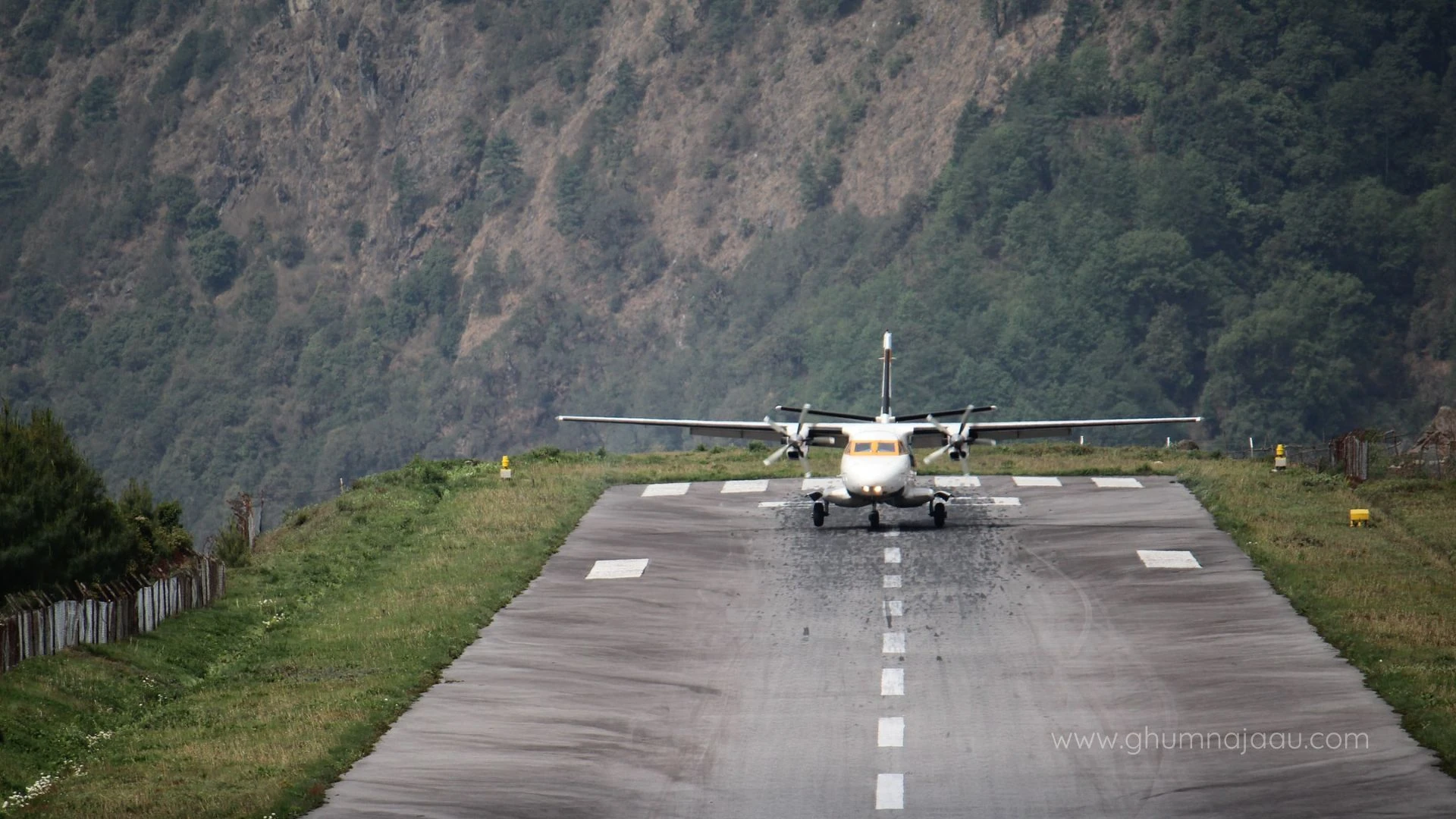
The journey begins with a scenic drive from Kathmandu to Salleri and Kharikhola by jeep. This adventurous road trip passes through rivers, hills, villages, and mountain landscapes. After completing the trek, trekkers fly from Lukla back to Kathmandu on a short scenic mountain flight. Transportation Includes
- Kathmandu to Salleri/Kharikhola by Jeep/Bus.
- Optional Lukla to Kathmandu flight ticket
Safety and Travel Tips
- Altitude Sickness: Ascend gradually, Stay hydrated, Avoid alcohol and smoking & Inform guides immediately if symptoms appear
- Trekking Essentials: Warm layered clothing, Good trekking boots, Sleeping bag, Sunglasses and sunscreen, Trekking poles, Water purification tablets
- Permits Required: Sagarmatha National Park Permit & Khumbu Rural Municipality Permit
- Travel Insurance: Comprehensive travel insurance covering high-altitude evacuation is strongly recommended.
- Guide Recommendation: Hiring experienced local guides enhances safety, navigation, and cultural understanding throughout the trek.
Why Book With Us – Ghumnajaau?
- Local Himalayan Experts: Our experienced guides and trekking team are passionate about creating safe and memorable adventures in Nepal.
- Safety First: We prioritize acclimatization, emergency preparedness, and responsible trekking practices.
- Personalized Service: We provide flexible itineraries, friendly customer support, and customized trekking experiences.
- Responsible Tourism: Ghumnajaau supports local communities, eco-friendly trekking, and sustainable tourism practices.
- Experienced Trekking Crew: Our licensed guides and staff are knowledgeable, professional, and highly experienced in the Everest region.
Experience the adventure of a lifetime on the Everest Base Camp Trek via Road with Ghumnajaau. Walk through legendary Sherpa villages, witness breathtaking Himalayan scenery, and stand at the base of the world’s highest mountain. Whether you are an experienced trekker or a passionate adventurer, our professional team is ready to make your Everest dream come true.
Book your Everest Base Camp Trek today with Ghumnajaau and start your unforgettable Himalayan journey!