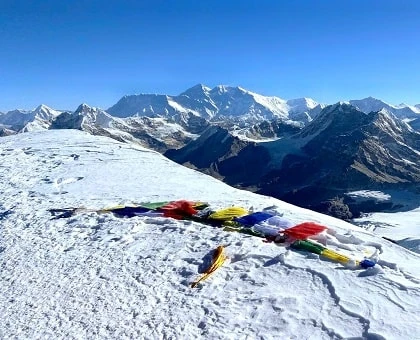
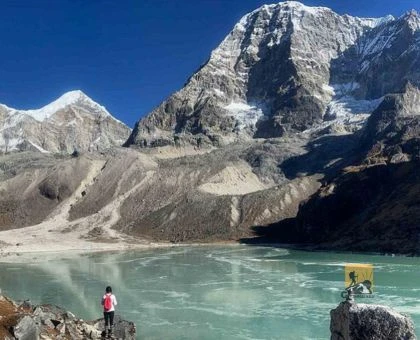
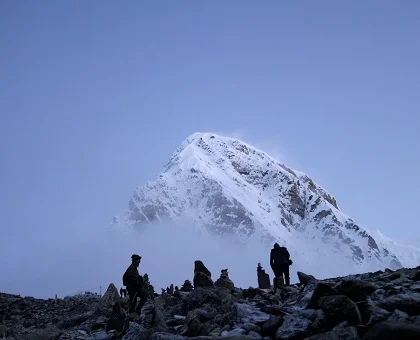
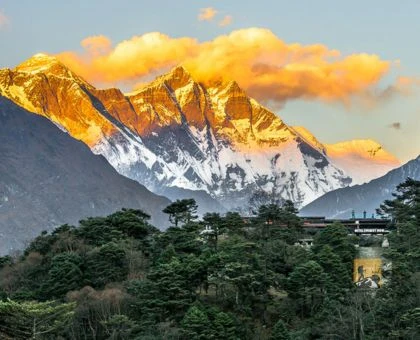
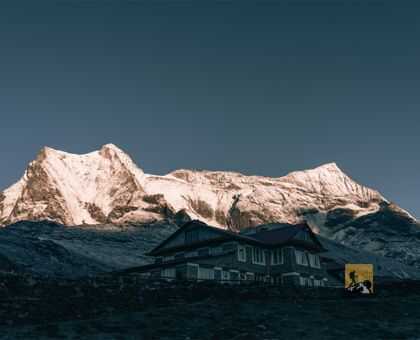
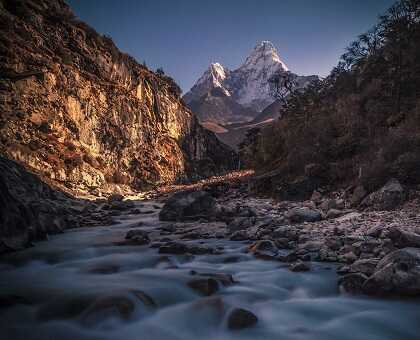
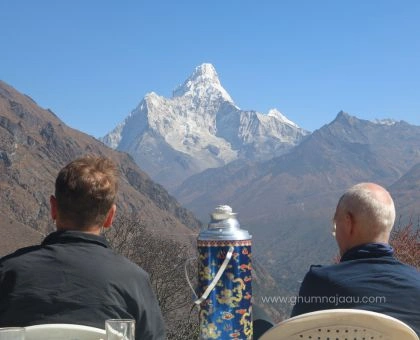
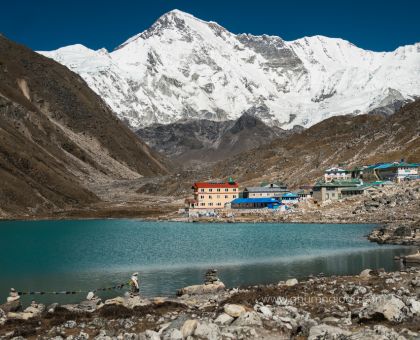
The Everest Gokyo Lake Trek is one of Nepal’s most scenic and rewarding trekking journeys. Located in the Khumbu region of Solukhumbu, this trek combines dramatic Himalayan landscapes, ancient Sherpa culture, glacial lakes, and breathtaking mountain panoramas.
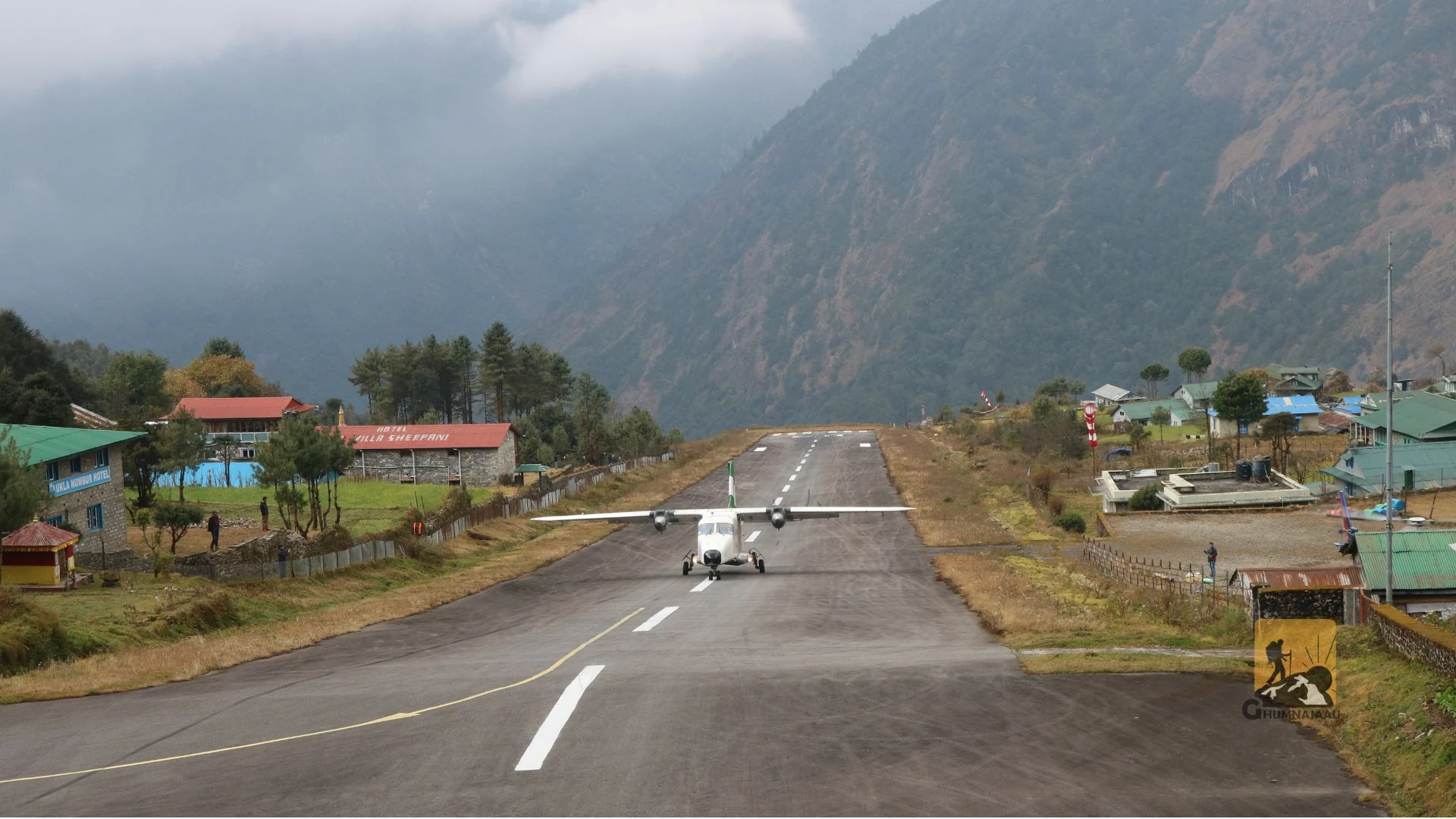
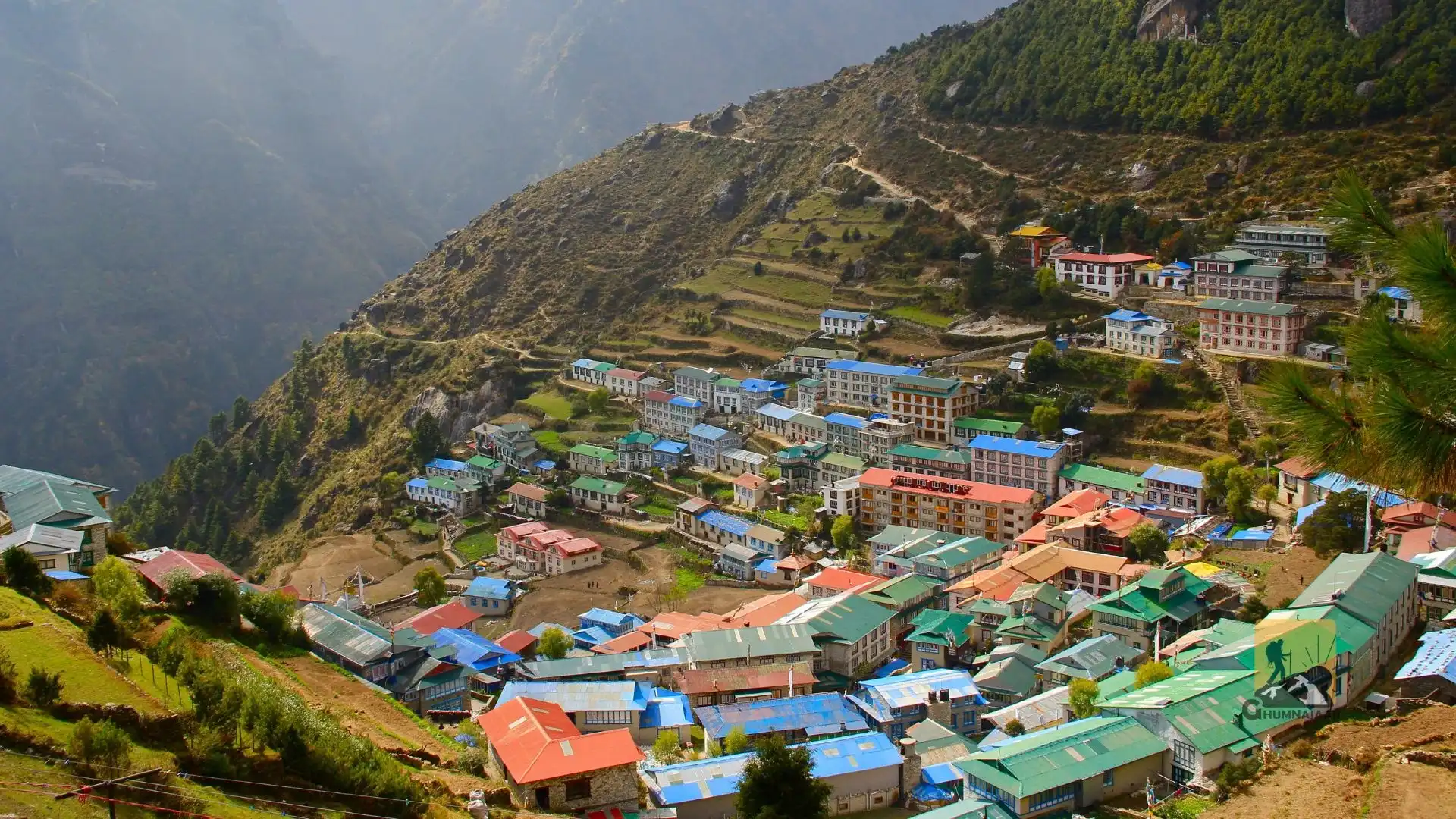
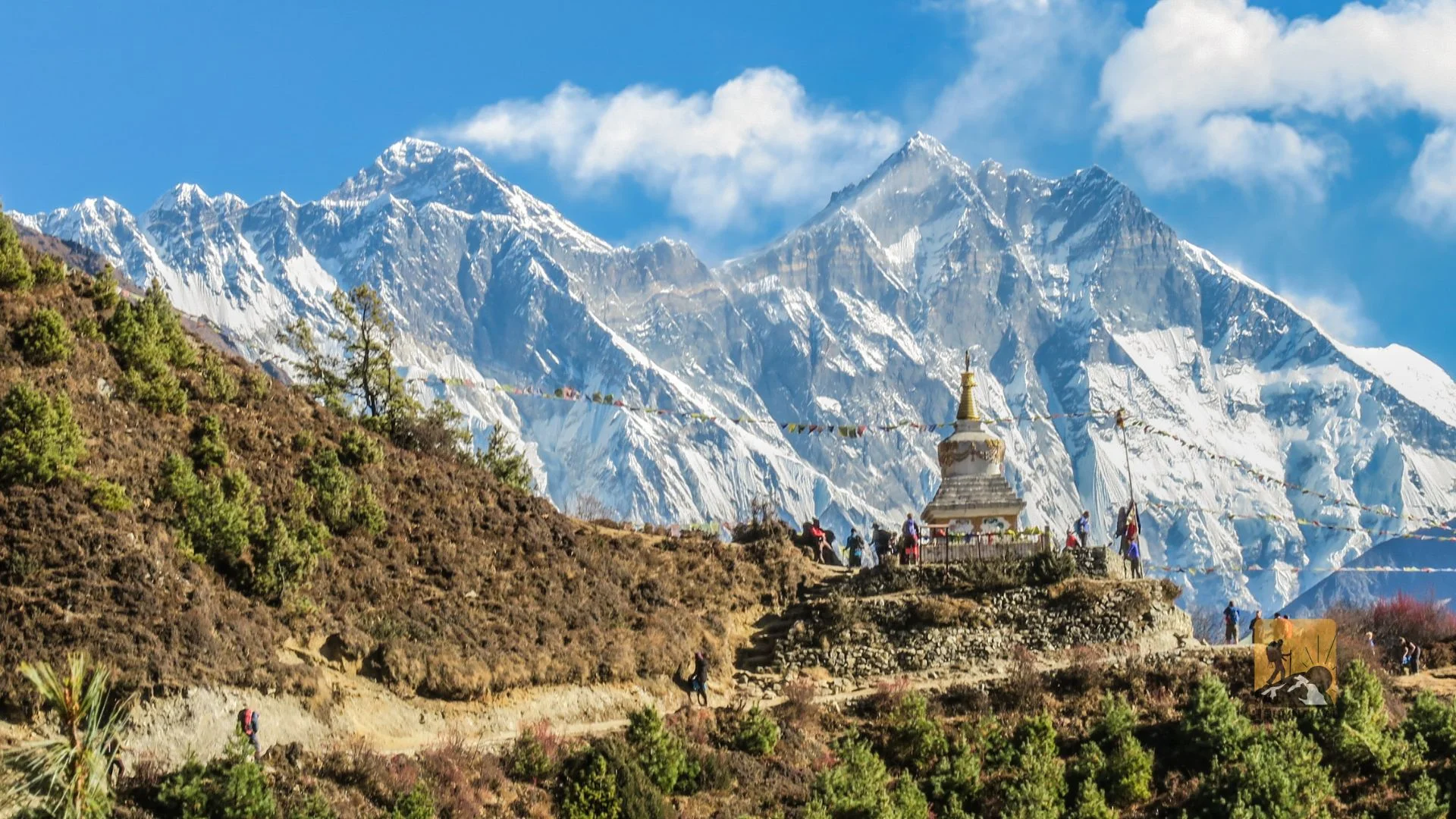
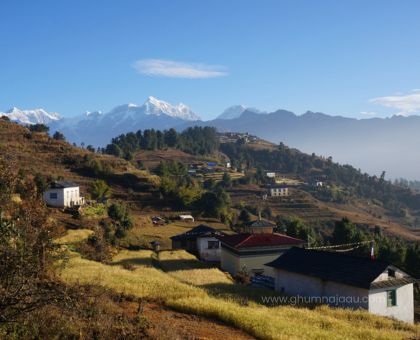
The adventure begins with an exciting flight to Lukla, the gateway to the Everest region. The trail follows the beautiful Dudh Koshi River through pine forests, suspension bridges, and charming Sherpa villages such as Phakding and Namche Bazaar. Namche Bazaar, the bustling trading hub of the Khumbu region, offers stunning views of Everest and surrounding peaks.
As the trail climbs higher, trekkers pass through peaceful settlements like Dole, Machhermo, and Phortse Thanga while gradually entering a high-altitude alpine landscape. Rhododendron forests give way to rugged mountain terrain, yak pastures, glaciers, and dramatic Himalayan scenery.
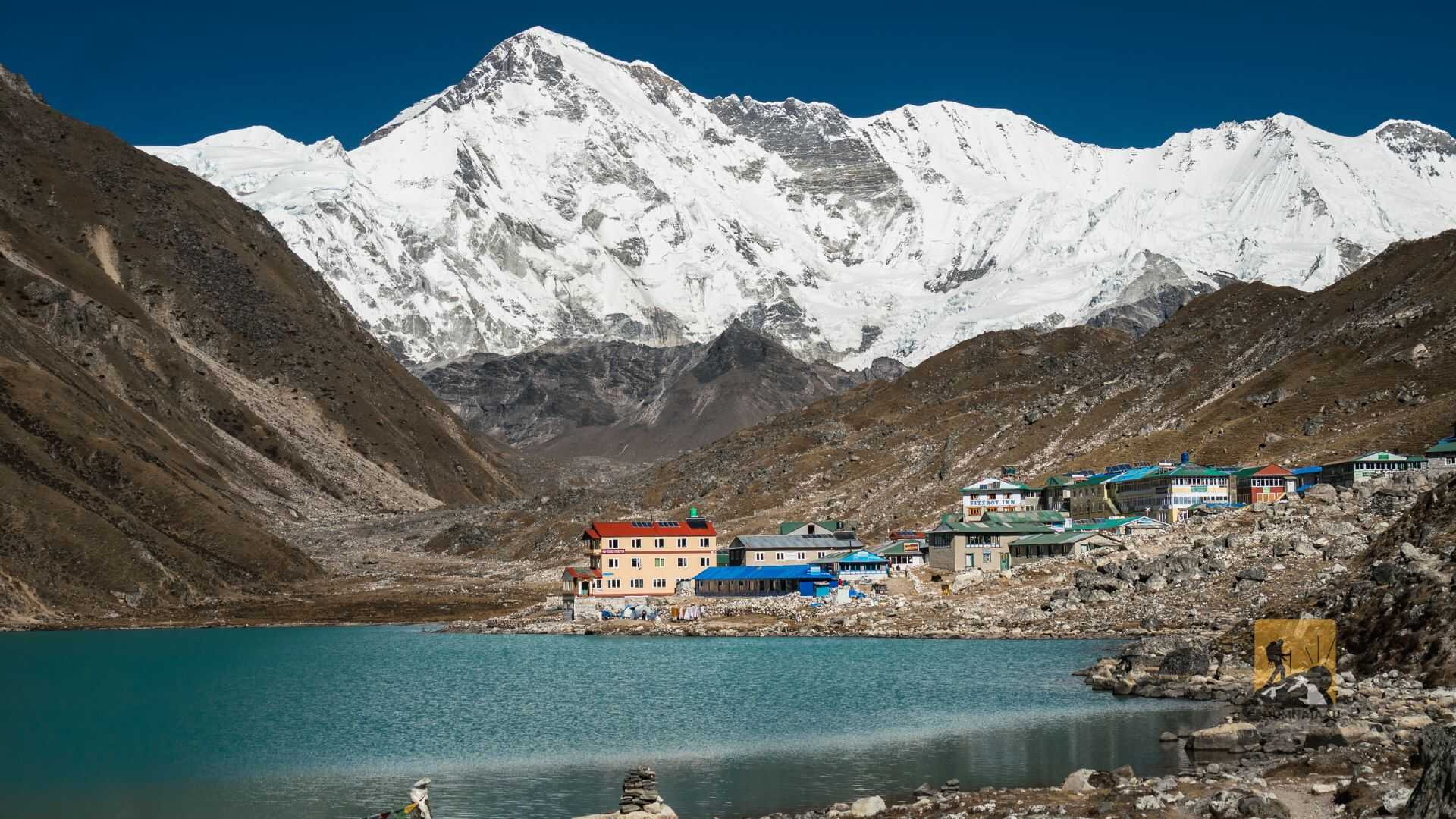
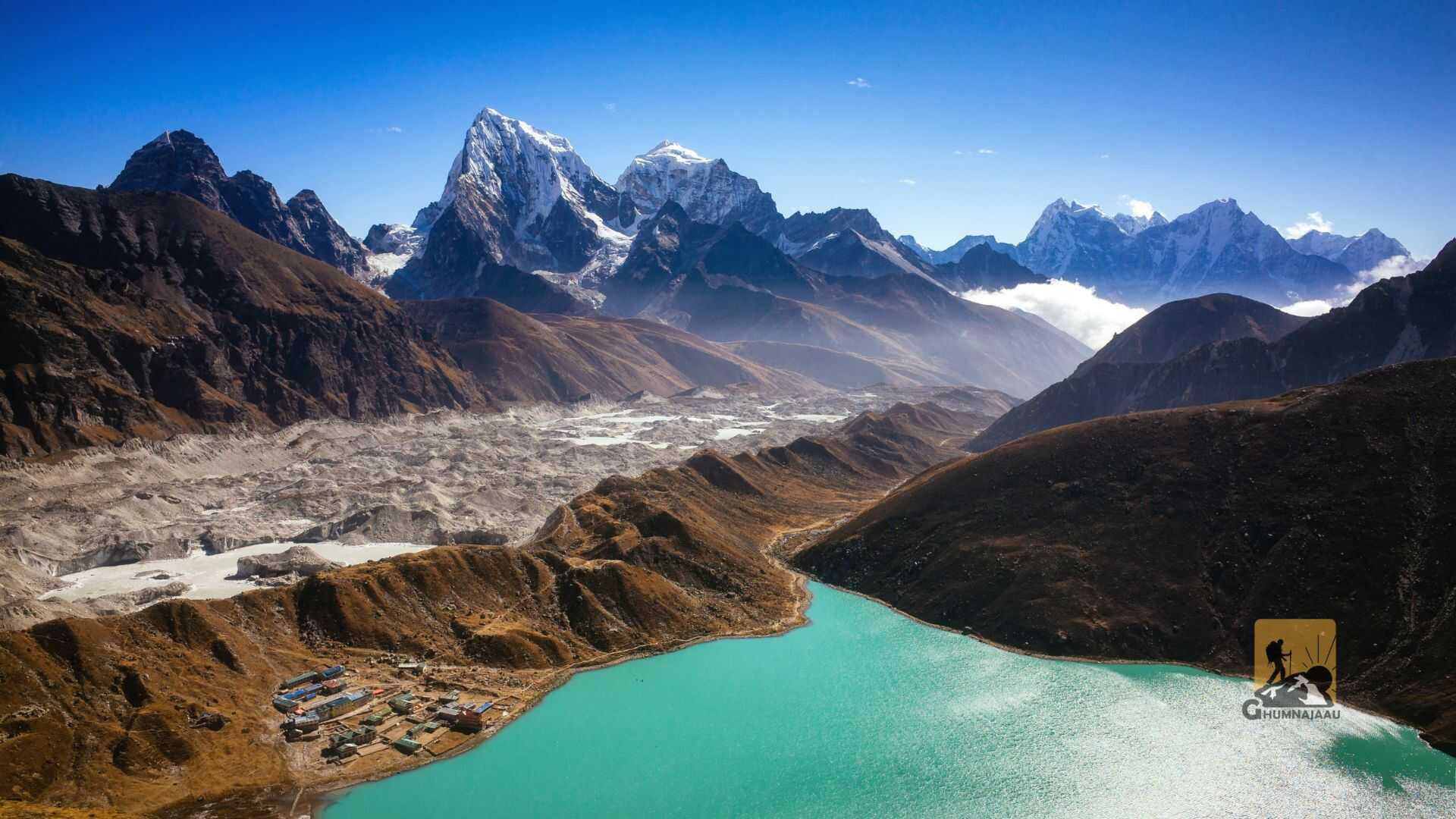
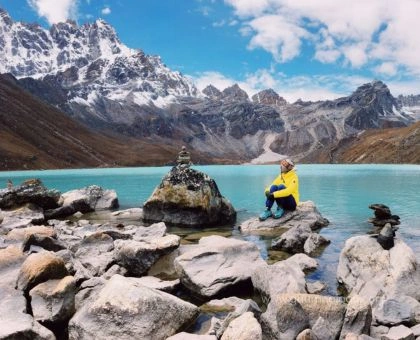
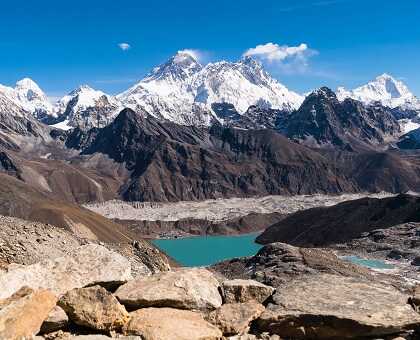
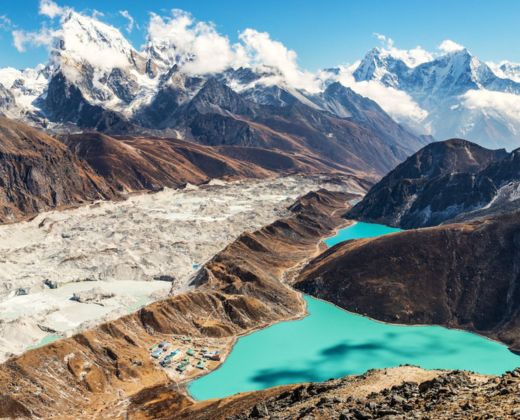
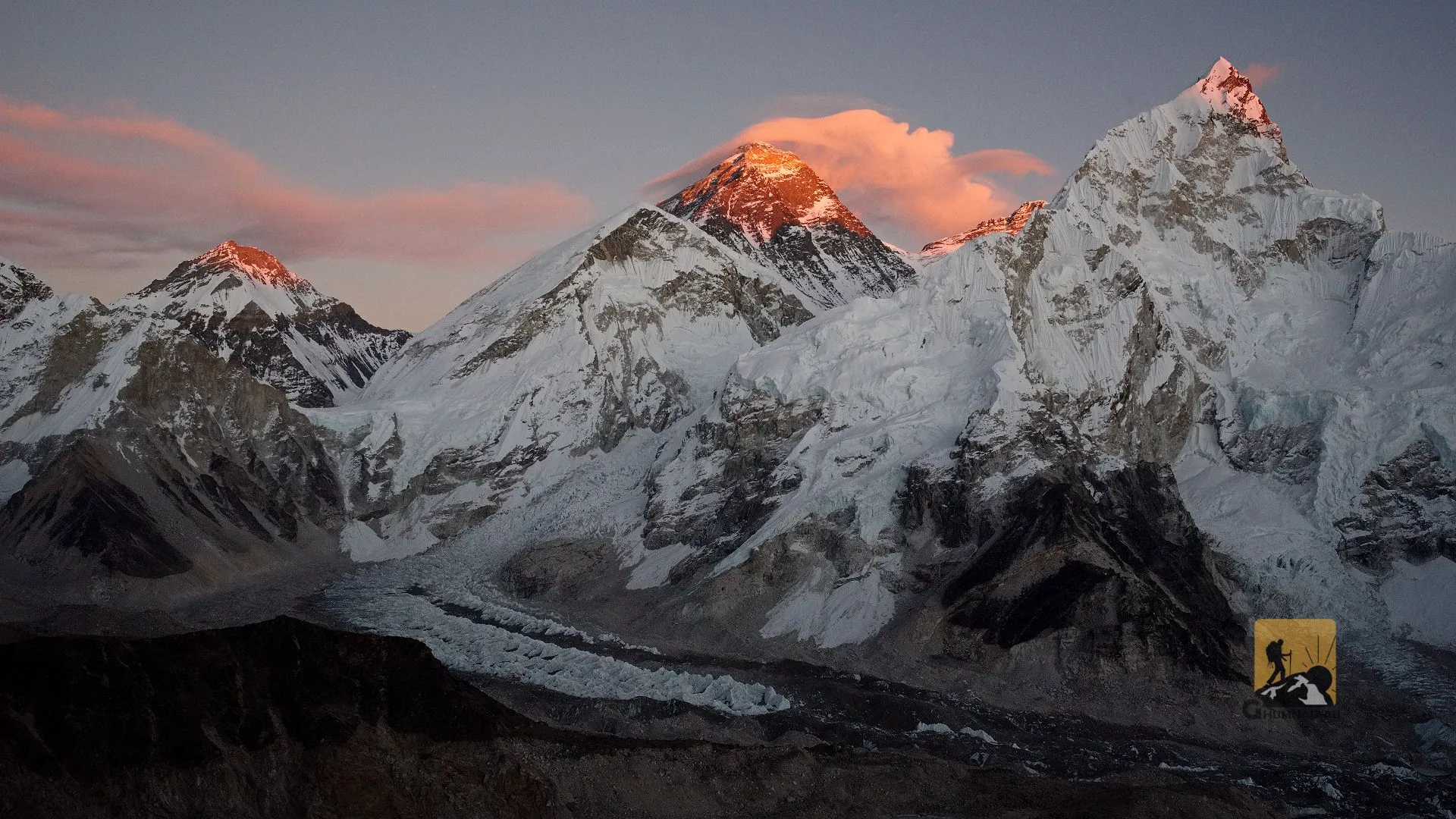
The highlight of the trek is reaching the magnificent Gokyo Lakes, a chain of turquoise glacial lakes surrounded by snow-capped mountains. The optional hike to Gokyo Ri (5,357m) rewards trekkers with one of the best panoramic viewpoints in Nepal, including Mount Everest, Lhotse, Makalu, and Cho Oyu.
Another major attraction is the Ngozumpa Glacier, the largest glacier in the Himalayas. The peaceful atmosphere, fewer crowds, and authentic local culture make this trek a perfect alternative to the traditional Everest Base Camp route.
Why Choose This Trek?
The Everest Gokyo Lake Trek offers a unique and quieter Himalayan experience compared to the classic Everest Base Camp Trek. It combines stunning alpine lakes, glacier landscapes, Sherpa culture, and panoramic Himalayan views in one unforgettable adventure.
Unlike busier trekking routes, the Gokyo Valley trail provides peaceful walking paths, less crowded teahouses, and a deeper connection with nature. The sunrise view from Gokyo Ri is considered one of the finest viewpoints in the Everest region. Travelers also experience authentic Sherpa hospitality, Buddhist monasteries, and remote Himalayan villages throughout the journey.
This trek is ideal for adventure seekers looking for a scenic, culturally rich, and less commercialized Everest trekking experience.
Route Overview
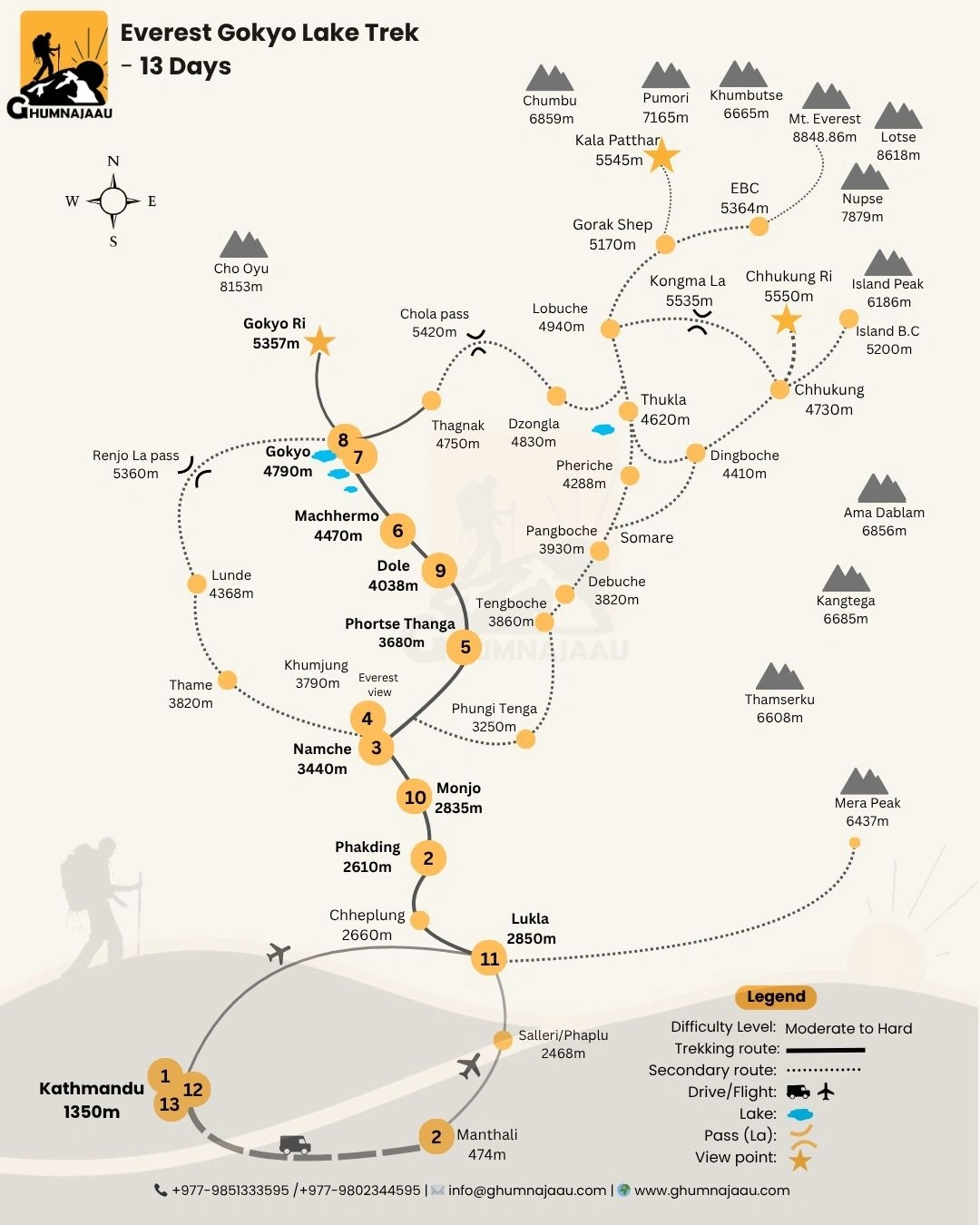
Day 01: Arrival in Kathmandu (1,350m) - transfer to Hotel.
Day 02: Fly to Lukla & Trek to Phakding (2,610m) - 4 hrs
Day 03: Trek from Phakding to Namche Bazaar (3,440m) - 6 hrs
Day 04: Acclimatization Day at Namche Bazaar (3,440m) - Optional hikes
Day 05: Trek to Phortse Thanga (3,680m) - 6 hrs
Day 06: Trek to Machhermo (4,470m) - 5 hrs
Day 07: Trek to Gokyo Valley (4,800m) - 5 hrs
Day 08: Hike to Gokyo Ri (5,357m) - 4–5 hrs
Day 09: Trek back to Dole (4200m) - 4 hrs
Day 10: Trek to Monjo (2835m) - 5-6 hrs
Day 11: Trek to Lukla (2,850m) - 4 hrs
Day 12: Fly back to Kathmandu (1,350m) - 40 mins flight
Day 13: Final departure
Best Time to Visit
Spring (March – May)
Spring is one of the best seasons for the Everest Gokyo Lake Trek. The weather is stable, temperatures are comfortable, and rhododendron forests bloom beautifully along the trails. Mountain views are exceptionally clear.
Autumn (September – November)
Autumn offers the clearest skies and the best mountain visibility. The weather remains dry and pleasant, making it the peak trekking season in the Everest region.
Winter (December – February)
Winter trekking is possible for experienced trekkers. The trails are quieter, but temperatures can drop significantly at higher elevations with occasional snowfall.
Monsoon (June – August)
Monsoon brings rain and cloudy conditions, making flights and trails less predictable. However, the landscapes become lush and green with fewer tourists.
Difficulty Level
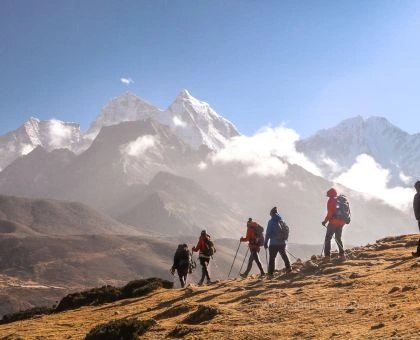
The Everest Gokyo Lake Trek is considered a moderately difficult to challenging trek due to its high altitude and long walking days. Trekkers should have good physical fitness and stamina to walk 5–8 hours daily on steep and rocky terrain.
The highest point of the trek is Gokyo Ri at 5,357 meters, where altitude sickness can become a challenge. Proper acclimatization, hydration, and slow ascent are essential for a safe trekking experience.
Previous trekking experience is helpful but not mandatory for physically fit travelers with a positive mindset and preparation.
Accommodation and Meals
Accommodation during the trek is provided in comfortable tea houses and lodges on a twin or triple-sharing basis. Rooms are simple, clean, and cozy with basic facilities.
Meals include breakfast, lunch, and dinner from local tea house menus. Popular dishes include Dal Bhat, noodles, fried rice, soup, Tibetan bread, potatoes, pasta, pancakes, tea, and coffee.
Most lodges offer:
- Wi-Fi and internet access (extra charge)
- Hot showers (extra charge)
- Electricity and charging facilities
- Comfortable dining halls with heating
Facilities become more basic at higher elevations, but the warm hospitality of local hosts makes the experience memorable.
Culture and Local Experience
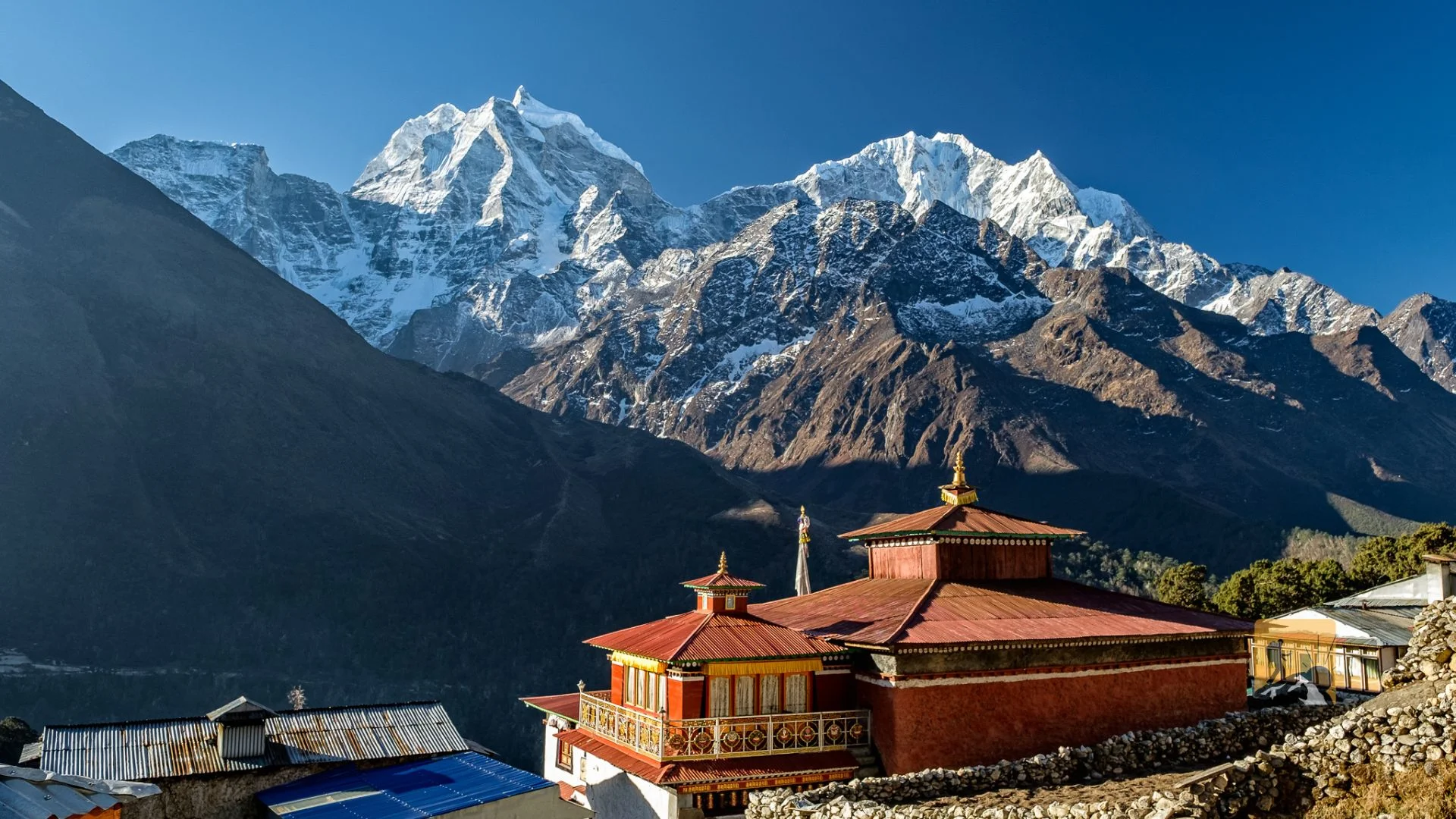
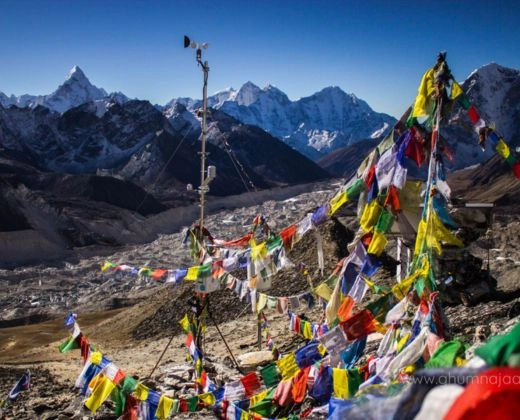
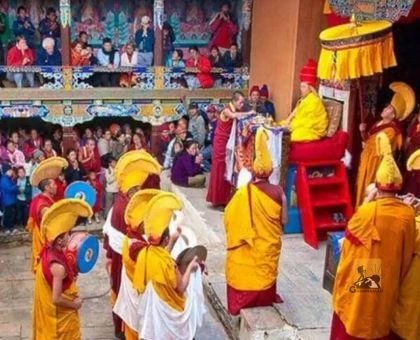
The Everest region is home to the Sherpa community, known worldwide for their mountaineering skills, warm hospitality, and rich Buddhist traditions. During the trek, travelers encounter colorful prayer flags, ancient monasteries, mani walls, chortens, and traditional stone villages.
Namche Bazaar serves as the cultural heart of the Khumbu region where trekkers can explore local markets, museums, cafes, and monasteries. Villages like Khumjung and Dole provide insight into traditional Sherpa lifestyles and Himalayan farming practices.
Trekkers may also experience local festivals, Buddhist rituals, yak caravans, and authentic mountain hospitality throughout the journey.
Transportation Details
The trek begins with a scenic 35–40 minute flight from Kathmandu to Lukla, covering approximately 138 kilometers. Lukla Airport is famous for its dramatic mountain runway and breathtaking Himalayan views.
From Lukla, the trekking journey continues on foot through the Everest region. After completing the trek, travelers return to Lukla and take a flight back to Kathmandu.
Flight schedules may change depending on mountain weather conditions, so travelers are advised to keep an extra buffer day in their itinerary.
Safety and Travel Tips
- Acclimatize properly to avoid altitude sickness
- Drink plenty of water and stay hydrated throughout the trek
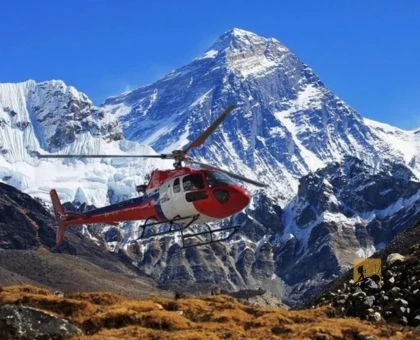
- Carry travel insurance covering emergency helicopter rescue
- Pack warm clothing, trekking boots, gloves, and layered gear
- Follow guide instructions and walk at a steady pace
- Bring essential medicines and personal first aid supplies
- Weather in the Himalayas changes quickly, so prepare accordingly
- Trekking permits are mandatory for the Everest region
- Hiring an experienced guide enhances safety and cultural experience
Why Book with Us – Ghumnajaau?
- Experienced and licensed local trekking guides
- Strong focus on safety, altitude care, and traveler comfort
- Affordable and transparent pricing with no hidden costs
- Personalized support before and during the trek
- Responsible tourism supporting local communities and culture
Ready to experience the breathtaking beauty of the Everest region? Join the Everest Gokyo Lake Trek with Ghumnajaau and create unforgettable memories among the world’s highest mountains. Whether you are a solo traveler, couple, family, or adventure group, our experienced local team is ready to make your Himalayan journey safe, comfortable, and truly extraordinary.
Book your Everest Gokyo Lake Trek today and discover the magic of the Himalayas with us!