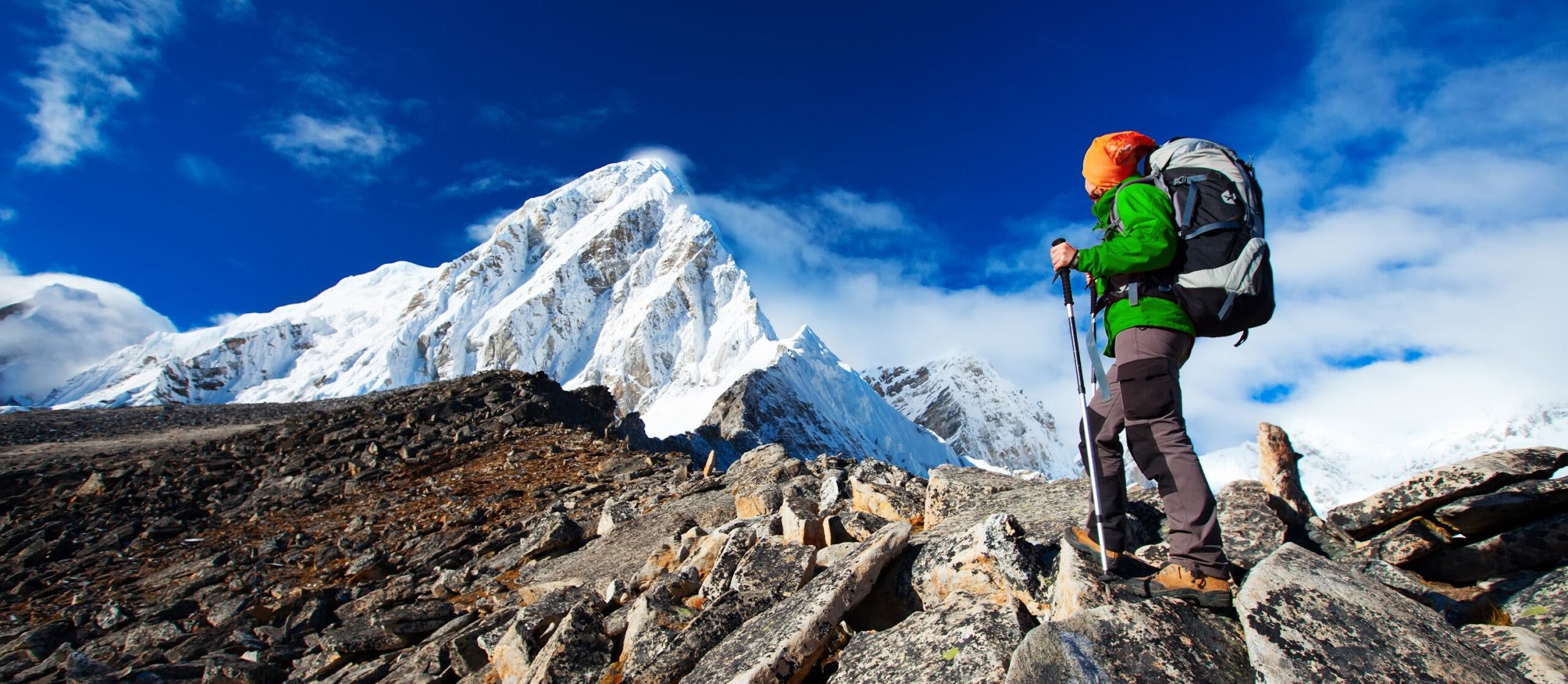
How to Prepare for Your First Trek in Nepal: 10 Essential Tips

How to Prepare for Your First Trek in Nepal: 10 Essential Tips
Sep 28, 2026 Nir Saru
Planning your first trek in Nepal? From choosing the right route to gear, fitness, altitude and safety, our guide helps you prepare with confidence. Ready for the Himalayas? Plan your trek with Ghumnajaau!

How to Prepare for Your First Trek in Nepal? 


Planning your first trek in Nepal is an exciting way to experience the Himalayas, discover mountain communities, and enjoy some of the world's most spectacular landscapes.


Whether you're a domestic traveler exploring Nepal for the first time or an international visitor dreaming of walking among the world's highest peaks, thoughtful preparation will help you trek more safely, comfortably, and confidently.


Nepal offers trekking routes for different fitness levels, timeframes, and interests-from short Himalayan hikes to challenging high-altitude adventures. Choosing the right route, preparing physically, packing the right equipment, and understanding altitude are the foundations of a successful trek.


In this guide, you'll discover 10 essential Nepal trekking tips to help you prepare for your first Himalayan adventure.

Why Preparation Matters for Your First Trek in Nepal

Trekking is different from a typical holiday. Depending on your route, you may walk for several hours each day, climb and descend uneven mountain trails, experience rapidly changing weather, and stay in basic accommodation.


Before choosing a trekking route in Nepal, consider your:

   ☐ Fitness level

   ☐ Hiking experience

   ☐ Available time

   ☐ Maximum trekking altitude

   ☐ Preferred level of comfort

   ☐ Interest in culture, scenery, or adventure


The right trek should provide an enjoyable challenge without being unnecessarily overwhelming. Good preparation allows you to focus less on logistical concerns and more on enjoying the mountains, villages, landscapes, and local culture.

10 Essential Tips for Your First Trek in Nepal
Choose the Right Trek for Your Fitness and Experience

One of the most important parts of trekking preparation in Nepal is choosing a route that matches your fitness, experience, available time, and preferred level of comfort.


Nepal has trekking options ranging from relatively easy short treks to demanding high-altitude adventures. For a first trek, you could consider:


Ghorepani–Poon Hill – A popular introduction to Himalayan trekking, known for spectacular sunrise views and panoramic mountain scenery.


Langtang Valley Trek – A rewarding journey combining mountain landscapes, traditional villages, local culture, and Himalayan scenery.


Everest Base Camp Trek – A longer and more demanding adventure that can be undertaken by beginners with appropriate physical preparation and a well-planned itinerary.


Consider how many hours you can comfortably walk each day and whether you are prepared for repeated uphill and downhill sections.


Don't choose a trek simply because it is famous. Choose a route that matches your current ability, experience, interests, and available time.

Choose the Best Season for Trekking in Nepal

Weather can have a major impact on your trekking experience. Choosing the right season can improve trail conditions, mountain visibility, and overall comfort.


The main trekking seasons in Nepal are generally:


Spring: March to May

Spring brings relatively mild conditions, blooming rhododendrons, and generally good mountain views. It is one of the popular seasons for trekking in Nepal.


Autumn: September to November

Autumn generally offers pleasant trekking conditions, clearer skies, and excellent mountain visibility following the monsoon season.


Winter: December to February

Winter can be suitable for many lower-altitude treks, although temperatures can become very cold at higher elevations and snow may affect high passes and mountain routes.


Monsoon: June to August

The monsoon season can bring heavy rainfall, slippery trails, clouds, and transportation disruptions. However, some rain-shadow destinations can still be suitable for trekking during this period.


Always check the latest weather, trail, transportation, and local conditions before departure.

Start Your Physical Preparation Early

You don't need to be an athlete to enjoy trekking in Nepal, but preparing your body beforehand can make long walking days much more comfortable.

Start your training several weeks before your trek and gradually increase the duration and intensity.

Focus on:

   ☐ Walking or hiking regularly

   ☐ Running, cycling, or swimming for cardiovascular fitness

   ☐ Squats and lunges for leg strength

   ☐ Core exercises for stability

   ☐ Stretching or yoga for flexibility

   ☐ Longer weekend walks to build endurance


A simple training routine can include 30–60 minutes of aerobic exercise 3–5 times per week, combined with strength training 2–3 times per week, depending on your current fitness and the difficulty of your trek.

If possible, practice on hills or trails rather than only walking on flat roads.


The goal isn't to become extremely fit overnight. Instead, gradually prepare your body for long walking days, uphill sections, downhill terrain, and repeated physical activity.

Pack the Right Trekking Gear and Clothing

Having the right trekking gear for Nepal can make a significant difference to your comfort and safety.

Rather than carrying unnecessary items, focus on practical equipment suited to your route, season, and altitude.


Clothing

Use layers so you can adjust to changing temperatures:

   ☐ Moisture-wicking base layer

   ☐ Fleece or warm insulating layer

   ☐ Waterproof and windproof jacket

   ☐ Comfortable trekking trousers

   ☐ Warm hat and gloves

   ☐ Sun hat or cap

   ☐ Good-quality trekking socks

   ☐ Sunglasses

   ☐ Comfortable, broken-in trekking shoes or boots

Avoid wearing brand-new footwear on the first day of your trek. Test your shoes before departure to reduce the risk of blisters and discomfort.


Essential Trekking Equipment

Depending on your route, consider carrying:

   ☐ Comfortable backpack

   ☐ Trekking poles

   ☐ Reusable water bottles

   ☐ Water purification tablets or filter

   ☐ Headlamp

   ☐ Personal first-aid kit

   ☐ Sunscreen and lip balm

   ☐ Personal medications

   ☐ Power bank

   ☐ Rain cover

   ☐ Basic toiletries

   ☐ Energy snacks


Your local trekking guide or trekking company can also provide a route-specific packing list based on the season, altitude, accommodation, and trekking conditions.

Eat Well and Stay Hydrated

Trekking requires considerable energy, particularly during long uphill sections and high-altitude walking. Regular meals and adequate hydration are therefore an important part of trekking preparation.


During your trek, choose meals that provide a balance of carbohydrates, protein, and healthy fats.


Common trekking foods such as dal bhat, rice, vegetables, noodles, soups, eggs, and other local meals can provide useful energy during long walking days.


You can also carry convenient snacks such as:

   ☐ Nuts

   ☐ Dried fruits

   ☐ Energy bars

   ☐ Chocolate

   ☐ Biscuits


Drink water regularly rather than waiting until you become very thirsty.


Water availability varies between trekking routes, so carry enough water for your planned walking day and use an appropriate purification method when necessary.


Never assume that untreated natural water is safe simply because it looks clean.

Understand Altitude and Acclimatization

Altitude is one of the most important things first-time trekkers should understand before trekking in Nepal.

As you climb higher, atmospheric pressure decreases and less oxygen is available. Some trekkers may

experience altitude-related symptoms such as:

   ☐ Headache

   ☐ Dizziness

   ☐ Nausea

   ☐ Unusual tiredness

   ☐ Loss of appetite


A well-planned itinerary allows your body time to adjust to increasing elevation.


Basic altitude and acclimatization tips:

   ☐ Ascend gradually.

   ☐ Follow planned acclimatization days.

   ☐ Drink water regularly.

   ☐ Avoid alcohol during acclimatization.

   ☐ Pay attention to unusual symptoms.

   ☐ Tell your guide immediately if you feel unwell.

   ☐ Don't continue ascending if you are experiencing serious symptoms.

   ☐ Follow professional medical advice when necessary.


Acclimatization is not a wasted day. It is an important part of responsible high-altitude trekking in Nepal.

Arrange Permits, a Guide and Safety Support

Depending on your trekking destination, you may need specific permits and documentation.

Permit requirements can vary according to the trekking region and current regulations, so check the latest requirements before travelling.

For first-time trekkers, working with an experienced local guide or registered trekking company can simplify:

   ☐ Route planning

   ☐ Permit arrangements

   ☐ Accommodation

   ☐ Local transportation

   ☐ Weather and trail updates

   ☐ Altitude management

   ☐ Emergency coordination

A local guide can also provide valuable insight into Nepal's villages, culture, traditions, history, and natural environment.


Before starting your trek, share your itinerary and expected return date with family or someone you trust.

Get Travel Insurance and Prepare for Emergencies

Travel insurance is an important part of trekking preparation, particularly for higher-altitude routes.

Before purchasing a policy, carefully check whether it covers:

   ☐ Trekking activities

   ☐ The maximum altitude of your planned route

   ☐ Emergency medical treatment

   ☐ Emergency evacuation, where applicable

   ☐ Trip interruption or cancellation


Keep digital and printed copies of your passport, insurance policy, permits, emergency contacts, and other important travel documents.


Also save the contact details of your guide, trekking company, accommodation, and relevant emergency services.


Good preparation means knowing what to do before an emergency happens.

Respect Local Culture and Protect Nature

A trek in Nepal is not only a journey through the mountains. It is also an opportunity to experience local communities, traditions, religious sites, and ways of life.


Simple and respectful actions can make your journey more meaningful.


When Visiting Local Communities

   ☐ Greet people politely - “Namaste” is always appreciated.

   ☐ Ask permission before photographing people.

   ☐ Follow local customs and dress appropriately at religious sites.

   ☐ Respect temples, monasteries, and other sacred places.

   ☐ Listen to your guide about local traditions.

   ☐ Avoid unnecessary noise.


Protect the Environment

   ☐ Carry reusable water bottles.

   ☐ Avoid single-use plastics where possible.

   ☐ Take your rubbish with you.

   ☐ Stay on designated trails.

   ☐ Avoid disturbing wildlife.

   ☐ Use water responsibly.

   ☐ Respect forests, rivers, and local landscapes.


Responsible travel helps protect Nepal's natural and cultural heritage for future generations.

Know What to Expect on Your First Trek

Your first trek may be different from what you imagine. Understanding what to expect can help you prepare mentally as well as physically.


You can expect:

   ☐ Early mornings

   ☐ Several hours of walking

   ☐ Uphill and downhill sections

   ☐ Changing weather

   ☐ Basic accommodation on many routes

   ☐ Simple local meals

   ☐ Limited facilities in remote areas

   ☐ Tired legs at the end of the day

   ☐ Beautiful mountain and village scenery

   ☐ Friendly interactions with local communities


Some days will feel easy, while others may feel physically demanding.


Don't compare your walking speed with other trekkers. Walk at a comfortable pace, take regular breaks, and communicate openly with your guide.


Your first trek isn't simply about reaching the destination. Take time to enjoy the journey, scenery, culture, and people you meet along the way.

First Trek Checklist

Before leaving for your first trek in Nepal, use this simple checklist:

☐ Choose a route suitable for your fitness and experience
☐ Check the trekking season and latest weather conditions
☐ Complete several weeks of physical preparation
☐ Test your trekking shoes before departure
☐ Prepare suitable layered clothing
☐ Pack a suitable backpack and essential equipment
☐ Carry sufficient water and purification supplies
☐ Prepare snacks and personal medicines
☐ Check permits and required documents
☐ Arrange appropriate travel insurance
☐ Understand altitude and acclimatization
☐ Share your itinerary with family or friends
☐ Save emergency and guide contact numbers
☐ Respect local culture and communities
☐ Follow responsible and Leave No Trace principles

Frequently Asked Questions

What is the best trek in Nepal for a first-time trekker?


There is no single trek that is perfect for every first-time trekker. Your choice should depend on your fitness, available time, preferred scenery, altitude tolerance, and trekking experience.

Ghorepani–Poon Hill and Langtang Valley can provide rewarding introductions to Himalayan trekking, while Everest Base Camp requires greater preparation because of its longer duration and higher altitude.


What is the best time for trekking in Nepal?


Spring (March–May) and autumn (September–November) are traditionally popular trekking seasons because of generally favorable weather and mountain visibility.

However, conditions vary by region and altitude, so check the latest weather and trail information before departure.


How fit do I need to be for trekking in Nepal?


The required fitness level depends on your chosen route.

You should be comfortable walking for several hours and handling uphill and downhill terrain. Regular walking, hiking, cardiovascular exercise, and basic strength training can help you prepare.


Do I need a guide for my first trek in Nepal?


Guide requirements vary by trekking region and current regulations.

Even where independent trekking is permitted, an experienced local guide can assist with route planning, permits, safety, accommodation, local culture, and changing trail conditions.


How can I prevent altitude sickness?


The main principles include gradual ascent, appropriate acclimatization, staying hydrated, listening to your body, and responding appropriately to symptoms.


If you experience concerning symptoms, inform your guide immediately and seek appropriate medical advice rather than continuing to ascend.

Ready to Book Your Nepal Adventure?

Your first trek in Nepal should be exciting - not stressful. Let Ghumnajaau Pvt. Ltd. take care of the details while you focus on enjoying the journey.


Whether you're dreaming of Everest Base Camp, Annapurna, Langtang, a short Himalayan trek, or a completely customized Nepal adventure, our professional local team can help you choose the right itinerary, arrange permits and transportation, organize experienced guides, and provide reliable support throughout your trip.


Plan Your Trek with Ghumnajaau


Why plan with us?

   ☐ Carefully planned trekking and tour itineraries

   ☐ Professional local guides and trekking support

   ☐ Customized trips based on your time, interests and fitness

   ☐ Assistance with permits and travel arrangements

   ☐ Local knowledge and personalized support

   ☐ Responsible travel experiences that respect Nepal's people and nature


Ready to take your first step into the Himalayas?


👉 Contact Ghumnajaau Pvt. Ltd. today to plan and book your trek, tour, or customized Nepal itinerary.


Tell us where you want to go, how much time you have, and what kind of experience you're looking for—we'll help you turn your Nepal travel plans into an unforgettable journey.


Ghumnajaau Pvt. Ltd.

Explore Nepal Together.


Start planning your Nepal adventure today. Contact us to book your trek or request a customized itinerary.