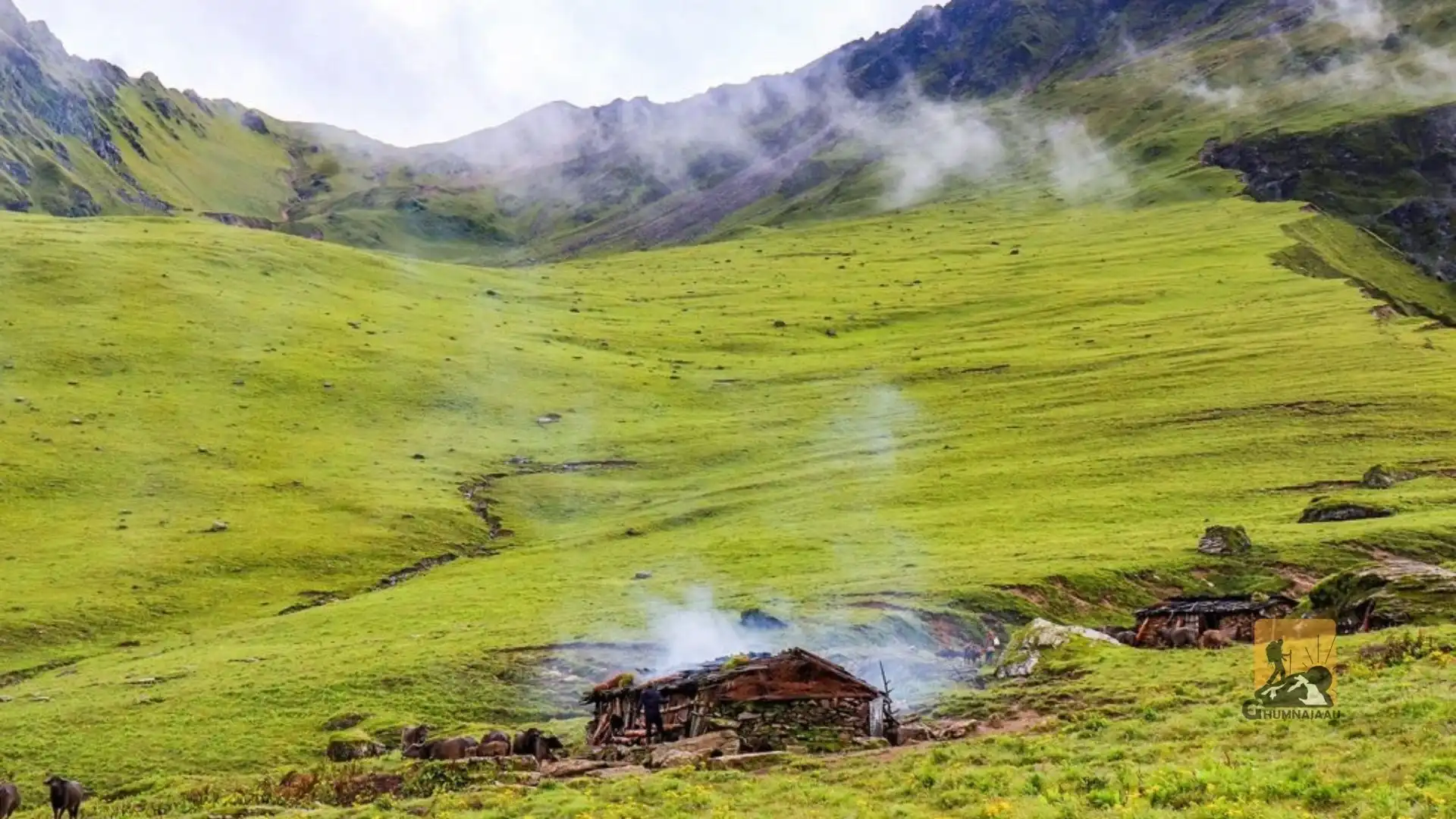
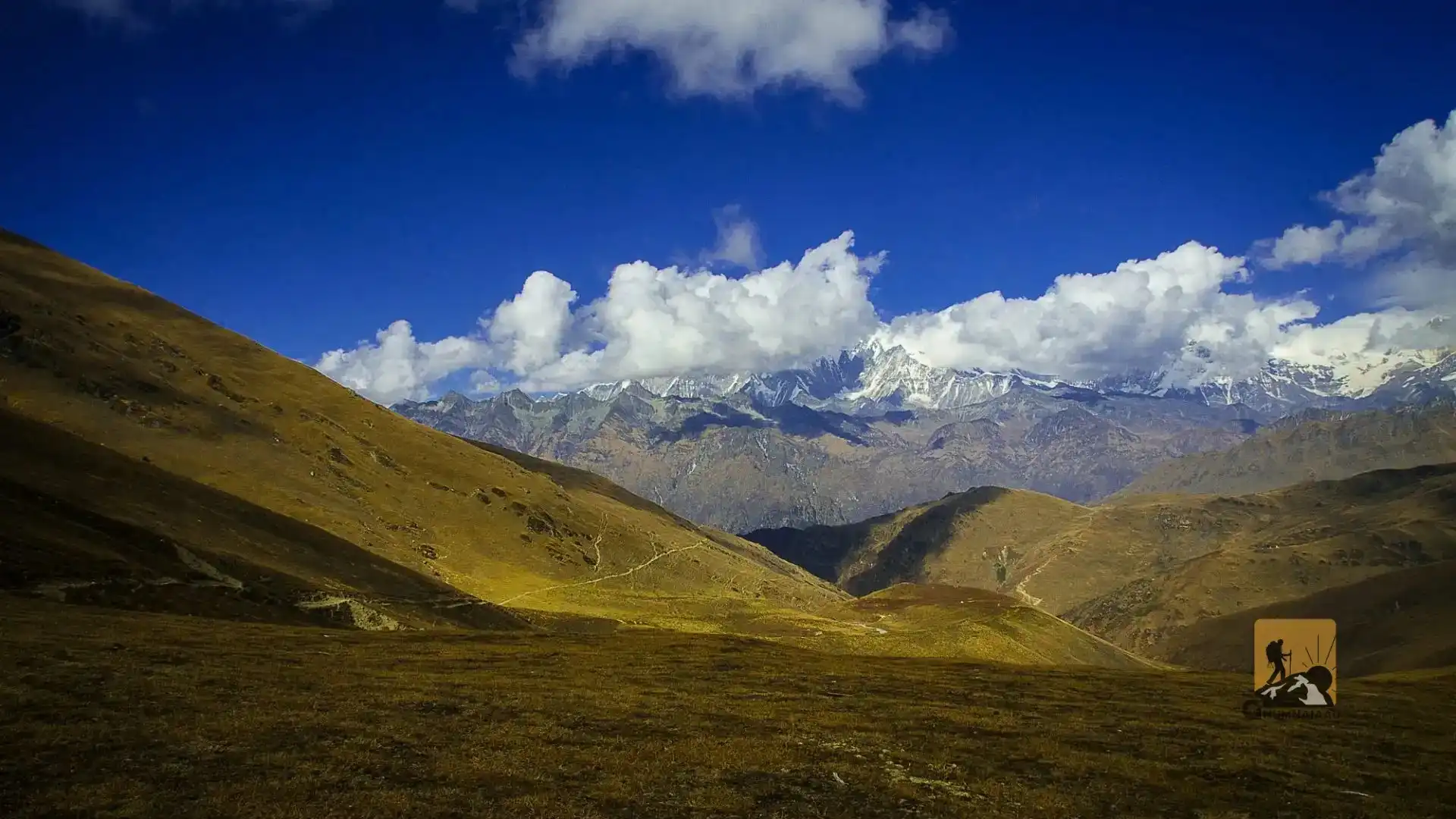
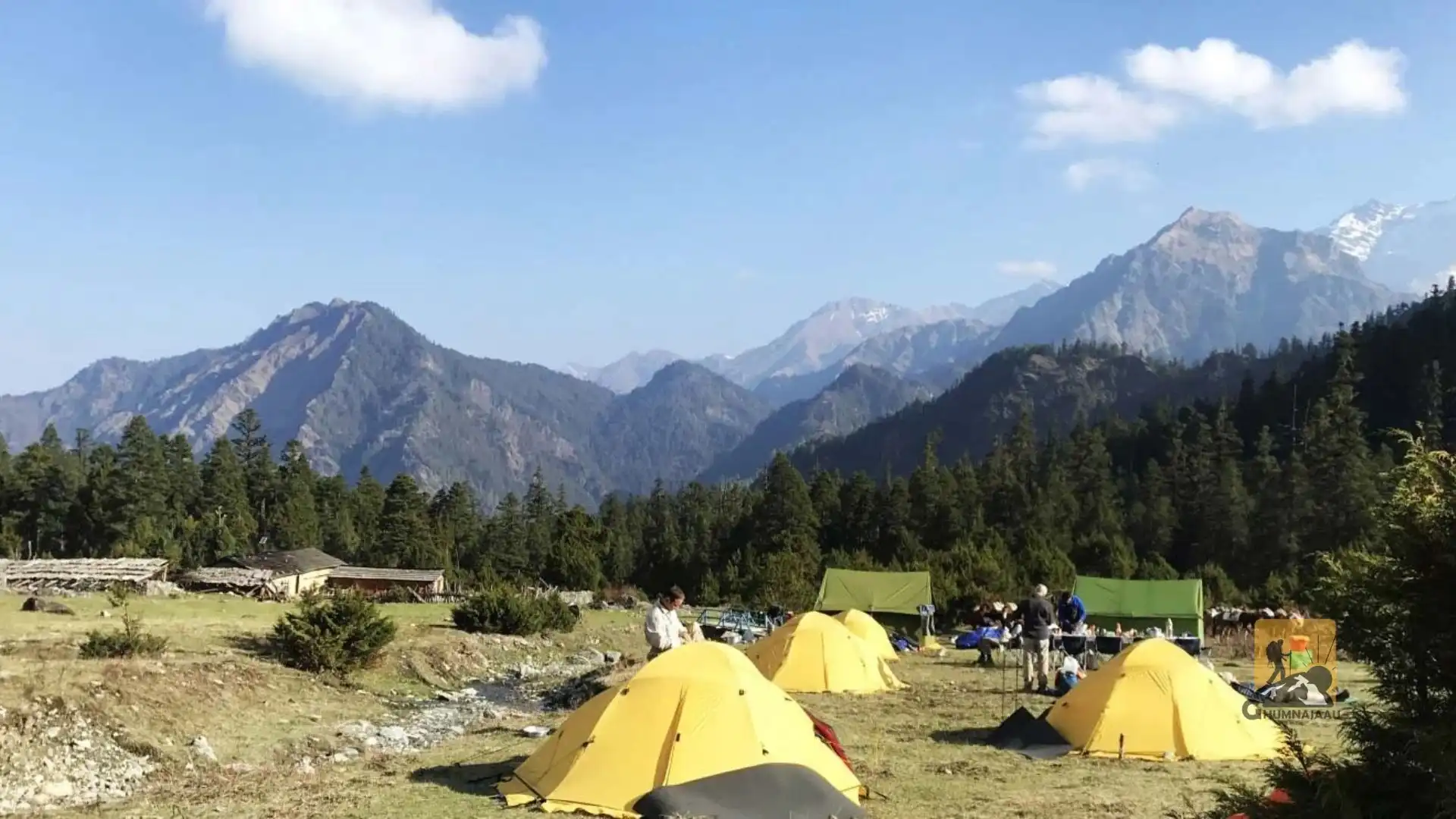
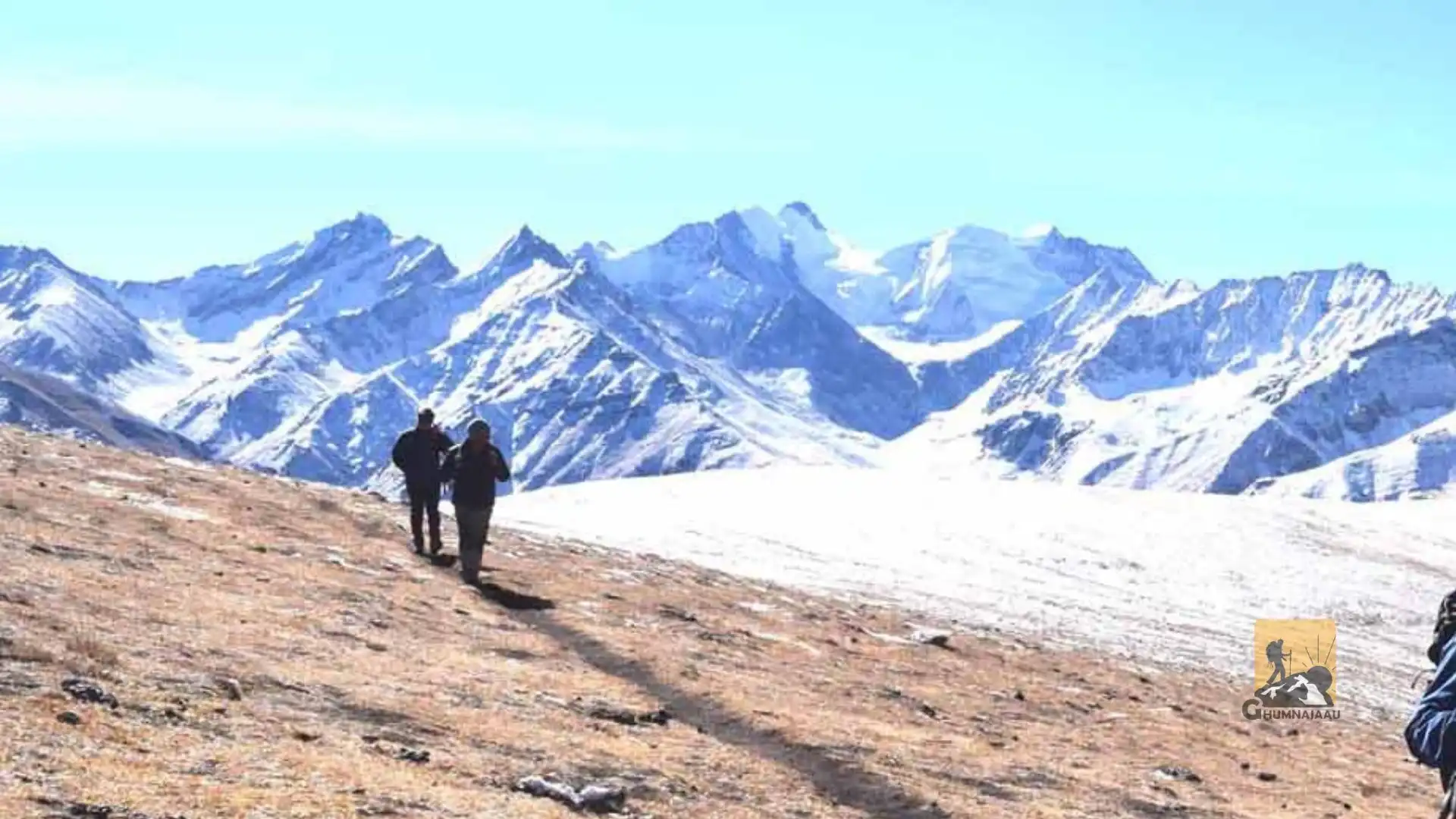
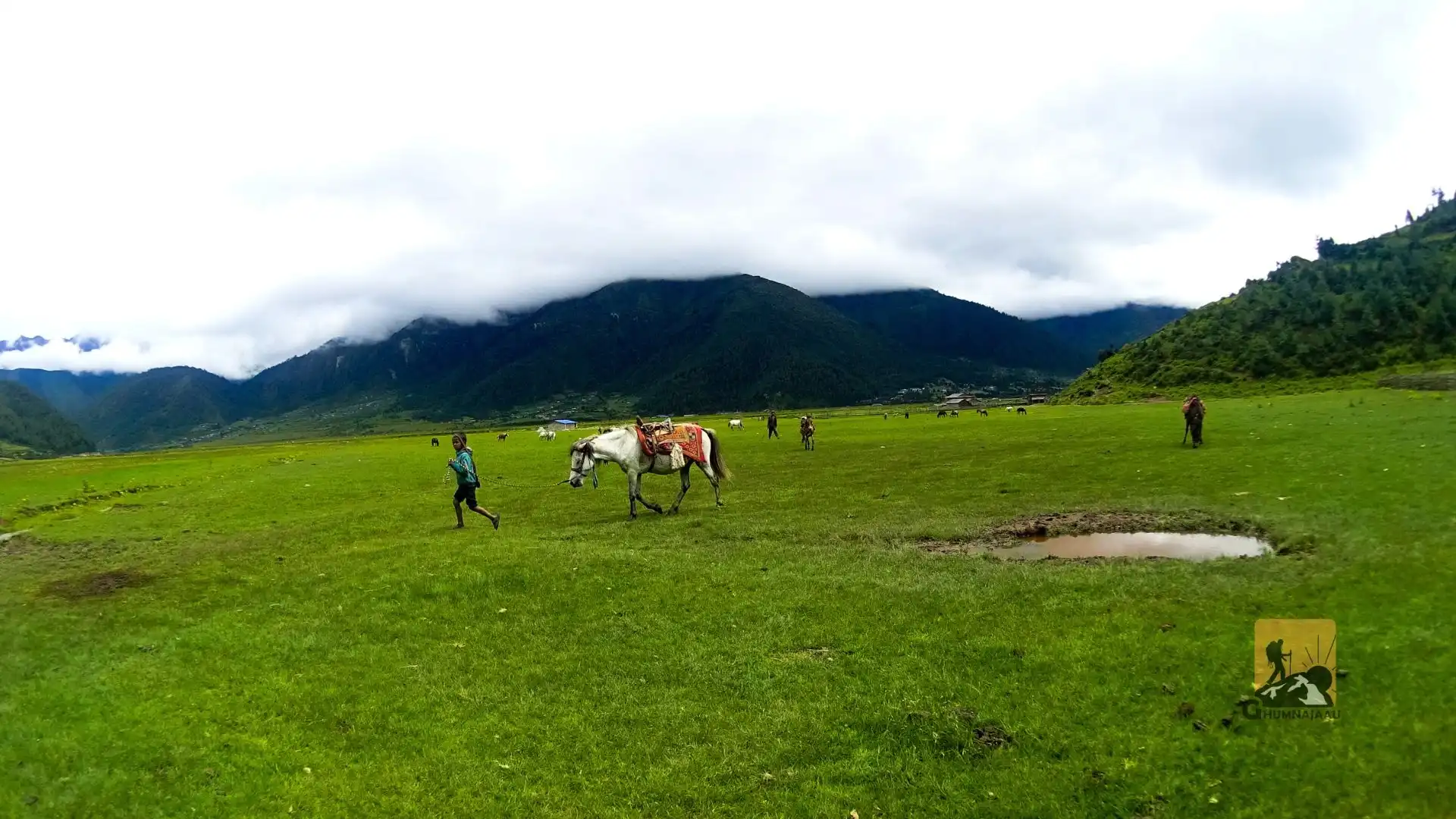
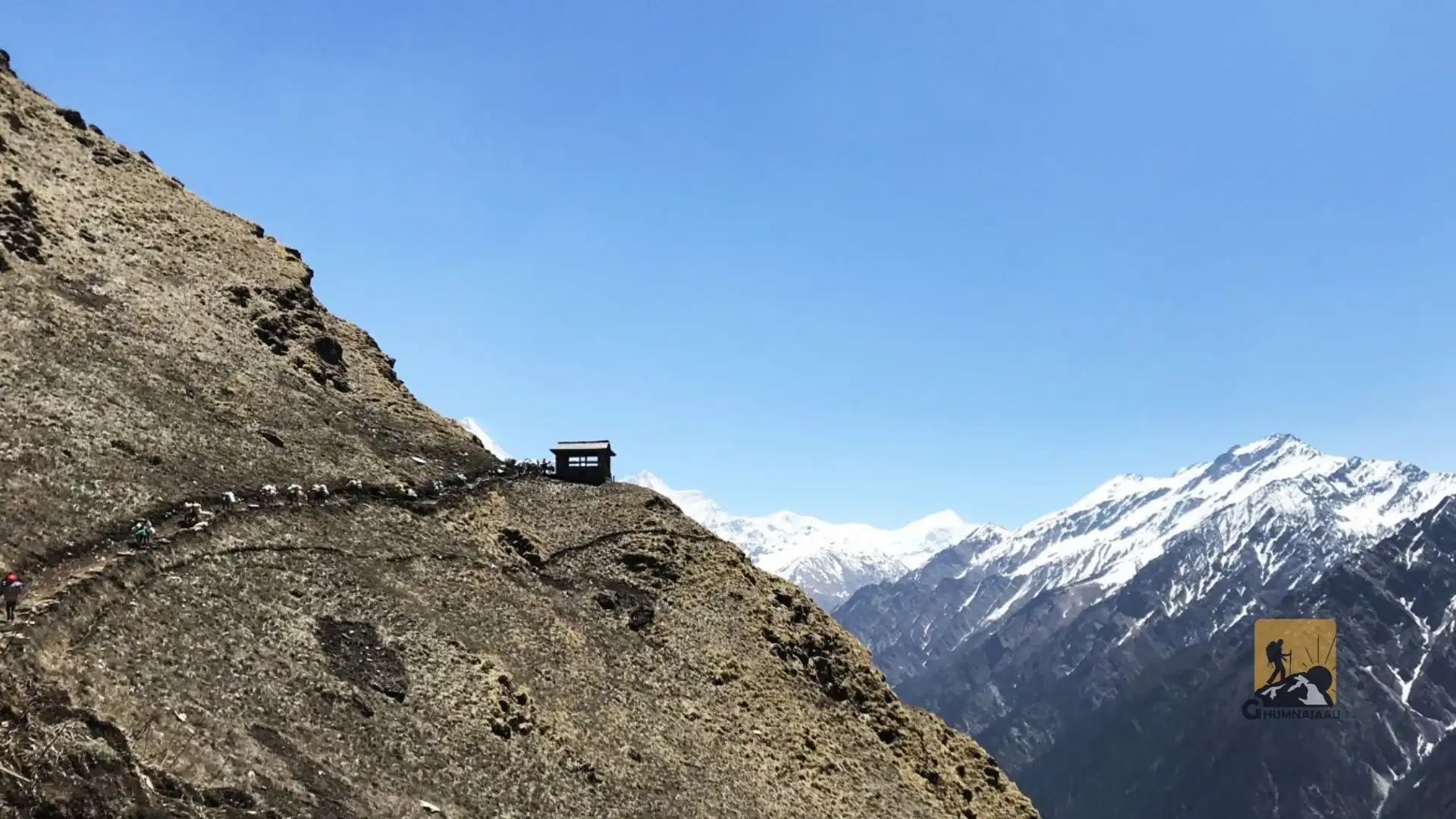


The Dhorpatan dhorpatan-to-dolpo-trek to Dolpo Trek is a hidden Himalayan journey designed for true adventure seekers who dream of exploring Nepal beyond crowded trekking routes. From the lush forests of Jaljala and the untouched wilderness of Dhorpatan Wildlife Reserve to the rugged landscapes of Dolpo, this extraordinary trek offers breathtaking mountain scenery, peaceful alpine valleys, Tibetan-influenced villages, and authentic cultural encounters. With remote trails, dramatic high passes, and serene wilderness, the trek delivers a rare opportunity to experience the raw beauty and timeless traditions of western Nepal.
The Dhorpatan to Dolpo Trek is one of Nepal’s most rewarding wilderness adventures, connecting the beautiful Jaljala and Dhorpatan regions with the mystical landscapes of Dolpo. This remote camping trek takes travelers deep into the untouched Himalayas, where nature, culture, and adventure blend perfectly.
The journey begins from Kathmandu and Pokhara before driving toward the remote village of Sibang. As the trek gradually ascends through terraced hills, traditional villages, dense rhododendron forests, and alpine landscapes, trekkers reach the stunning Jaljala region with incredible mountain panoramas. Crossing into the Dhorpatan area, trekkers explore Nepal’s only hunting reserve, famous for Himalayan blue sheep, musk deer, pheasants, and pristine high-altitude biodiversity. The trail continues through isolated valleys, peaceful rivers, yak pastures, and rugged mountain terrain toward the remote Dolpo region. One of the major highlights of the trek is crossing the spectacular Jang La Pass (4,519m), which rewards trekkers with breathtaking Himalayan views and dramatic barren landscapes typical of Dolpo. Along the route, travelers encounter Tibetan Buddhist culture, ancient monasteries, prayer flags, mani walls, and centuries-old mountain settlements untouched by modernization.
Unlike popular trekking routes, the Dhorpatan to Dolpo Trek offers true solitude and authentic Himalayan exploration. It is an ideal adventure for trekkers seeking remote wilderness, raw natural beauty, rich cultural immersion, and a genuine off-the-beaten-path experience in Nepal.
The Dhorpatan to Dolpo Trek stands out as one of Nepal’s most unique and least-explored trekking adventures. Unlike commercial trekking routes, this trail offers complete tranquility, remote landscapes, and authentic cultural encounters.
What Makes This Trek Special?
|
Day |
Route |
Elevation |
Duration |
|
Day 01 |
Arrival in Kathmandu |
1,350m / 4,429ft |
Arrival |
|
Day 02 |
Kathmandu to Pokhara |
822m / 2,697ft |
5–6 hrs |
|
Day 03 |
Pokhara – Darbang – Sibang |
1,680m / 5,511ft |
6–7 hrs |
|
Day 04 |
Trek to Lamsung |
2,160m / 7,086ft |
6–7 hrs |
|
Day 05 |
Trek to Jaljala |
3,386m / 11,109ft |
6–7 hrs |
|
Day 06 |
Trek to Dhorpatan |
2,870m / 9,416ft |
5–6 hrs |
|
Day 07 |
Trek to Thankur via Fagune Lekh |
4,060m / 13,320ft |
7–8 hrs |
|
Day 08 |
Trek to Tatopani/Jharlung |
2,360m / 7,742ft |
6 hrs |
|
Day 09 |
Trek to Dhule |
3,300m / 10,827ft |
7 hrs |
|
Day 10 |
Trek to Seng Khola |
3,990m / 13,091ft |
6 hrs |
|
Day 11 |
Trek to Purbang |
4,065m / 13,336ft |
6 hrs |
|
Day 12 |
Trek to Tarakot via Jang La Pass |
4,519m / 14,826ft |
7–8 hrs |
|
Day 13 |
Trek to Dunai |
2,096m / 6,876ft |
6–7 hrs |
|
Day 14 |
Trek to Juphal |
2,475m / 8,120ft |
3 hrs |
|
Day 15 |
Fly to Kathmandu via Nepalgunj |
— |
Full day |
|
Day 16 |
Rest Day in Kathmandu |
1,350m / 4,429ft |
Leisure |
|
Day 17 |
Final Departure |
— |
Departure |
The Dhorpatan to Dolpo Trek is considered a moderately challenging to difficult camping trek suitable for physically fit trekkers with prior hiking experience.
Trekkers should be prepared for:
Good cardiovascular fitness, mental endurance, and proper acclimatization are essential. Altitude sickness can occur near high passes, so gradual ascent and hydration are important throughout the trek.
This trek is primarily a fully supported camping trek with occasional lodge or teahouse stays in villages like Juphal and Kathmandu.
Accommodation
Meals
Nutritious meals are prepared by the camping crew and typically include:
Facilities
The Dhorpatan to Dolpo Trek offers a remarkable cultural journey through remote Himalayan communities influenced by both Hindu and Tibetan Buddhist traditions.
Trekkers encounter:
The Dolpo region especially reflects Tibetan culture with colorful prayer flags, Buddhist rituals, and ancient trade routes that continue to shape local life today.
The trek begins with either a scenic drive or flight from Kathmandu to Pokhara. From Pokhara, travelers drive via Beni and Darbang to reach Sibang, the trek starting point.
Transportation Breakdown
Transportation may vary depending on weather and road conditions in remote mountain regions.
Book your Dhorpatan to Dolpo Trek now and explore one of Nepal’s last hidden Himalayan adventures!
Your arrival in Kathmandu marks the beginning of your Himalayan adventure. Our representative will meet you at Tribhuvan International Airport and transfer you to your hotel. After check-in, you’ll receive a briefing about the trek and upcoming schedule. Spend the evening resting or exploring the lively streets of Thamel.
Enjoy a scenic drive or short flight to the beautiful lake city of Pokhara. The road journey offers views of terraced hills, rivers, and charming countryside. In Pokhara, you can stroll around Phewa Lake or relax before your trek begins.
A long but rewarding drive takes you through Beni and Darbang to the small village of Sibang. The drive passes through rural hills, farm terraces, and riverside settlements, showcasing Nepal’s mid-hill lifestyle.
Your first trekking day begins through terraced farmlands, small villages, and serene landscapes. The route ascends gradually, offering peaceful trails alongside rivers and waterfalls before reaching the campsite at Lamsung.
Today’s trail ascends through dense forests and traditional settlements with panoramic views of Gurja Himal. Jaljala’s open meadow serves as a temporary summer settlement for herders and offers splendid mountain views.
Descend gradually to Dhorpatan, the gateway to Nepal’s only hunting reserve. This area is known for its rich biodiversity and traditional highland culture. Enjoy the serene valley setting upon arrival.
An adventurous day as you climb to Fagune Lekh at 4,060m, the first major high pass of the trek. Enjoy sweeping mountain views before descending to Thankur, surrounded by alpine wilderness.
The trail descends through forests and river valleys to reach Tatopani (natural hot spring area) or Jharlung. The route is peaceful and rich in natural beauty.
Today’s gradual climb leads you through remote landscapes, scattered villages, and alpine pastures. Dhule offers panoramic views and a calm camping atmosphere.
A steady ascent through high-altitude terrain brings you to Seng Khola. The area is surrounded by rugged cliffs and sparse vegetation, emphasizing the wild beauty of the region.
Continue your journey across remote highlands with a striking backdrop of Dolpo’s barren hills. This section of the trail offers solitude and untouched wilderness.
Cross the highest point of the trek—**Jang La Pass (4,519m)**—offering jaw-dropping Himalayan panoramas. After enjoying the views, descend to Tarakot, a culturally rich settlement on the banks of the Thuli Bheri River.
Follow the scenic river valley and small Magar and Tibetan-influenced villages to reach Dunai, the administrative center of Dolpo.
A short, pleasant walk brings you to Juphal, marking the end of your trekking journey. Spend the afternoon relaxing and reflecting on your adventure.
Take a morning flight from Juphal to Nepalgunj (40 minutes), then connect to Kathmandu (1 hour). Upon arrival, you’ll be transferred to your hotel.
Enjoy a well-earned rest day in Kathmandu. You may explore heritage sites, shop for souvenirs, or simply relax.
Your journey in Nepal concludes today. After breakfast, we’ll transfer you to the airport for your flight home, carrying unforgettable memories of the Dhorpatan to Dolpo Trek.
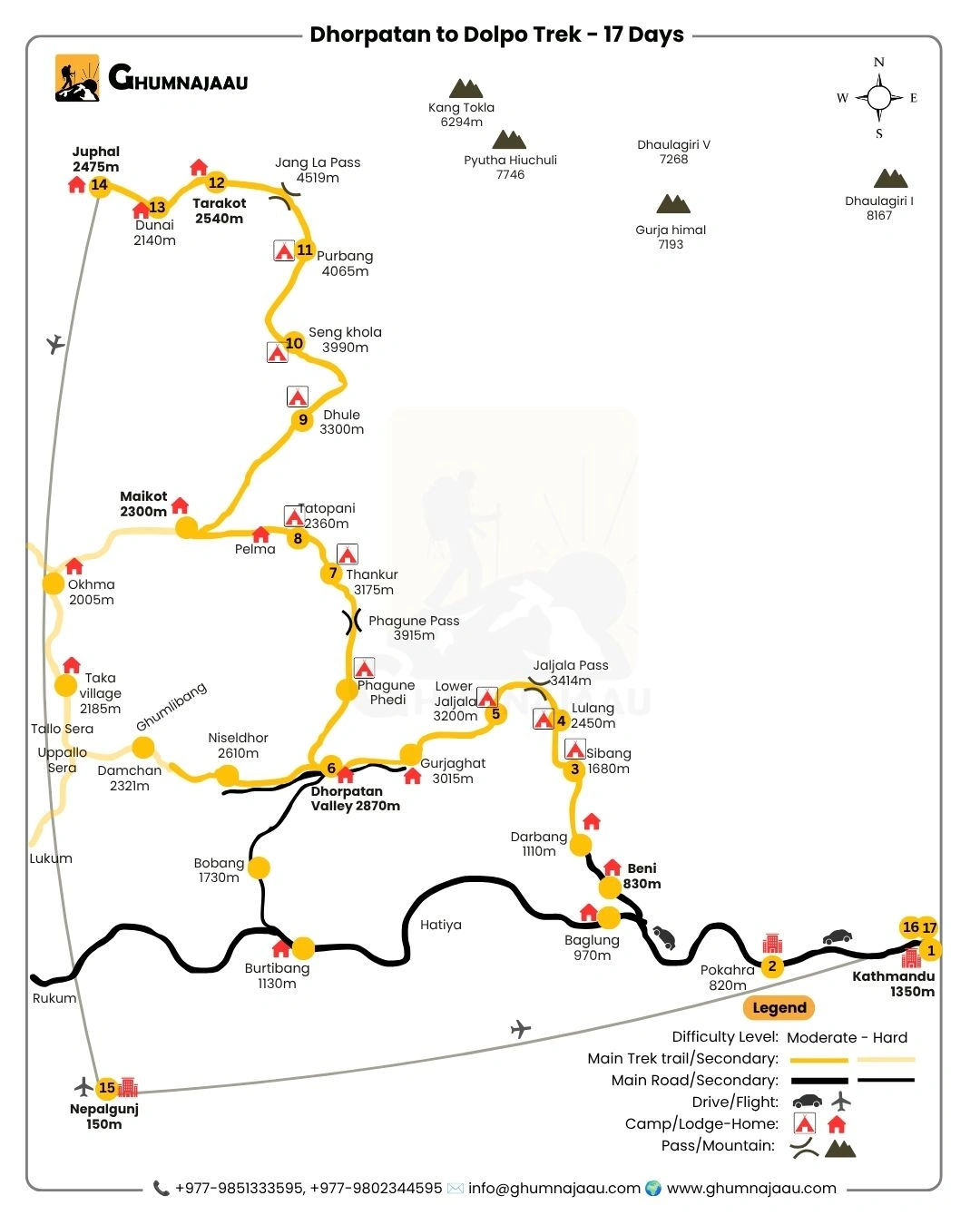
The trek is moderately difficult to challenging due to long walking days, high-altitude passes, and remote camping conditions.
The highest point is Jang La Pass at 4,519 meters (14,826 feet).
Previous high-altitude trekking experience is highly recommended for this remote expedition.
It is primarily a camping trek with limited teahouse/lodge accommodation in some villages.
Trekkers need permits for Dhorpatan Wildlife Reserve and Dolpo region trekking.
Spring (March–May) and autumn (September–November) are the best trekking seasons.
Yes, altitude sickness can occur above 3,500m, so proper acclimatization and hydration are essential.
Internet and charging facilities are limited and mostly available in larger villages.
Meals include Nepali, Tibetan, and basic international dishes prepared by the trekking crew.
This trek is better suited for experienced trekkers with good physical fitness and endurance.