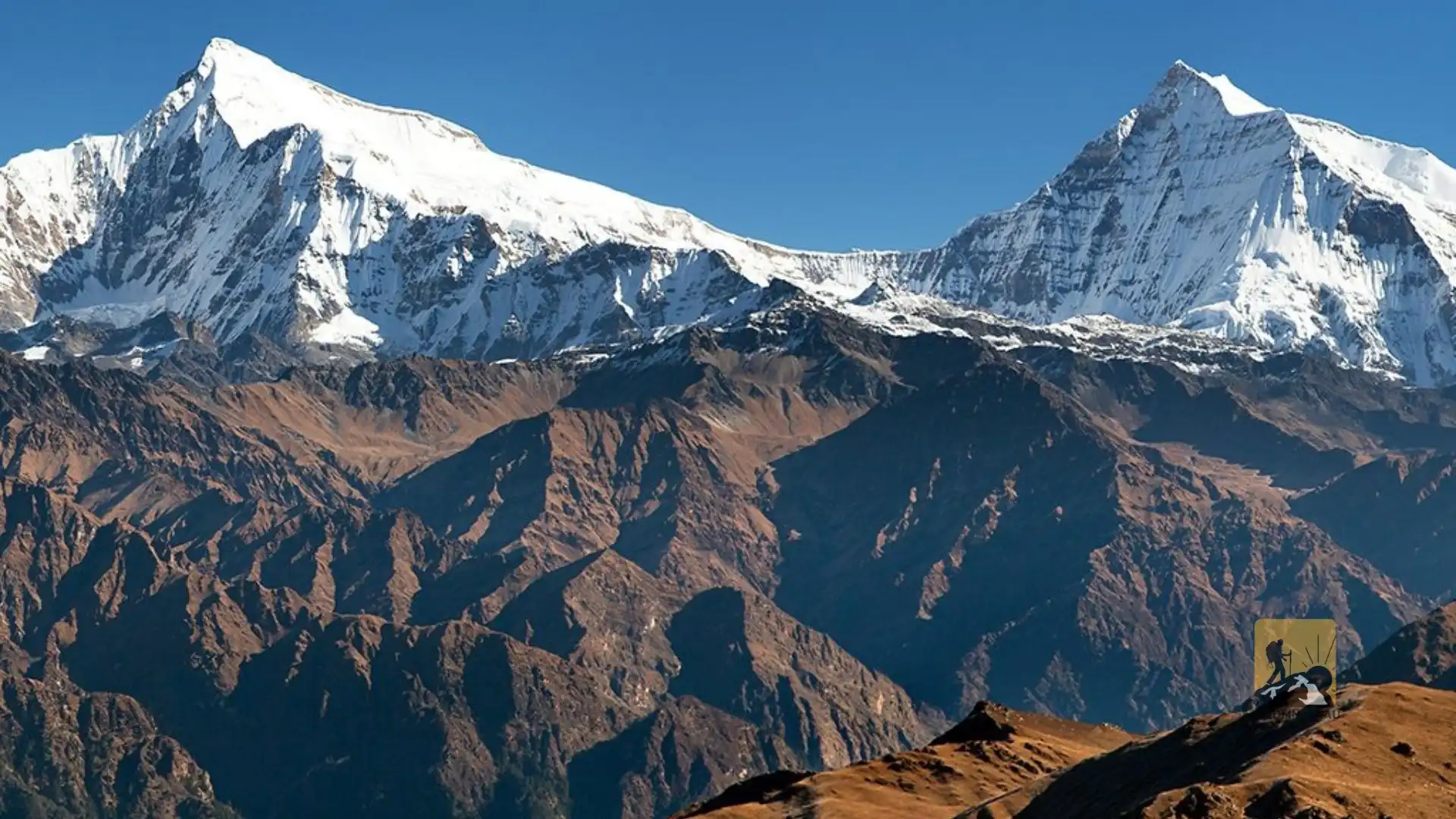
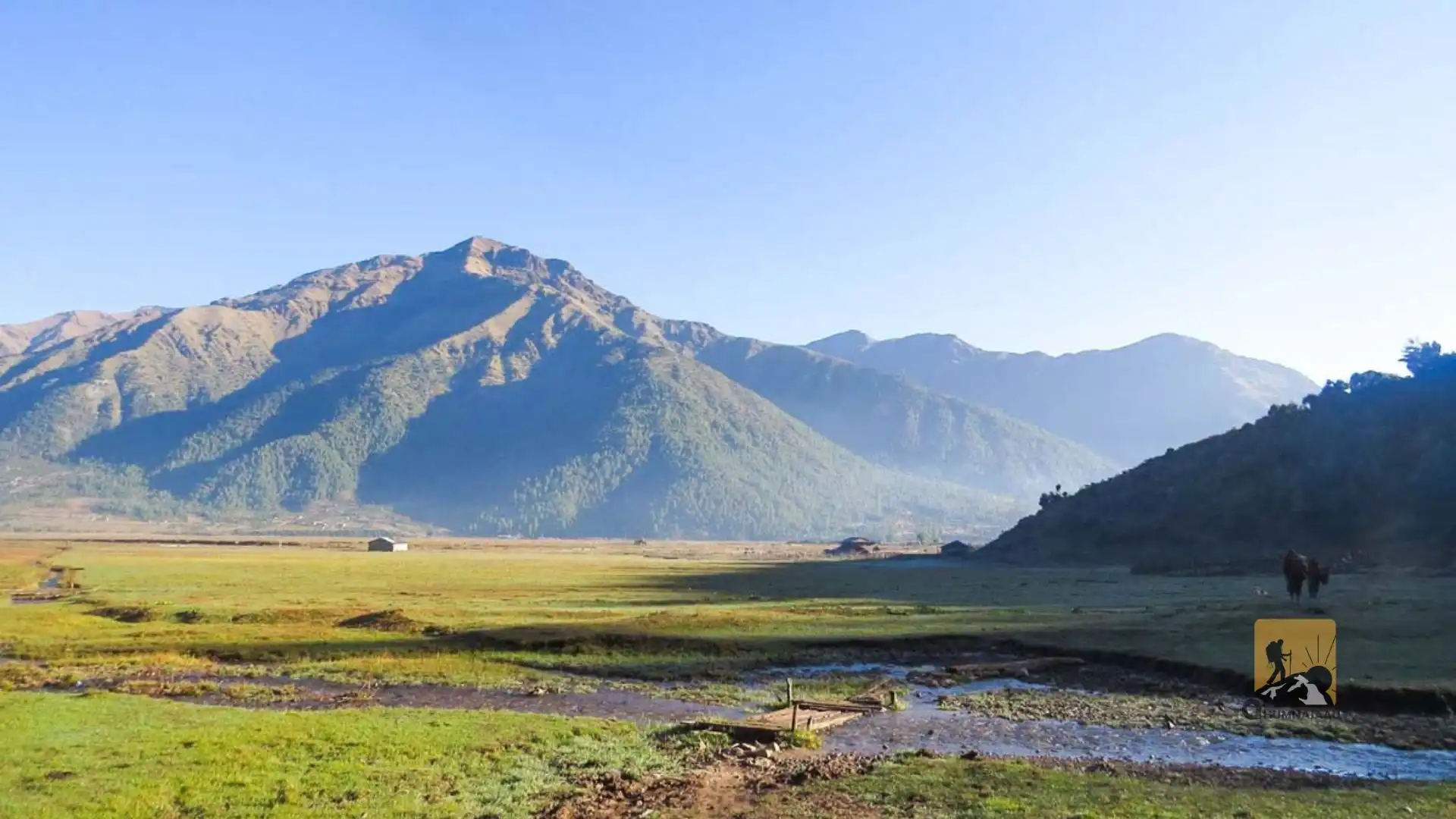


Hidden in the remote western Himalayas of Nepal, the Dhorpatan Trek is a peaceful journey through untouched landscapes, traditional mountain villages, and Nepal’s only hunting reserve. Far from crowded trekking trails, this offbeat adventure offers travelers a rare chance to experience authentic Himalayan culture, pristine forests, alpine meadows, and breathtaking mountain panoramas in complete tranquility. Perfect for nature lovers and adventure seekers, Dhorpatan Trek promises a deep connection with Nepal’s wild beauty and local traditions.
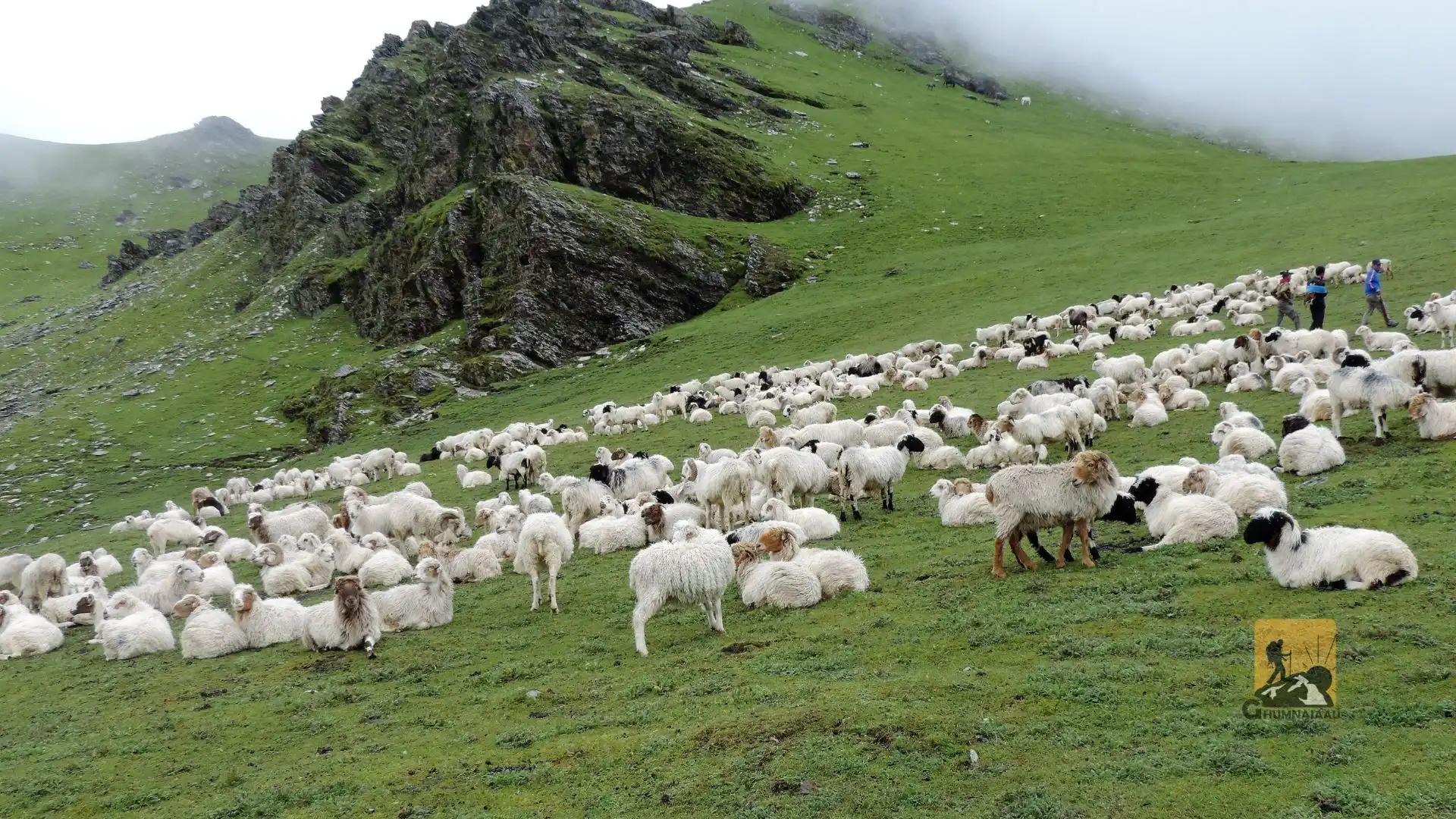
The Dhorpatan Trek is one of Nepal’s best hidden trekking adventures, combining wilderness, culture, and scenic mountain landscapes in the remote western region of the Himalayas. Located between the Dhaulagiri and Rukum regions, the trail passes through the famous Dhorpatan Hunting Reserve, Nepal’s only legal hunting reserve and an important habitat for blue sheep, Himalayan tahr, pheasants, and other rare wildlife species.
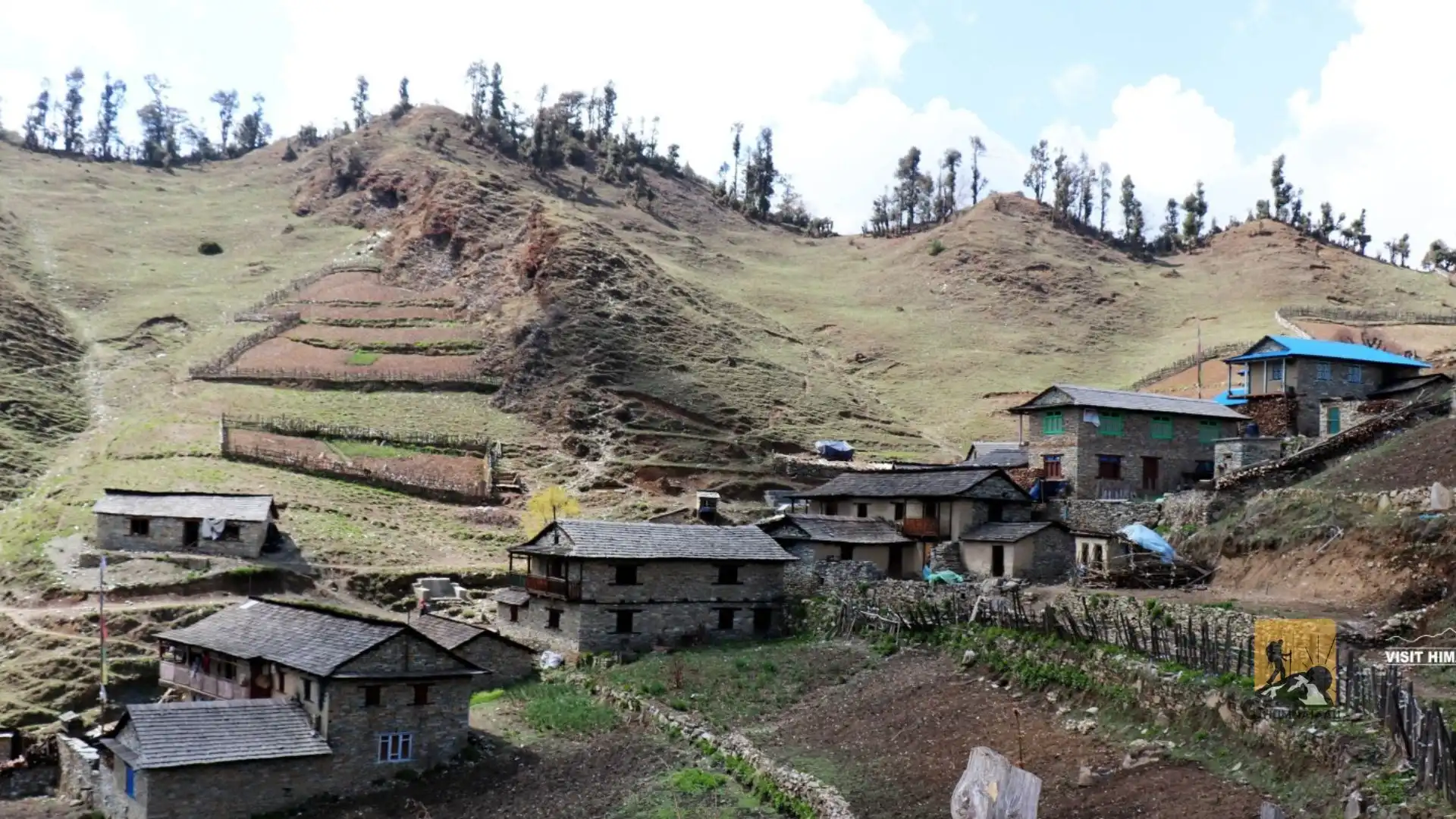
The journey begins with a scenic drive from Kathmandu to Pokhara and continues toward Darbang and the beautiful Magar village of Sibang. From here, trekkers enter peaceful forests filled with pine, rhododendron, and oak trees while gradually ascending toward Jaljala Pass. The route rewards travelers with spectacular mountain views, quiet alpine meadows, and untouched natural surroundings rarely found on popular trekking routes. As the trek continues toward Dhorpatan Valley, travelers encounter traditional settlements, grazing lands, rivers, and culturally rich communities. The region is deeply influenced by Magar culture, where visitors can experience local hospitality, traditional lifestyles, and authentic Himalayan village life.
Unlike commercial trekking regions, Dhorpatan offers a raw and peaceful trekking experience with fewer tourists, making it ideal for travelers seeking solitude, nature, and cultural immersion in Nepal’s hidden Himalayas.
The Dhorpatan Trek stands out as one of Nepal’s most unique and less-crowded trekking experiences. While many trekking routes focus only on mountains, Dhorpatan combines wildlife, culture, remote landscapes, and authentic village life in one unforgettable journey.
What makes this trek special:
Day 1: Kathmandu (1,350m/4,429ft) → Pokhara (822m/2,697ft) (200 km)/ 5–6 hours drive
Scenic drive through rivers, hills, terraced fields, and countryside villages.
Day 2: Pokhara → Darbang → Sibang Village (1,680m/5,511ft) (162 km)/ 6–7 hours drive
Drive through mountain roads and traditional Magar settlements.
Day 3: Sibang → Lower Jaljala (3,200m/10,499ft) via Jaljala Pass (3,414m/11,201ft) (16 km)/ 5–6 hours trek
Trek through forests, terraced farmlands, and high mountain landscapes.
Day 4: Lower Jaljala → Dhorpatan Valley (2,870m/9,416ft) via Gurjaghat (3,015m/9,891ft) (17 km)/ 5–6 hours trek
Descend through alpine meadows and remote settlements into Dhorpatan Valley.
Day 5: Explore Dhorpatan Valley & Niseldhor (2,610m/8,563ft)/ 4–5 hours walk
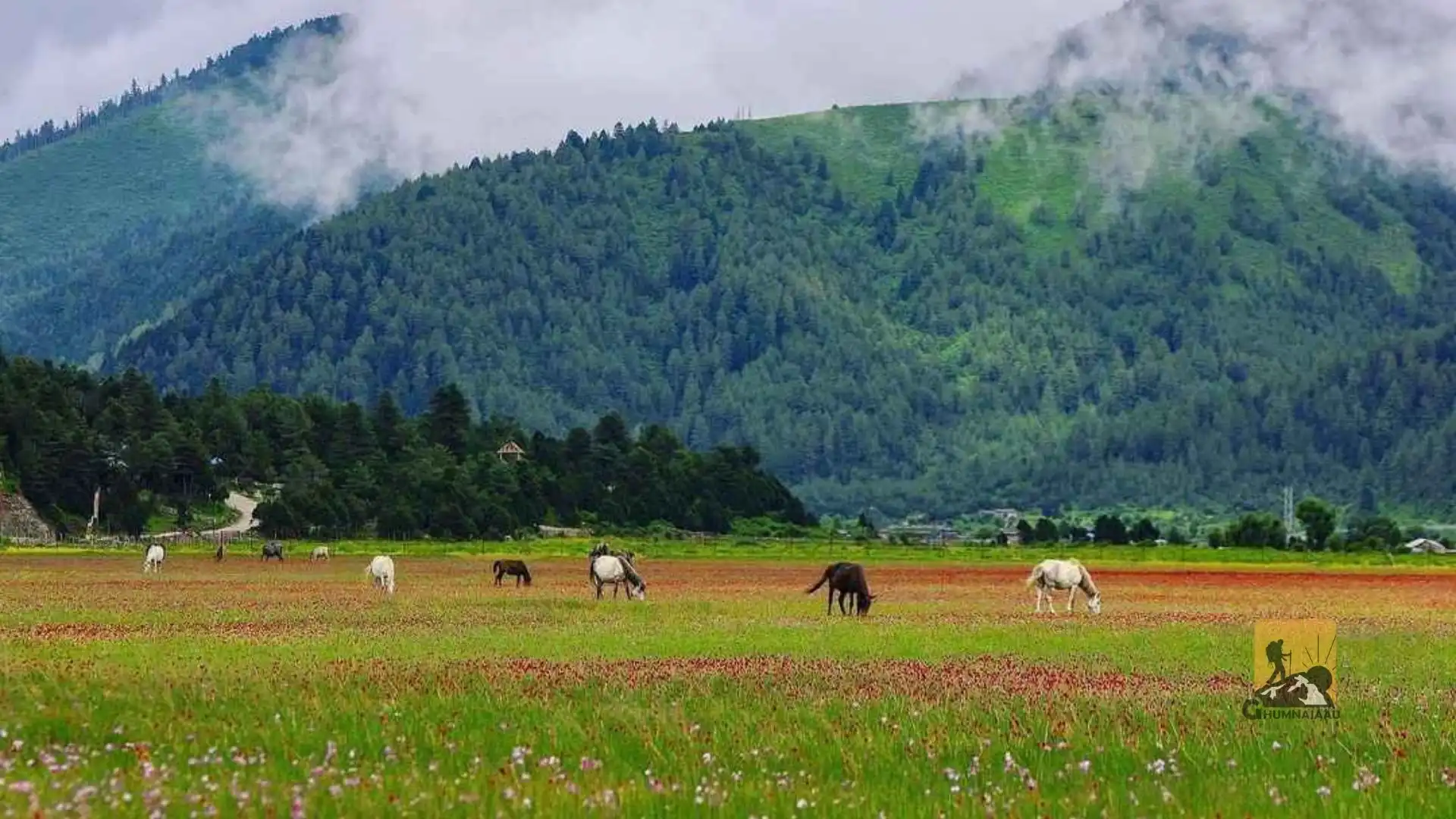
Explore local villages, grazing lands, wildlife habitats, and scenic landscapes.
Day 6: Dhorpatan → Baglung/Pokhara (161 km)/ 6–7 hours jeep drive
Scenic off-road journey through hills, rivers, and forests.
Day 7: Pokhara → Kathmandu (200 km)/ 5–6 hours drive
Return journey with beautiful Himalayan countryside views.
Spring (March–May)
Spring is one of the best seasons for Dhorpatan Trek. The weather remains stable with clear mountain views, blooming rhododendron forests, and comfortable trekking temperatures.
Autumn (September–November)
Autumn offers crystal-clear skies, dry trails, and excellent visibility. This is the most popular trekking season in Nepal with pleasant temperatures and beautiful landscapes.
Winter (December–February)
Winter trekking is possible but temperatures can drop significantly at higher elevations. Snowfall may occur near Jaljala Pass.
Monsoon (June–August)
The region receives rainfall, making trails muddy and slippery. However, landscapes become lush and green with fewer tourists.
Dhorpatan Trek is considered a moderate trekking adventure suitable for trekkers with average physical fitness. The trail includes gradual ascents, forest paths, mountain ridges, and some steep sections near Jaljala Pass.
Trekkers typically walk 5–6 hours daily across varying terrain. While the altitude is not extremely high, proper acclimatization and hydration are important. Prior trekking experience is helpful but not mandatory.
Basic physical preparation such as hiking, cardio exercises, and stamina training before the trek is recommended.
Accommodation during the Dhorpatan Trek includes standard hotels in Kathmandu and Pokhara, local homestays in villages, community lodges, and camping in remote sections.
Meals generally include traditional Nepali dishes such as Dal Bhat, noodles, rice, soups, potatoes, vegetables, tea, and simple snacks. Some villages also offer basic western meals.
Facilities along the trail are simple but comfortable:
Remote areas may have limited electricity and internet access, creating a more authentic mountain experience.
The Dhorpatan region is home to the Magar community, one of Nepal’s indigenous ethnic groups known for their rich traditions, warm hospitality, and unique mountain lifestyle.
During the trek, travelers pass through traditional villages where locals continue ancient farming practices and cultural customs. Visitors can experience local food, folk songs, traditional houses, and rural Himalayan life.
The region also reflects a strong spiritual connection with nature through local temples, monasteries, and seasonal festivals celebrated by mountain communities.
Unlike commercial trekking destinations, Dhorpatan offers genuine cultural immersion and meaningful interaction with local people.
The trek begins with a tourist bus or private vehicle drive from Kathmandu to Pokhara, covering approximately 200 km in 5–6 hours.
From Pokhara, travelers continue by jeep toward Darbang and Sibang village through rough mountain roads, taking around 6–7 hours.
After completing the trek in Dhorpatan Valley, travelers return by jeep to Baglung or Pokhara before driving back to Kathmandu.
Private jeep options provide more flexibility and comfort for groups.
✔ Experienced Local Guides
Professional guides with deep knowledge of the region, culture, and trekking safety.
✔ Personalized Service
Flexible itineraries tailored to your comfort, travel style, and preferences.
✔ Safety First Approach
Reliable support, emergency assistance, and responsible trekking practices.
✔ Authentic Local Experience
We promote community-based tourism and meaningful cultural interaction.
✔ 24/7 Customer Support
Friendly and responsive travel assistance before, during, and after your trek.
Discover one of Nepal’s most untouched trekking destinations with Ghumnajaau. From peaceful Himalayan landscapes to authentic mountain culture, the Dhorpatan Trek offers a truly unforgettable experience away from crowded tourist trails.
✅ Customized itineraries
✅ Experienced trekking guides
✅ Safe and responsible adventures
✅ Best local price guarantee
Contact us today and start planning your Himalayan journey with Ghumnajaau!
Begin your journey with a scenic drive from Kathmandu to Pokhara, passing through picturesque hills, terraced farmlands, and riverside towns. The drive sets the tone for the trek, offering glimpses of rural life and the lush landscapes of western Nepal. Overnight stay in Pokhara.
Travel through winding mountain roads from Pokhara to Darbang, then continue to the remote village of Sibang. The journey introduces you to the cultural and natural diversity of the region, including traditional Magar villages and river valleys. Overnight stay at a local homestay.
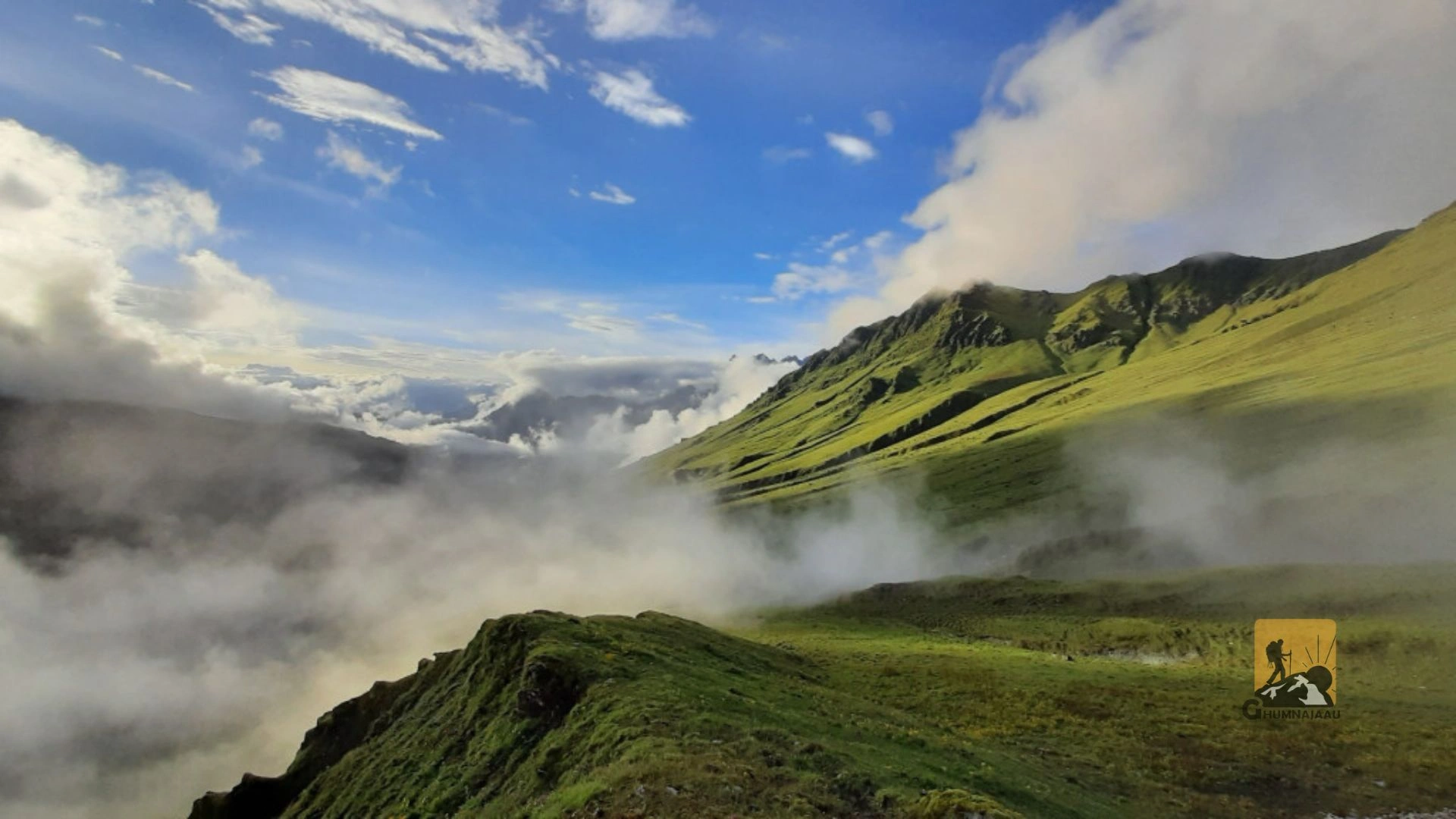
Begin trekking from Sibang through terraced fields, pine forests, and small villages, ascending gradually to the Jaljala Pass at 3,414m. From the pass, descend slightly to Lower Jaljala (3,200m) for overnight camping. This section offers stunning views of the surrounding Himalayas and a sense of high-altitude adventure.
Trek descending from Lower Jaljala to Gurjaghat, passing through alpine meadows, high-altitude pastures, and scattered Magar settlements. Continue to Dhorpatan Valley (2,870m), the central hub of the region. This section combines natural beauty with cultural encounters, and the valley offers panoramic views of surrounding peaks.
Spend the day exploring Dhorpatan Valley, trekking to Niseldhor at 2,610m. The trail meanders through lush pastures, grazing lands, and small hamlets, offering opportunities to observe wildlife, alpine flora, and local culture. Return to the valley lodge for overnight stay.
Descend from Dhorpatan Valley via jeep through forested hills and river valleys, reaching Baglung or Pokhara by evening. Relax at the hotel after the scenic drive.
Conclude your Himalayan adventure with a scenic drive back to Kathmandu, enjoying rivers, valleys, and rural landscapes along the way.
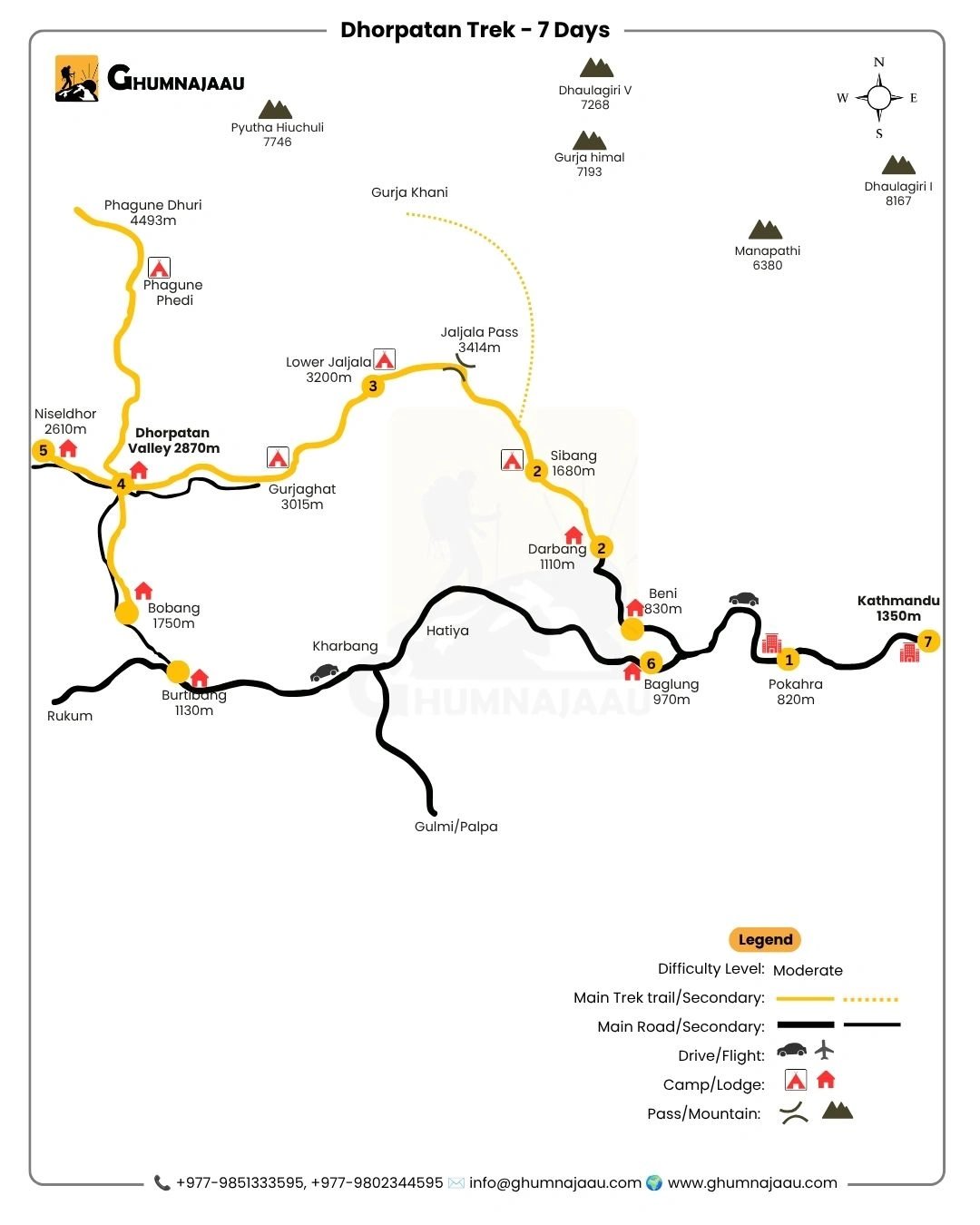
Dhorpatan Trek is located in western Nepal within the Dhorpatan Hunting Reserve between Baglung, Myagdi, and Rukum districts.
It is considered a moderate trek suitable for trekkers with average physical fitness and basic hiking experience.
Yes, trekkers require a Dhorpatan Hunting Reserve permit and a TIMS card.
The highest point is Jaljala Pass at 3,414 meters (11,201 feet).
Yes, one night of camping is generally required near Lower Jaljala due to limited lodge facilities.
Accommodation includes hotels, homestays, community lodges, and camping depending on the route section.
Yes, beginners with good physical fitness and preparation can complete the trek successfully.
Trekkers may spot blue sheep, Himalayan tahr, pheasants, deer, and various bird species.
Internet and mobile networks are limited and unreliable in remote mountain areas.
Spring (March–May) and Autumn (September–November) are the best seasons due to stable weather and clear mountain views.