


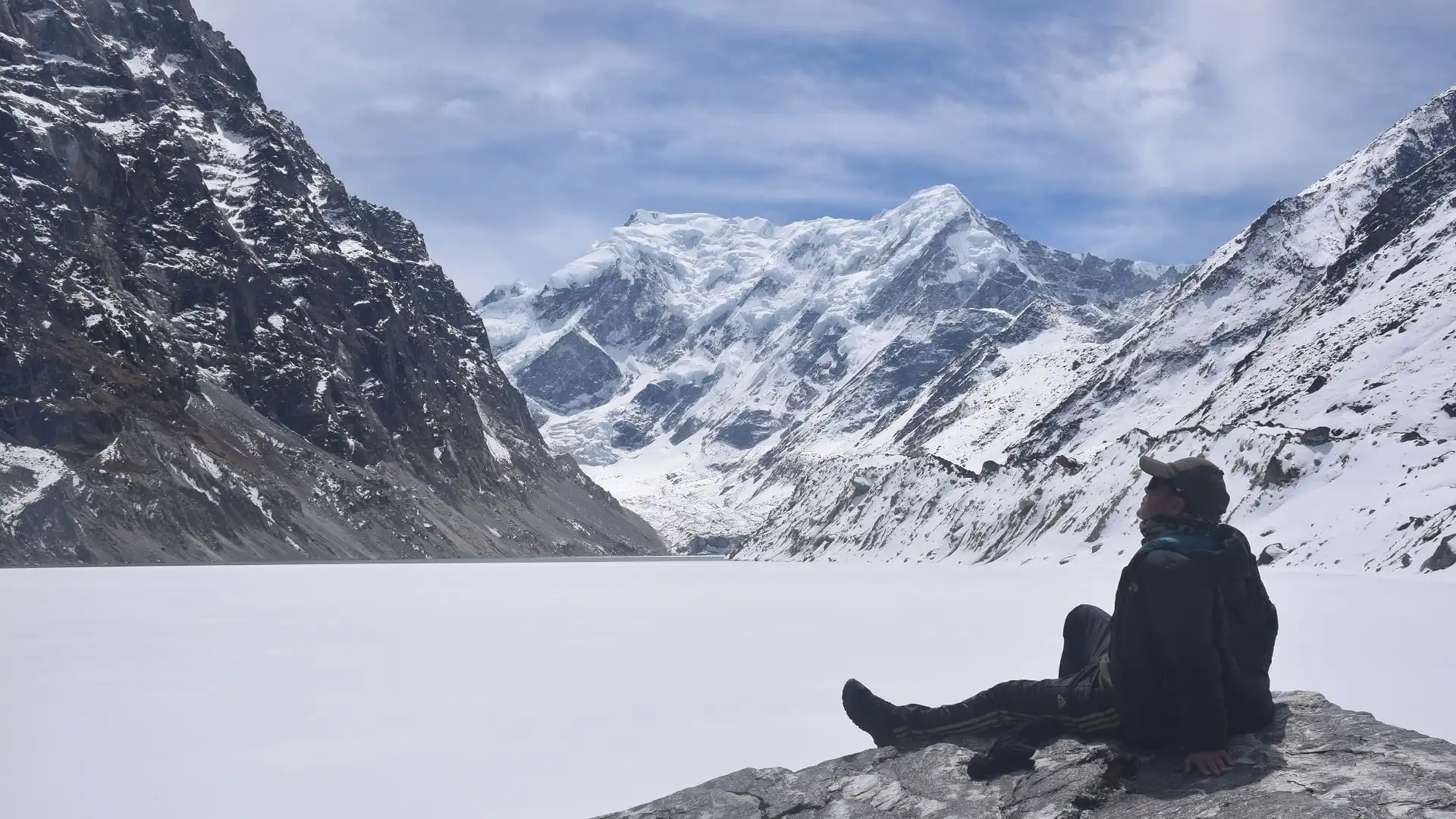
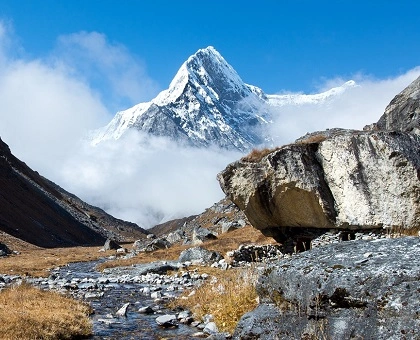


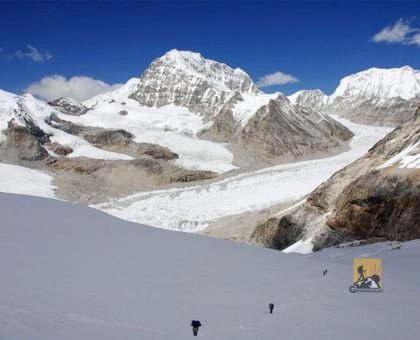

Hidden deep within the untouched Himalayas of eastern Nepal, the Rolwaling Valley Trek is a breathtaking journey through remote mountain landscapes, traditional Sherpa villages, roaring rivers, and the spectacular Tsho Rolpa Glacier Lake. Far from the crowded trekking routes, this adventure offers a peaceful Himalayan experience where travelers can truly connect with nature, local culture, and the spiritual beauty of the mountains. From dramatic waterfalls and alpine forests to snow-covered peaks and ancient monasteries, every step in Rolwaling feels authentic, raw, and unforgettable.
The Rolwaling Valley Trek is a hidden Himalayan adventure located in the Dolakha district inside the beautiful Gaurishankar Conservation Area. Known as the “Valley Carved by a Plough,” Rolwaling remains one of Nepal’s least explored trekking destinations, offering peaceful trails, dramatic landscapes, and rich mountain culture.
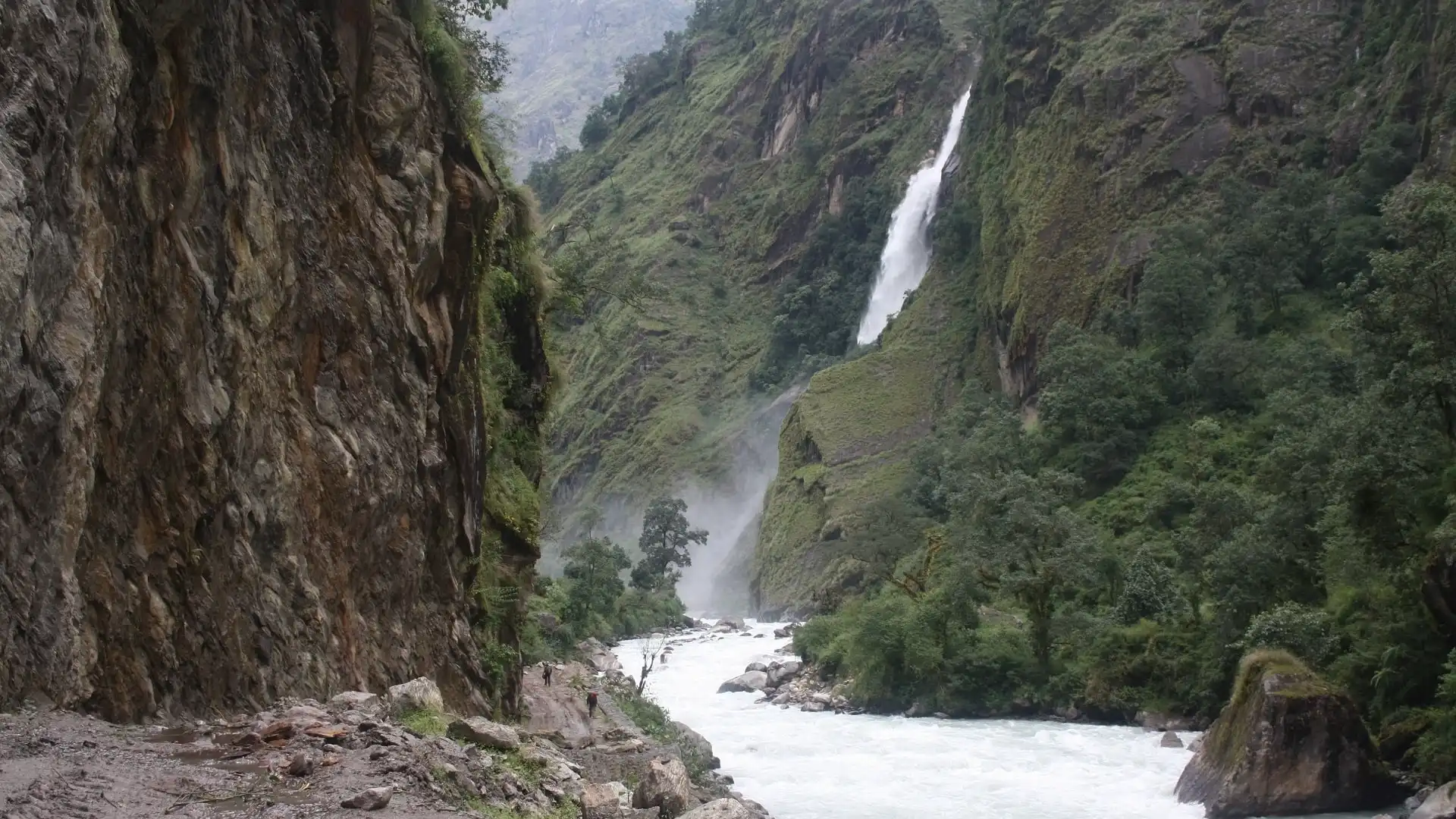
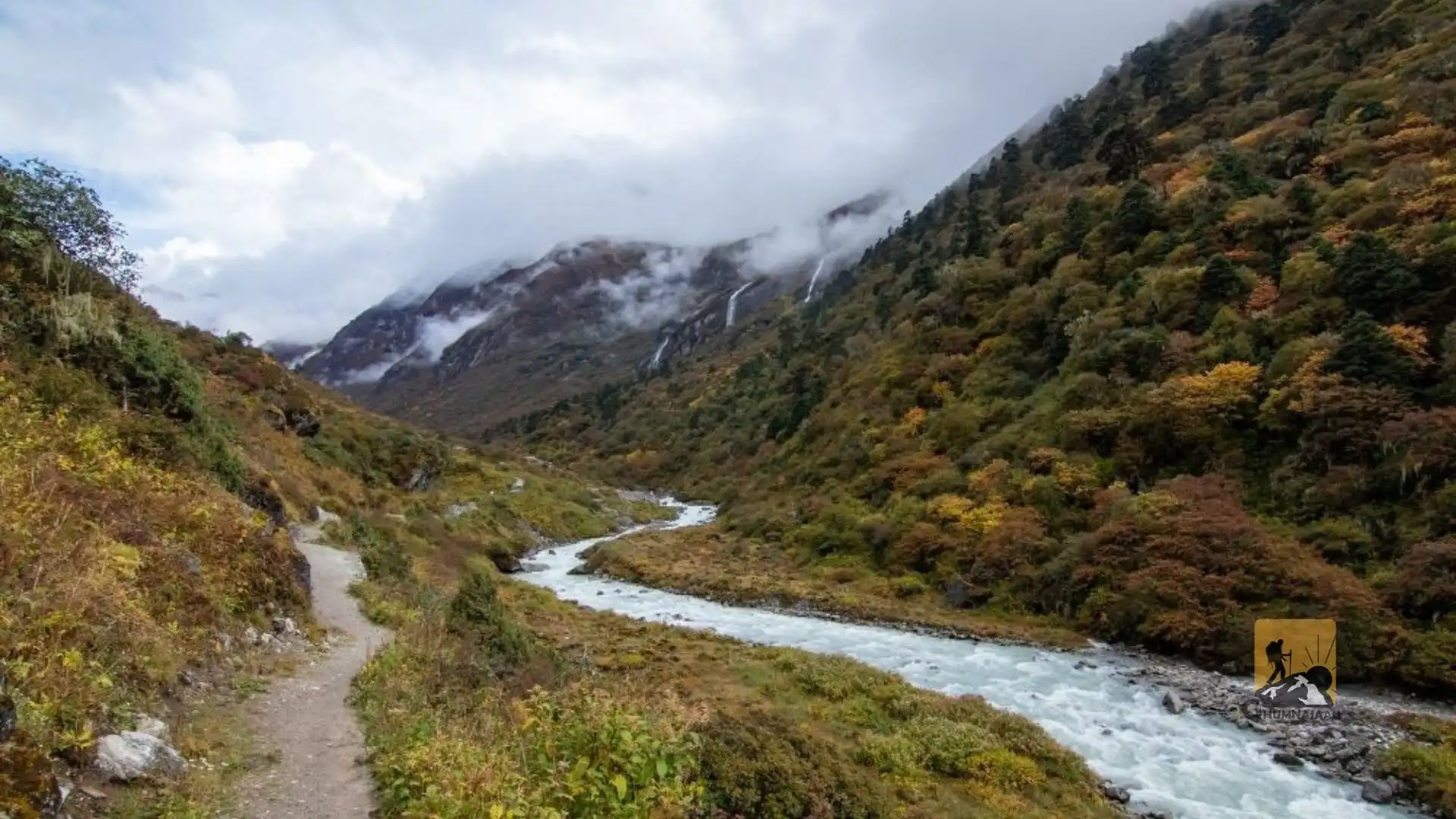
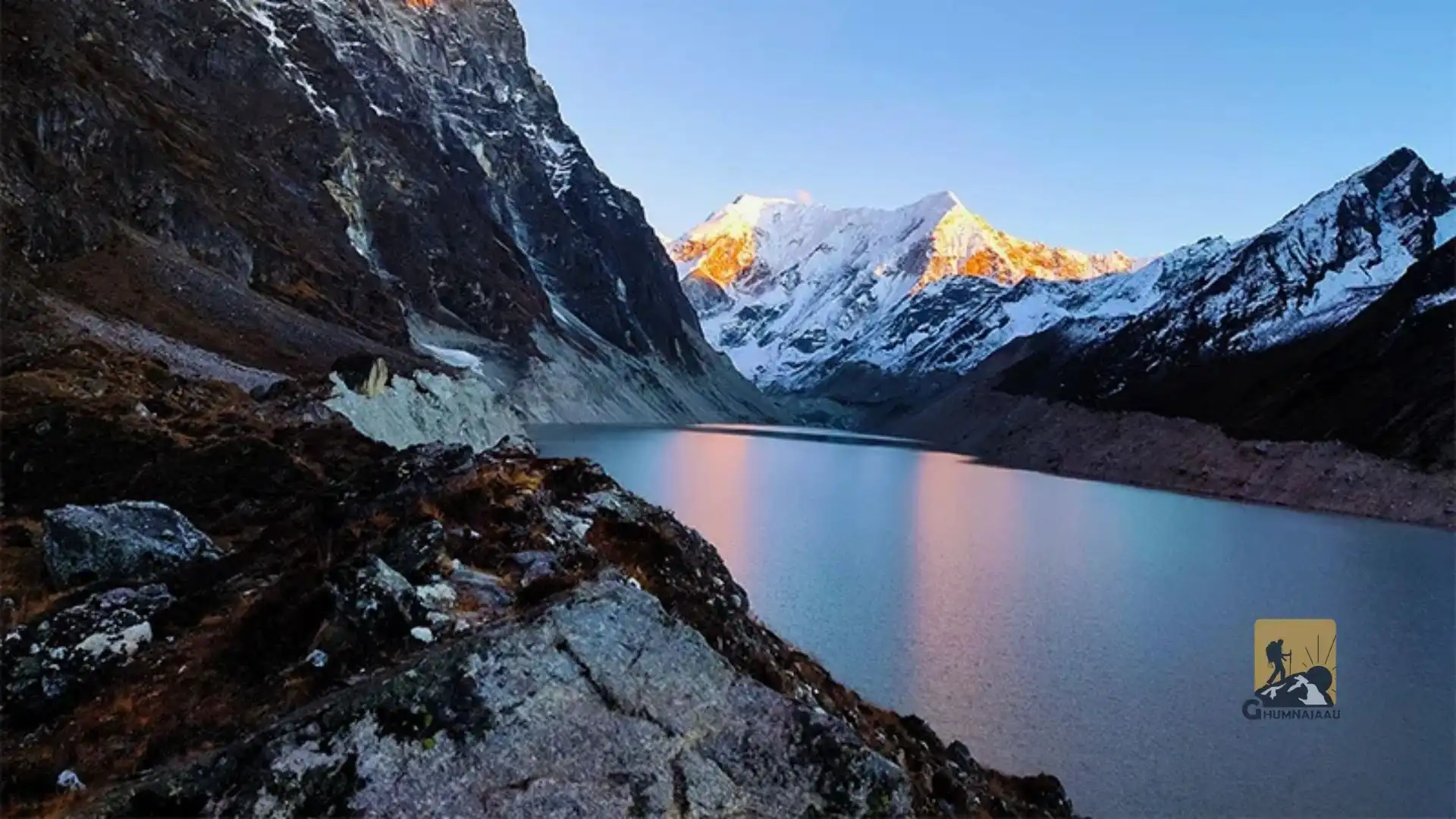
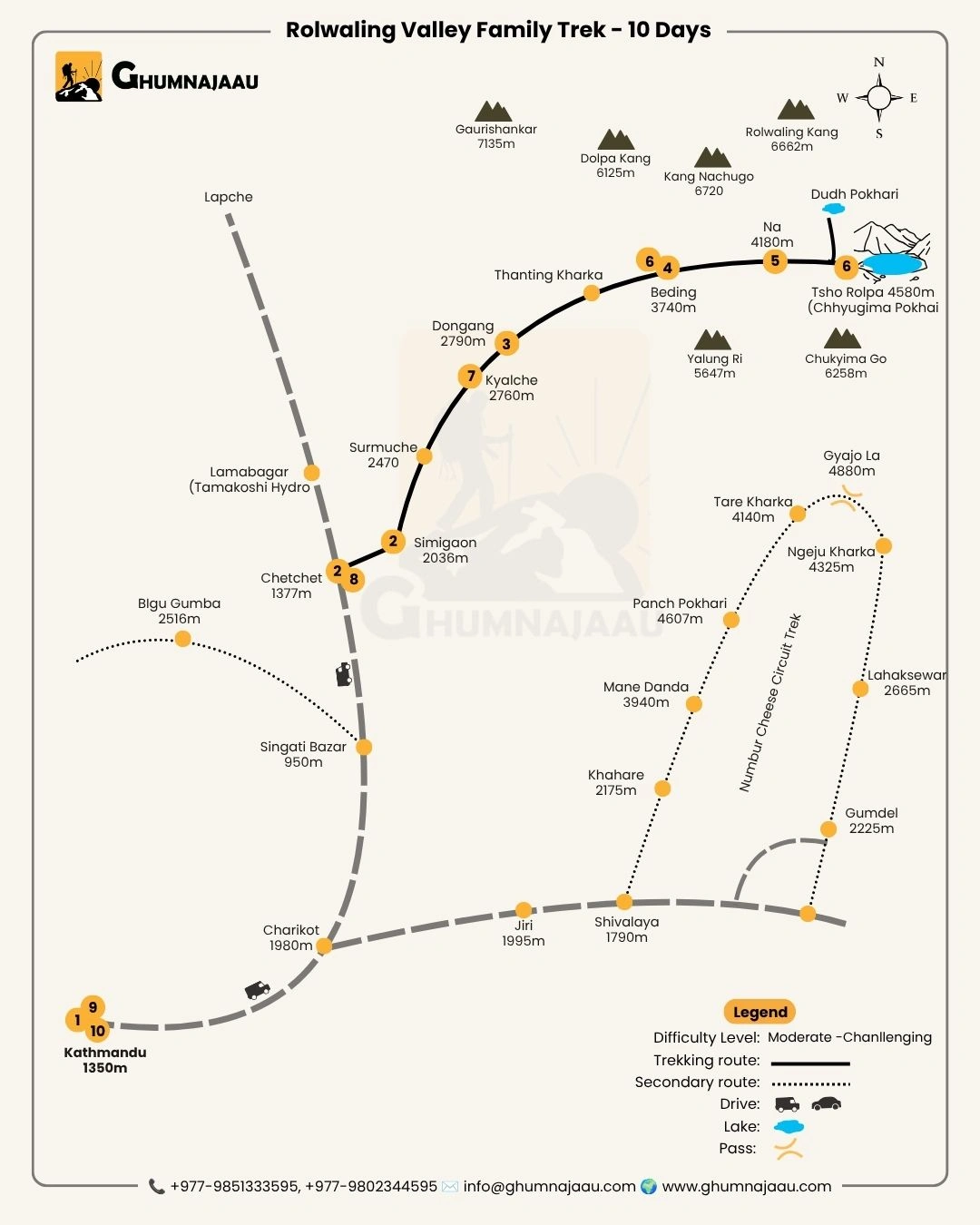
The journey begins with a scenic drive from Kathmandu to Chet Chet before trekking through terraced fields, dense rhododendron forests, riverside trails, and traditional settlements like Simigaon, Dongang, Beding, and Na Village. Along the trail, trekkers are rewarded with stunning views of waterfalls cascading from towering cliffs into the Tamakoshi River. One of the major highlights of the trek is Tsho Rolpa Lake at 4,580 meters, a massive glacial lake surrounded by rugged Himalayan peaks and pristine alpine scenery. The lake’s milky-white water, formed by glacier melt, creates a magical atmosphere unlike any other Himalayan lake.
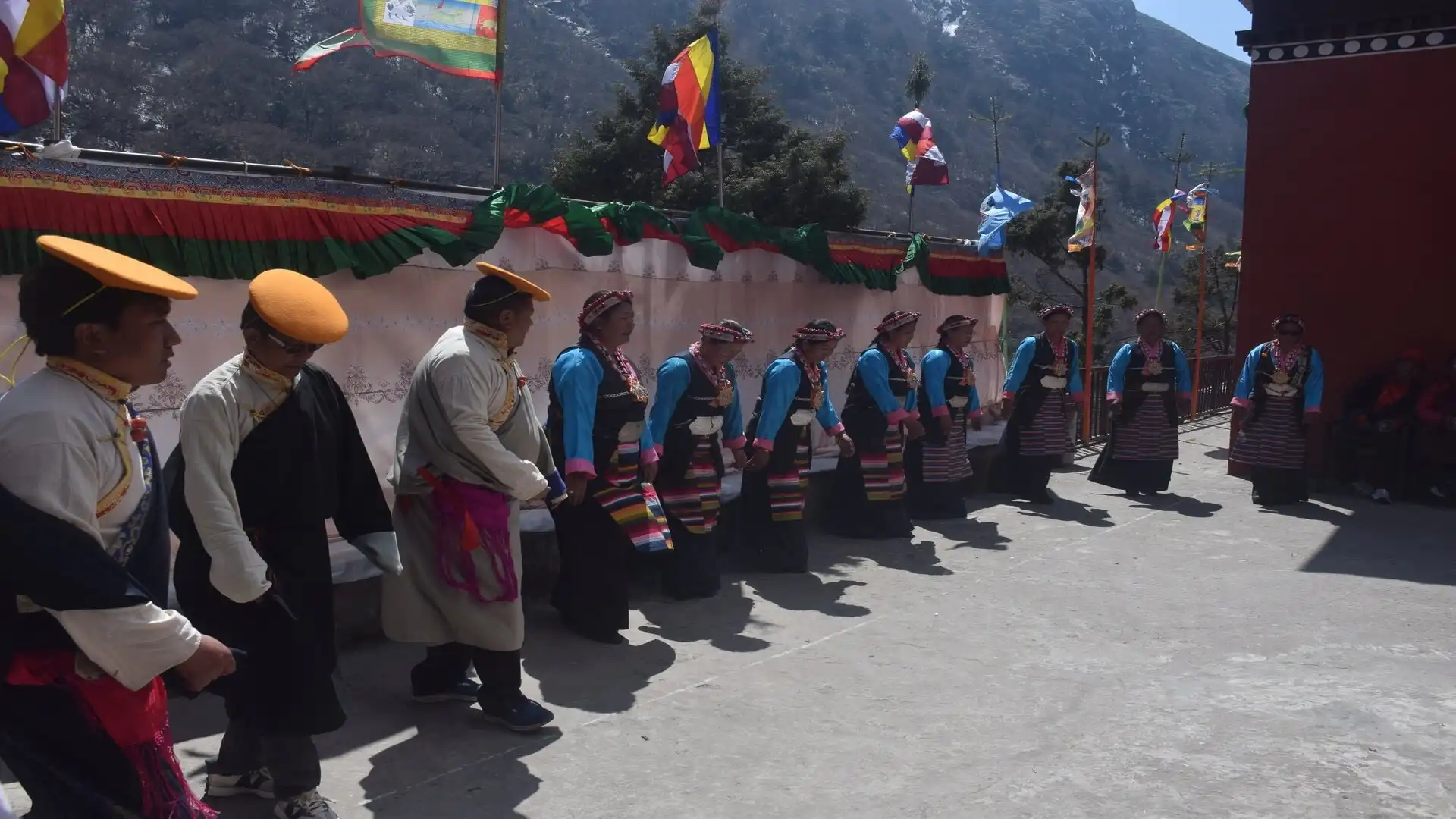
Beyond the natural beauty, Rolwaling Valley is deeply spiritual and culturally rich. The region is home to Sherpa and Tamang communities who follow Tibetan Buddhism and maintain centuries-old traditions, monasteries, prayer flags, and warm mountain hospitality. The valley is also considered a sacred Beyul or hidden spiritual land by local Buddhists. This trek perfectly combines adventure, culture, wilderness, and authentic Himalayan experiences away from busy tourist routes.
The Rolwaling Valley Trek is ideal for travelers seeking a true off-the-beaten-path Himalayan experience. Unlike commercial trekking routes, Rolwaling offers untouched nature, peaceful trails, and authentic cultural immersion.
What Makes Rolwaling Special?
Day 01: Arrival in Kathmandu (1,350m) & Transfer to Hotel
Day 02: Drive Kathmandu to Chet Chet (1,377m) & Trek to Simigaon (2,036m) | 7 hrs drive + 2.5 hrs trek
Day 03: Trek Simigaon (2,036m) to Dongang (2,790m) | 6 hrs
Day 04: Trek Dongang (2,790m) to Beding (3,740m) | 5–6 hrs
Day 05: Trek Beding (3,740m) to Na Village (4,180m) | 2.5 hrs
Day 06: Trek to Tsho Rolpa Lake (4,580m) & Return to Beding (3,690m) | 6 hrs
Day 07: Trek Beding (3,740m) to Kyalche (2,820m) | 5 hrs
Day 08: Trek Kyalche (2,820m) to Chet Chet (1,377m) | 5–6 hrs
Day 09: Drive Chet Chet to Kathmandu (1,350m) | 7 hrs
Day 10: Final Departure
Spring (March to May)
Spring is one of the best seasons for the Rolwaling Valley Trek. The weather remains stable with mild temperatures, blooming rhododendron forests, green hills, and crystal-clear mountain views.
Temperature & Conditions
Autumn (September to November)
Autumn offers dry weather, comfortable temperatures, and stunning Himalayan panoramas after the monsoon season.
Why Autumn is Popular
Winter & Monsoon
Winter brings snowfall and colder temperatures at higher elevations, while monsoon season may cause slippery trails and landslides. Trekking is still possible but more challenging.
The Rolwaling Valley Trek is considered a moderate-level trek suitable for trekkers with average physical fitness. No technical climbing skills are required, but participants should be comfortable walking 5–7 hours daily on uneven mountain trails.
Trekking Challenges
Fitness Requirement
Regular walking, cardio exercises, hiking, or jogging before the trek will greatly improve comfort and endurance. Proper acclimatization and hydration are important to prevent altitude sickness.
Accommodation during the trek is arranged in traditional tea houses and local lodges. Rooms are simple, clean, and comfortable with twin-sharing beds and shared bathroom facilities in most places.
Meals Available
Trekkers can enjoy freshly prepared meals including:
Facilities
The Rolwaling Valley is home to Sherpa and Tamang communities who preserve ancient Himalayan traditions and Tibetan Buddhist culture. Throughout the trek, travelers encounter prayer flags, mani walls, monasteries, and traditional stone-built villages.
Beding and Na Village offer unique opportunities to observe mountain lifestyles, yak farming, Buddhist rituals, and local hospitality. The valley is spiritually significant and considered a sacred hidden land or Beyul by local Buddhists.
Visitors can also experience local food, mountain traditions, and peaceful village life rarely seen on popular trekking routes.
The journey begins with a scenic drive from Kathmandu to Chet Chet via Charikot.
Transportation Information
After completing the trek, travelers return by road from Chet Chet to Kathmandu using private jeep or local transportation arrangements.
The road journey offers beautiful views of rivers, terraced hills, villages, and mountain landscapes.
Experienced Local Guides
Professional government-licensed trekking guides with deep local knowledge.
Safety First
Well-planned itineraries, first aid support, and emergency rescue coordination.
Authentic Local Experience
Connect with local communities, culture, and hidden Himalayan destinations.
Personalized Service
Small group departures with friendly and reliable customer support.
Responsible Tourism
We support sustainable trekking practices and local mountain communities.
Upon arrival at Tribhuvan International Airport in Kathmandu, We're grateful for the warm welcome extended by our official. We will take you to the hotel in our private tourist vehicle. Pre-trip meeting will be done and you will meet with your trip guide. Make sure to confirm your queries about trekking in the mountains.
This day marks the beginning of your adventure. Early in the morning at 5:30 AM, you will drive east from Kathmandu to Chet Chet by private vehicle. The drive takes about 7 hours, covering 186 km. Lunch will be served at Charikot before continuing further. Upon reaching Chet Chet, the trekking part begins. The trail ascends gradually for 2.5 hours, passing along rivers, streams, terraced fields, and small villages before arriving at Simigaon. Overnight stay at a lodge in Simigaon.
After breakfast, leave behind the beautiful village of Simigaon and start trekking toward Dongang. The trek takes about 6–7 hours. You will stop for lunch at either Surmuche (2,470m) or Kyalche (2,760m). On reaching Dongang, you officially enter the Rolwaling Valley, an inner Himalayan valley considered a Beyul (sacred hidden land) by the local Buddhist Sherpa inhabitants. Overnight at a lodge in Dongang.
After breakfast, the trek continues toward Beding and eventually Na Village. The trail is scenic with natural stone pavements and dense forests along the Rolwaling River, accompanied by the soothing sound of flowing water. The route includes both uphill and downhill sections until you reach Beding. Between Dongang and Beding, you will find a few small teashops, including one at Thanding Kharka, open only during the daytime. On arrival in Beding, you will be greeted with herds of yaks and naks, Sherpa hospitality, and the authentic beauty of Rolwaling. Overnight stay in Beding, which is highly recommended for altitude acclimatization.
Today’s trek is relatively short and easy, taking only 2–3 hours. In the morning, you can explore the traditional Sherpa houses and monasteries of Beding Village before moving on. The trail is gentle as you make your way to Na Village, where you will spend the night in a teahouse/lodge.
From Na Village, where around 20 houses are located, begin your trek to Tsho Rolpa Lake. The village has two monasteries close to each other, and villagers often shift seasonally between Na and Beding depending on climate. From Na, it takes 2–3 hours (4.5 km) to reach Tsho Rolpa Lake, one of the largest glacial lakes in Nepal. The lake has expanded significantly over the last five decades due to glacial melting and global warming. Unlike other Himalayan lakes with turquoise waters, Tsho Rolpa appears milky-white most of the time. Surrounded by the towering Rolwaling peaks, the setting is serene and awe-inspiring. After enjoying the views and exploring nearby spots such as Dudhkunda Lake, return to Beding for an overnight stay.
After breakfast, begin a gradual descent along the Rolwaling River and forested trails back to Kyalche. The trek takes about 5 hours. Overnight at lodge/teahouse in Kyalche.
This day is a downhill trek all the way back to Chet Chet. The route retraces the same path you took earlier, making the walk easier and more predictable in terms of time and pace. This marks your final trekking day in the Rolwaling Valley. Overnight at a lodge in Chet Chet.
The drive back to Kathmandu takes around 7 hours (186 km) by private vehicle. with a lunch stop en route at Mude, Dolakha, or another convenient location. Upon arrival, transfer to your hotel.
It’s the end of our exciting journey in the Rolwaling Valley(Gaurishankar Conservation Area). Today we conclude our 8-10 days Rolwaling Valley Trekking. One of our airport representatives will accompany you to the International Airport for your flight back home.
We bid you farewell, and hoping you’ll travel to Nepal again.
The trek is moderately difficult and suitable for trekkers with average fitness. Daily walking ranges from 4–7 hours.
No prior trekking experience is necessary, but basic fitness preparation is recommended.
The highest point is Tsho Rolpa Lake at 4,580m (15,026ft).
Yes, trekkers may experience altitude-related symptoms. Proper acclimatization and hydration are important.
Tea houses and local lodges with basic facilities and shared bathrooms are available throughout the route.
Licensed guides are included. Porters are available at an additional cost.
Trekkers need the Gaurishankar Conservation Area Permit and TIMS Card.
Spring (March–May) and Autumn (September–November) are the best seasons.
Electricity is available in most villages, while Wi-Fi and mobile networks may be limited.
Yes, travel insurance covering high-altitude trekking and emergency evacuation is highly recommended.