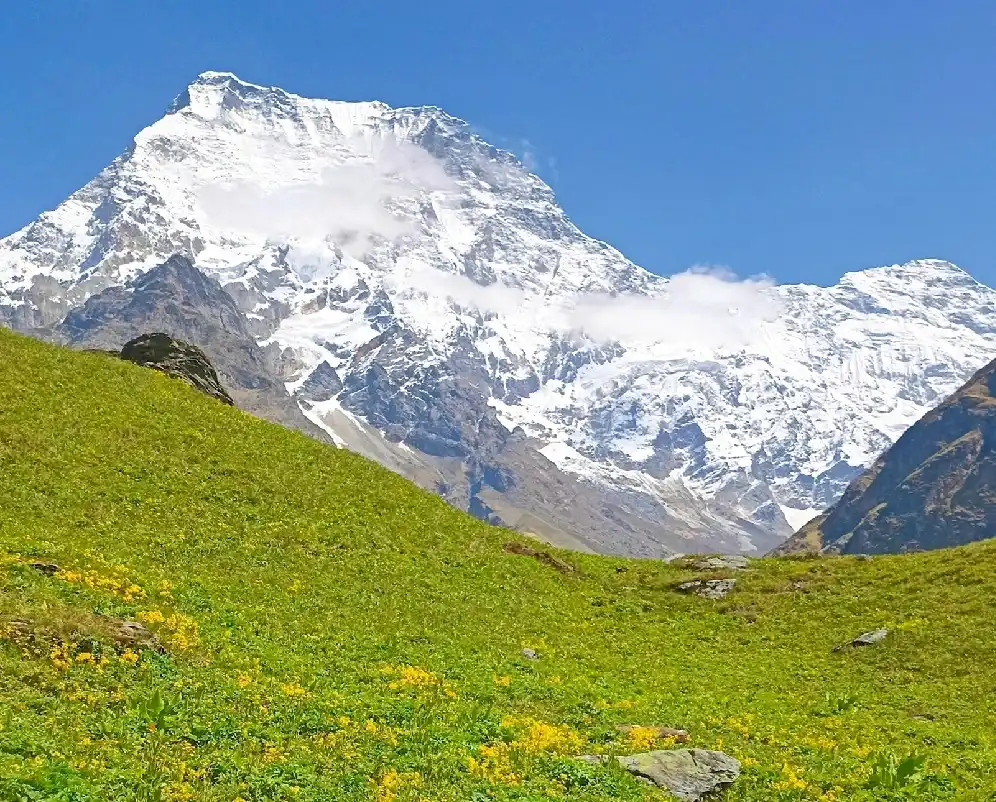
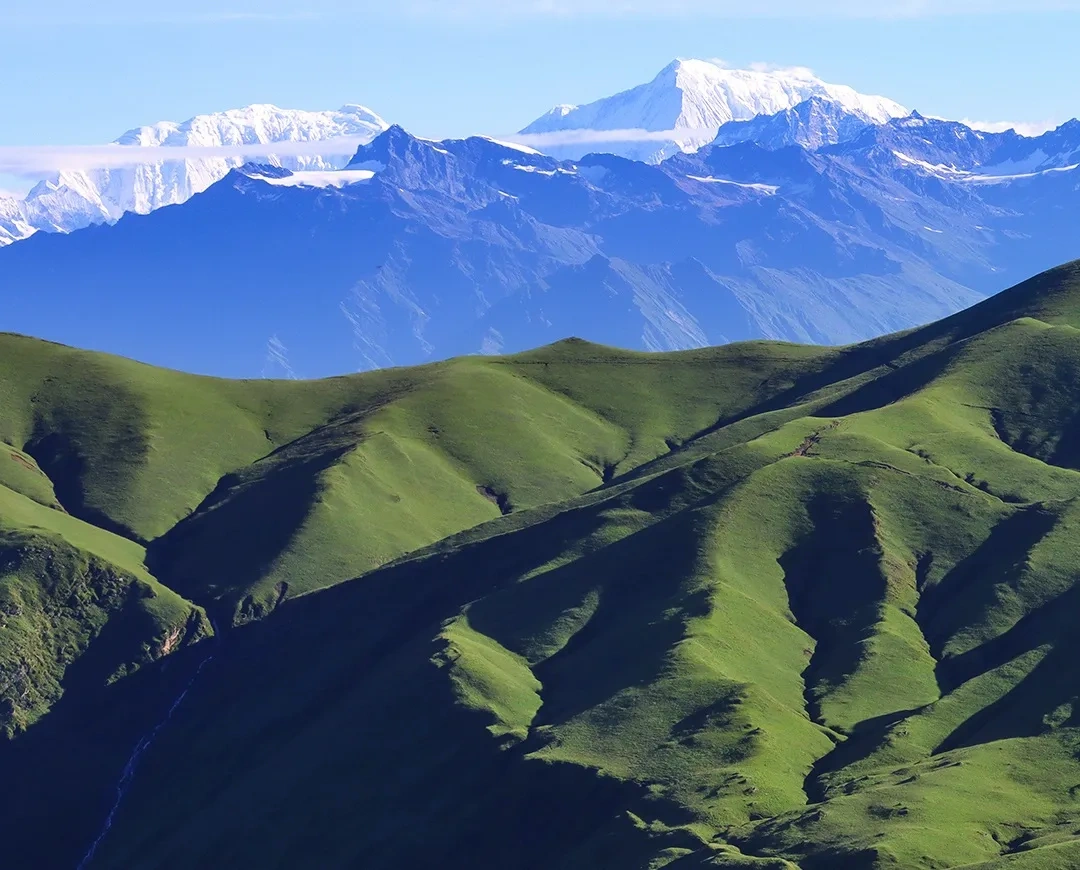
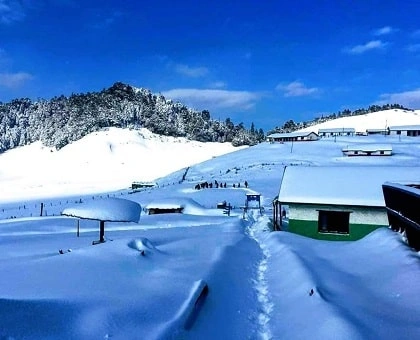
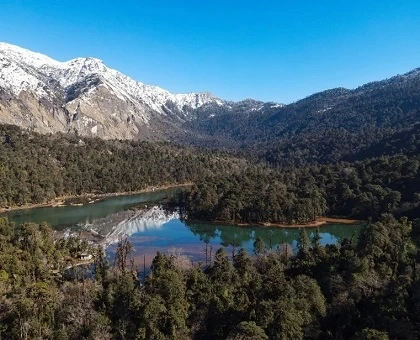
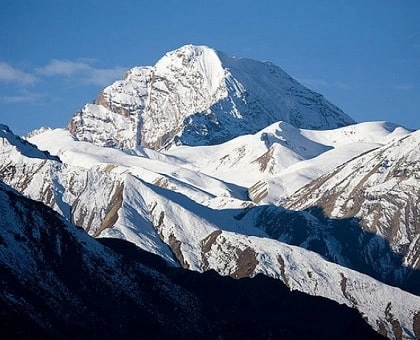
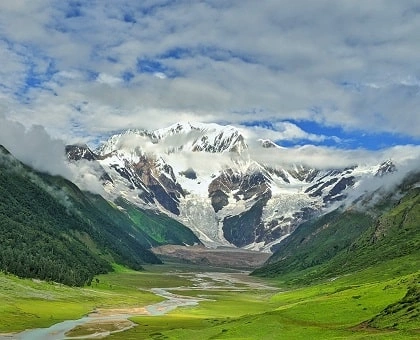
Hidden in the untouched wilderness of Far West Nepal, the Api Himal Base Camp Trek is a rare Himalayan journey for travelers seeking authentic adventure beyond crowded trekking trails. From remote mountain villages and ancient forests to sacred alpine lakes and breathtaking views of Mt. Api (7,132m), this trek offers a powerful blend of nature, culture, and solitude. Every step through the Api Nampa Conservation Area reveals raw Himalayan beauty, warm local hospitality, and a deep connection with Nepal’s hidden frontier.
The Api Himal Base Camp Trek is one of Nepal’s most remote and rewarding trekking adventures located in the far-western region of the country. This hidden Himalayan journey takes trekkers deep into the untouched landscapes of the Api Nampa Conservation Area, a protected region known for its dramatic mountain scenery, rich biodiversity, and authentic local culture.
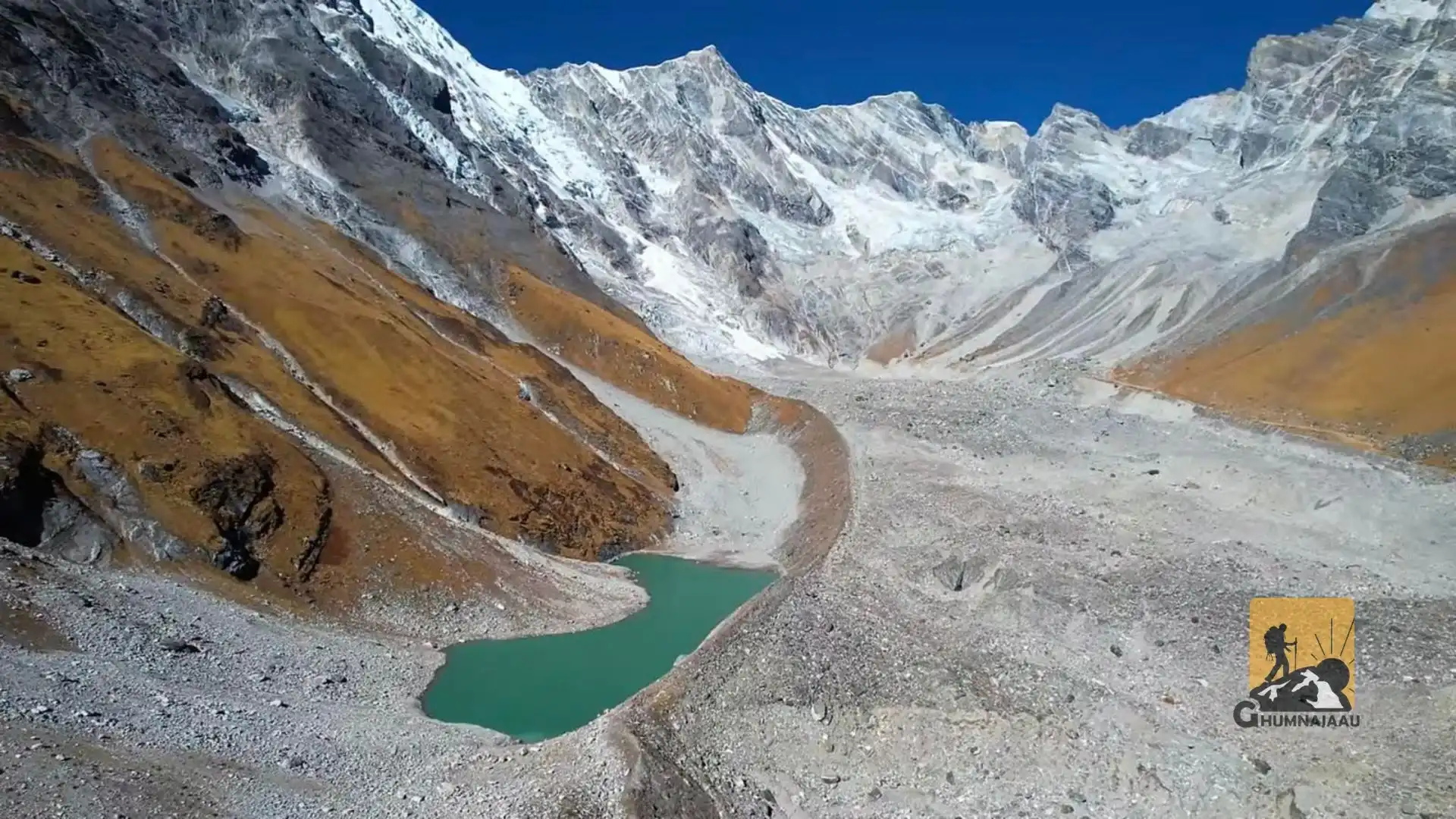
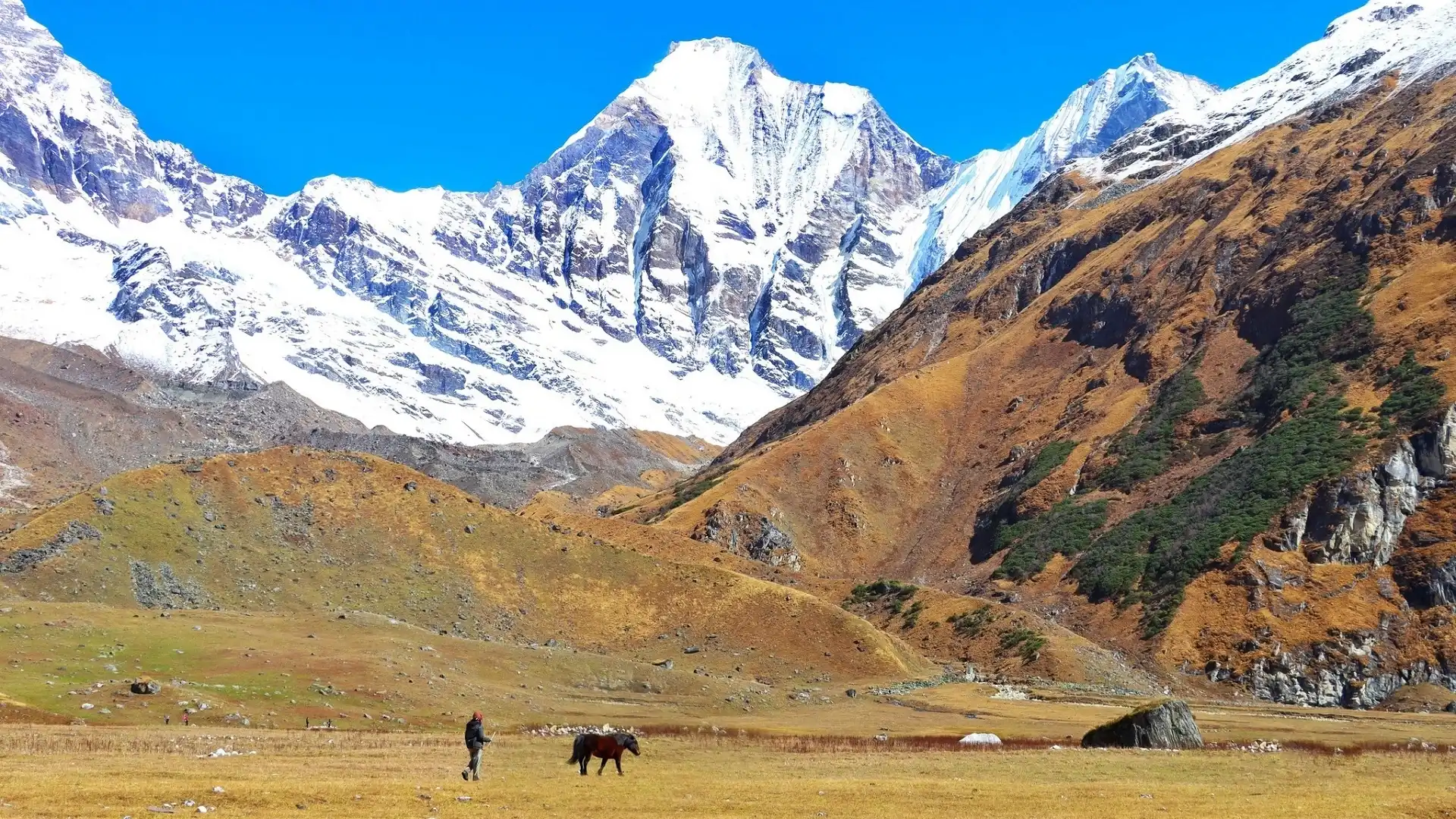
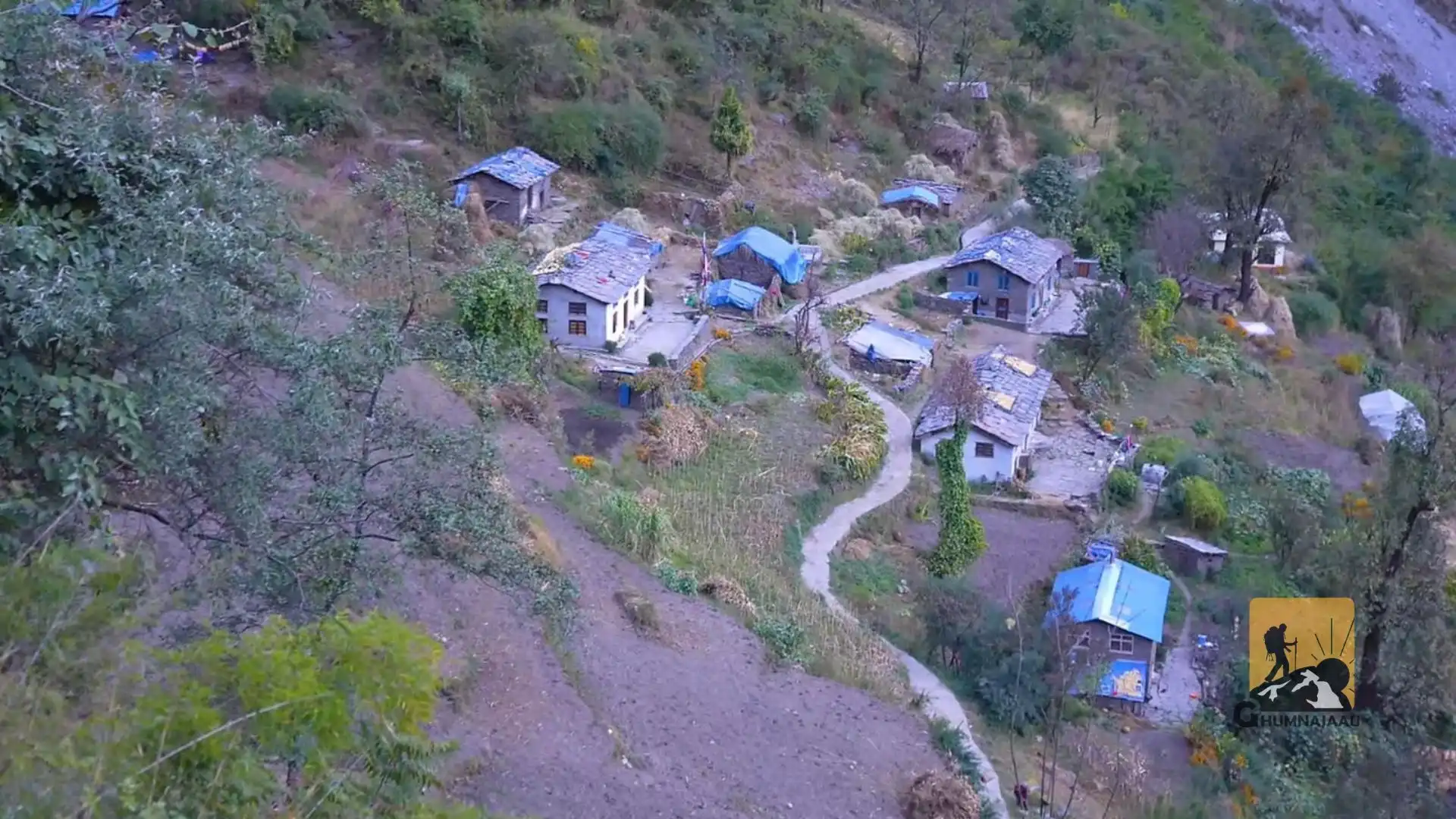
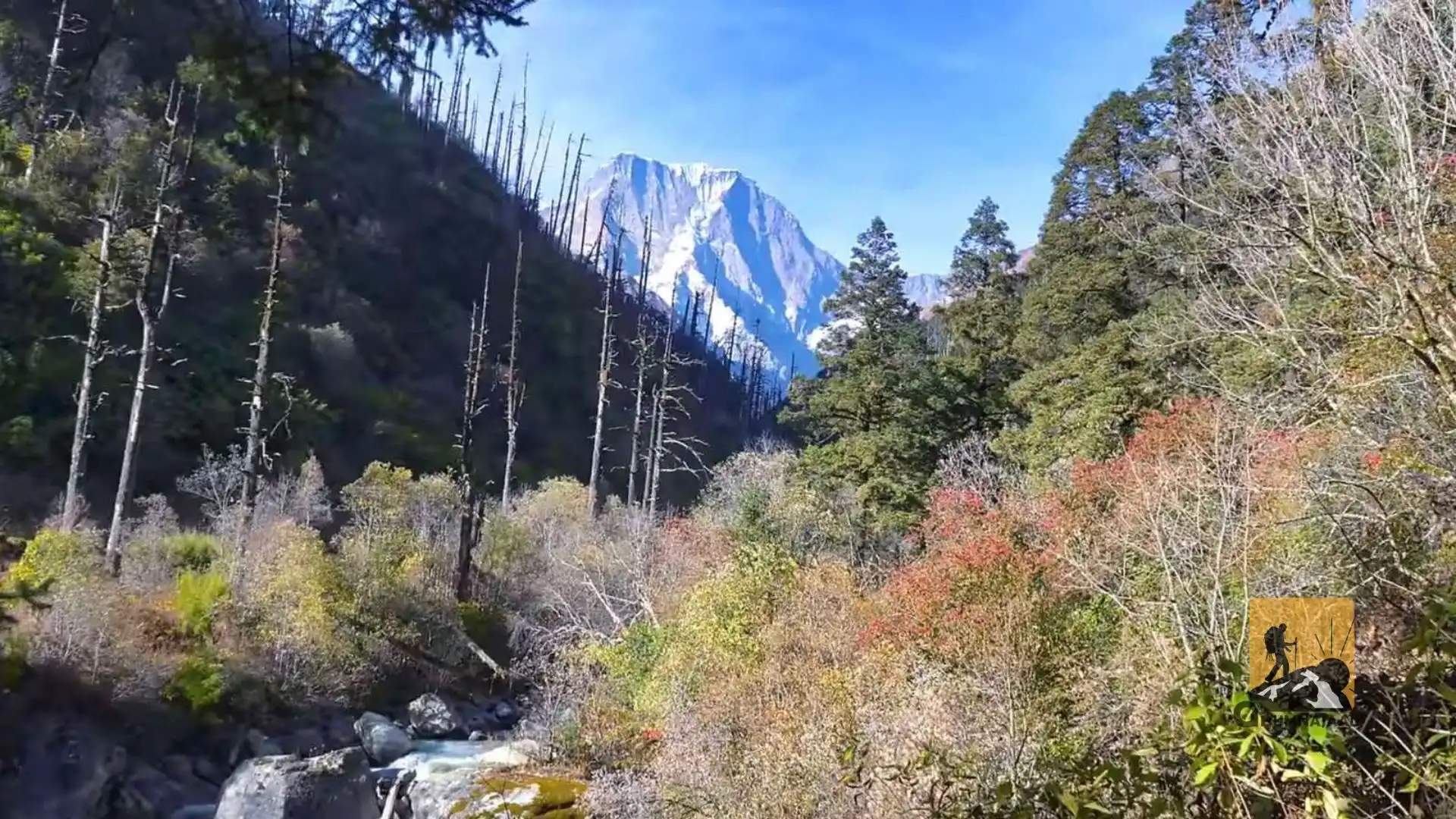
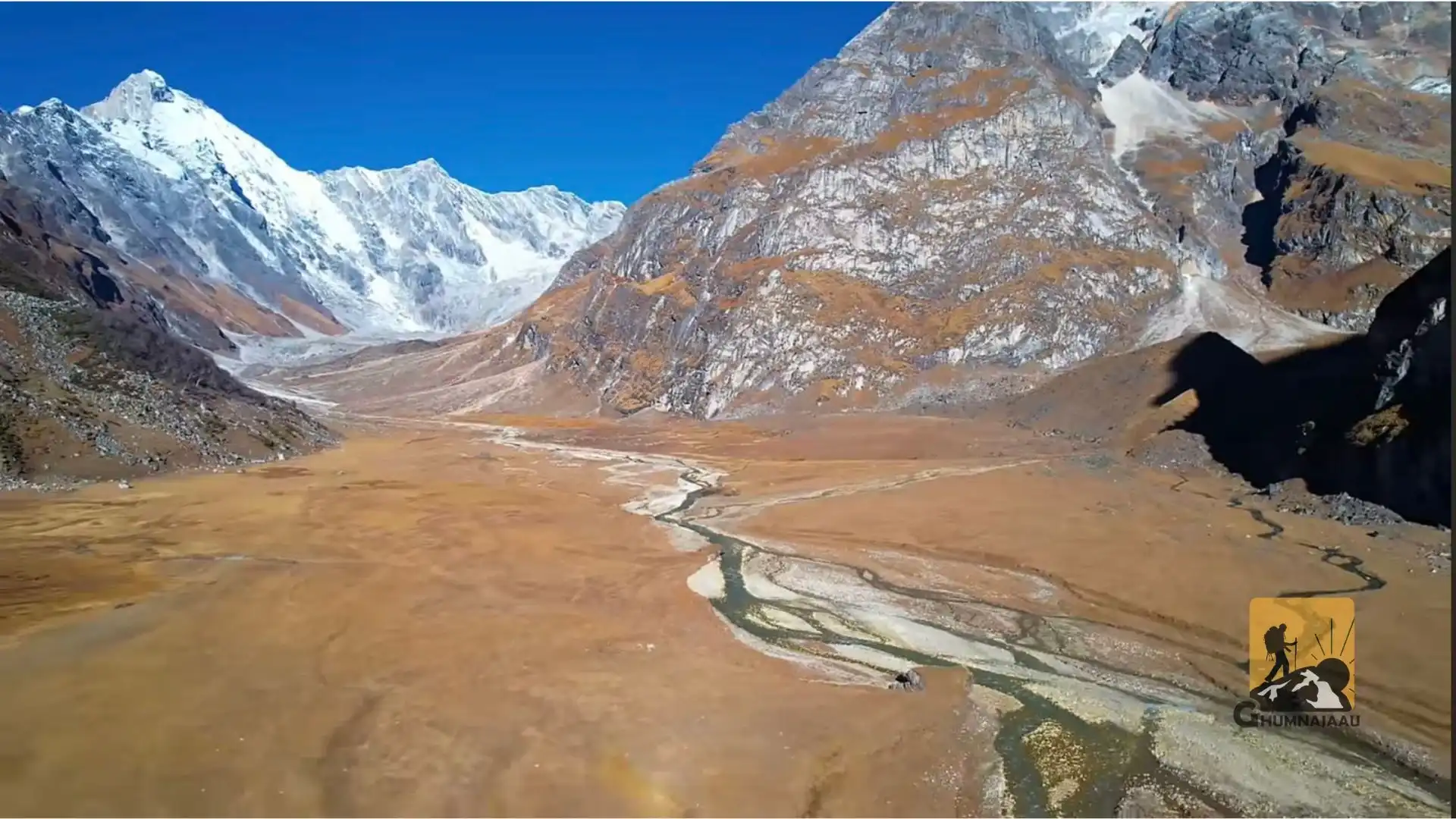
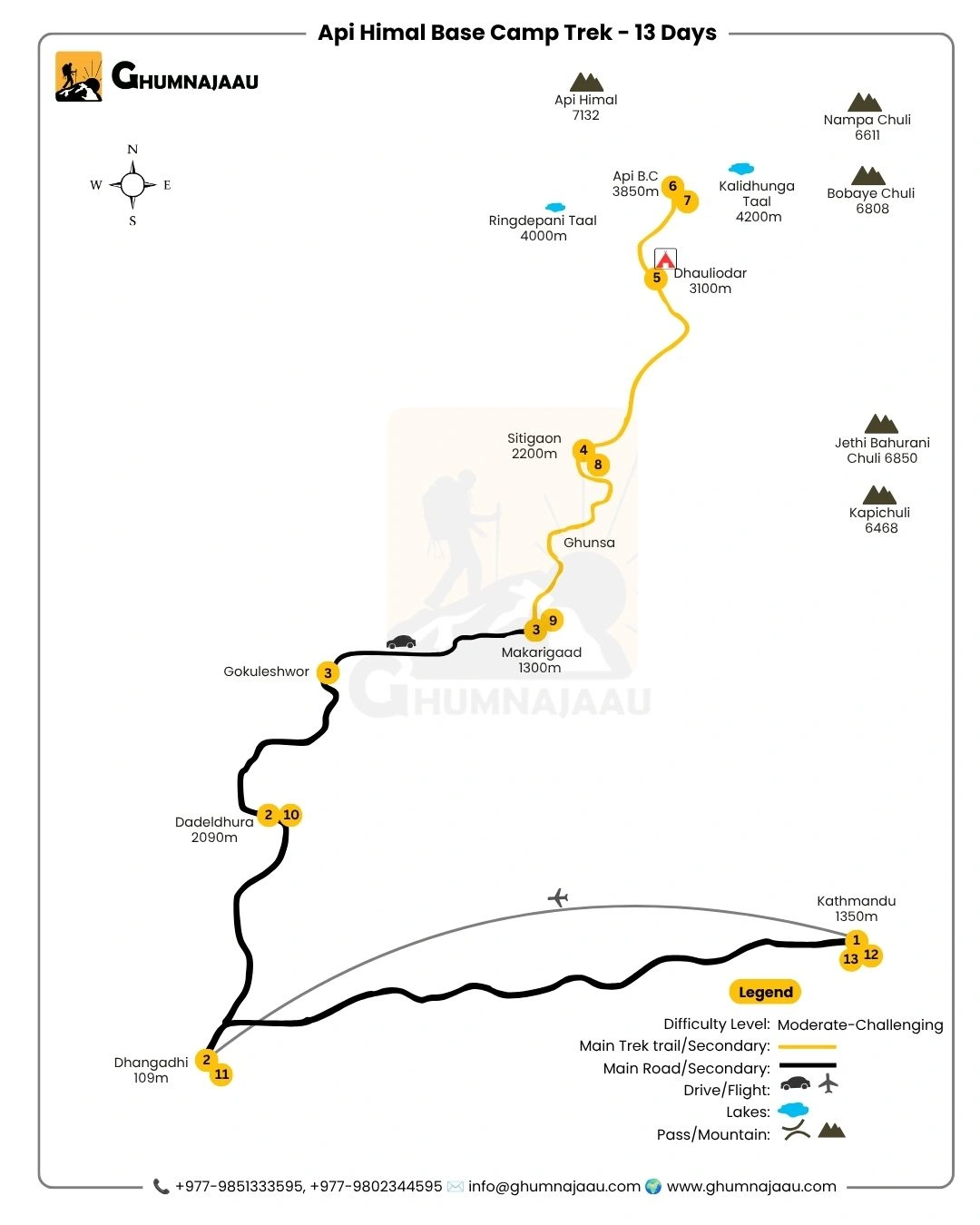
The adventure begins with a scenic flight from Kathmandu to Dhangadhi followed by an overland drive through beautiful hill towns and river valleys toward Makarigaad, the trek starting point. As the trail ascends gradually, trekkers pass through traditional villages, terraced farmland, dense pine and rhododendron forests, alpine meadows, and glacier-fed streams. The highlight of the journey is reaching Api Base Camp (3,850m) and the sacred Kalidhunga Lake (4,200m), where magnificent views of Mt. Api and surrounding snow-covered peaks create a truly unforgettable Himalayan experience. The region remains largely untouched by modernization, making it ideal for trekkers seeking raw nature and peaceful wilderness. Beyond natural beauty, the trek offers meaningful cultural immersion. You will meet the Byansi (Sauka) people and other local communities whose traditions, spiritual practices, and mountain lifestyle have remained unchanged for generations. Ancient trade routes, stone houses, local temples, prayer flags, and warm village hospitality add cultural depth to the journey.
The Api Nampa region is also home to diverse wildlife including Himalayan tahr, musk deer, blue sheep, Himalayan monal, and even elusive snow leopards. Spring brings colorful wildflowers and rhododendron blooms, while autumn offers crystal-clear mountain views and stable trekking conditions. For travelers looking for an authentic Himalayan adventure away from commercial trekking routes, the Api Himal Base Camp Trek is one of Nepal’s best hidden treasures.
Day 01: Arrival in Kathmandu (1,350m/4,429ft)/ Airport pickup and hotel transfer.
Day 02: Fly to Dhangadhi (109m/357ft) & Drive to Dadeldhura (2,090m/6,857ft)/ 1 hour flight + 4 hours drive
Day 03: Drive to Gokuleshwor & Makarigaad (1,300m/4,265ft)/ 6–7 hours
Day 04: Trek to Sitigaun (2,200m/7,218ft)/ 6–7 hours
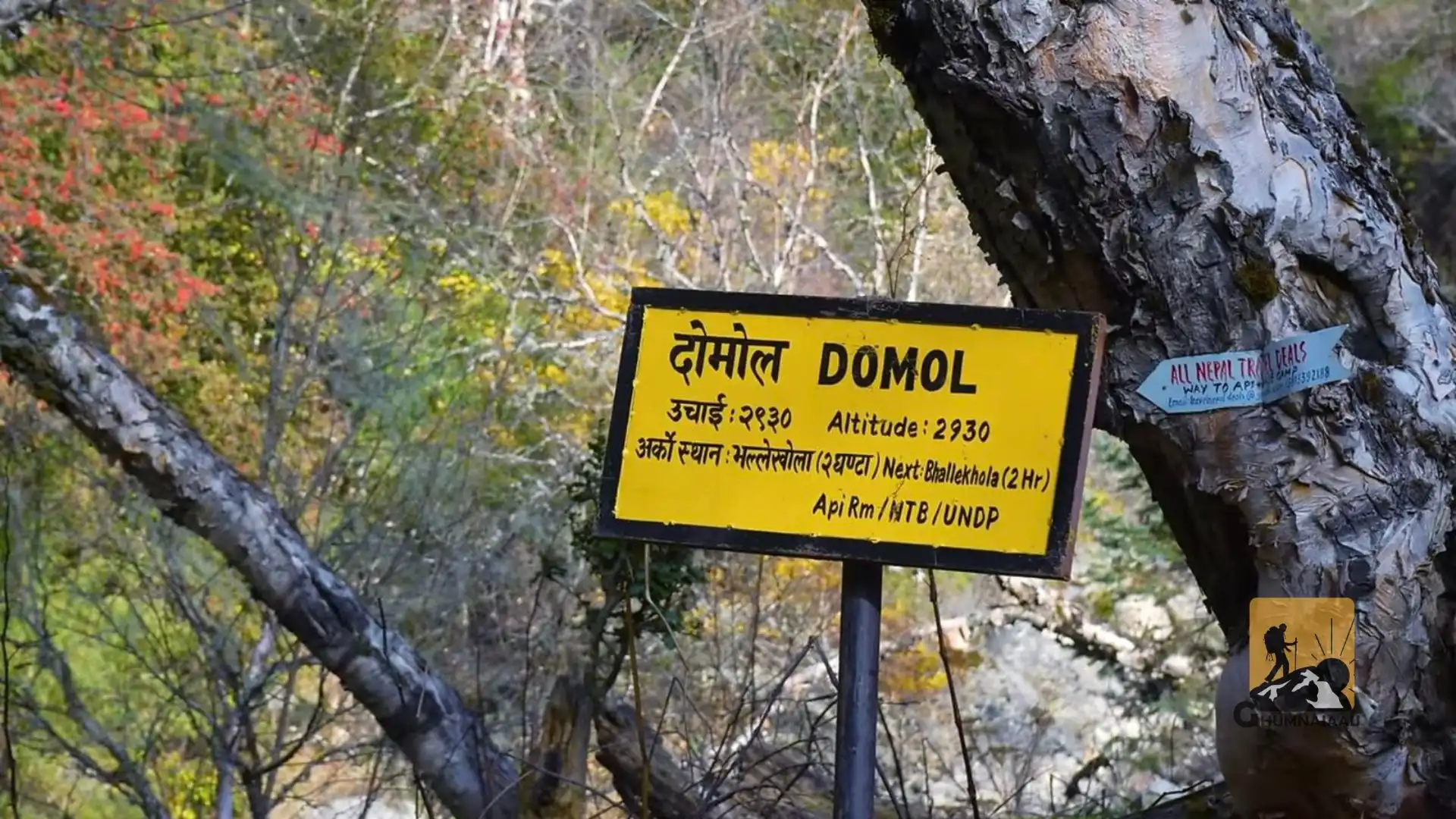
Day 05: Trek to Dhauliodar (3,100m/10,170ft)/ 6–7 hours
Day 06: Hike to Api Base Camp (3,850m/12,631ft) & Kalidhunga Taal (4,200m/13,779ft)/Full-day excursion
Day 07: Contingency/Acclimatization Day/Optional hike to Ringdepani Taal (4,000m).
Day 08: Trek Back to Sitigaun (2,200m)/ 5–6 hours.
Day 09: Trek to Makarigaad (1,300m)/ 5–6 hours.
Day 10: Drive to Dadeldhura (2,090m)/ 8 hours.
Day 11: Drive to Dhangadhi (109m)/4 hours.
Day 12: Fly Back to Kathmandu/Flight- 1 hour.
Day 13: Final Departure/Airport transfer for onward journey.
Spring (March–May)
Spring is one of the best seasons for the Api Himal Base Camp Trek. The trails bloom with colorful rhododendrons and wildflowers while temperatures remain pleasant. Mountain views are generally clear, making it ideal for photography and nature lovers.
Autumn (September–November)
Autumn offers stable weather, dry trails, and excellent visibility. The skies remain crystal clear after the monsoon season, providing stunning Himalayan panoramas and comfortable trekking conditions.
Winter (December–February)
Winter trekking is possible but temperatures drop significantly at higher elevations. Snowfall may affect trails around the base camp.
Monsoon (June–August)
Heavy rainfall can make trails slippery and transportation challenging. However, the landscapes become lush and green.
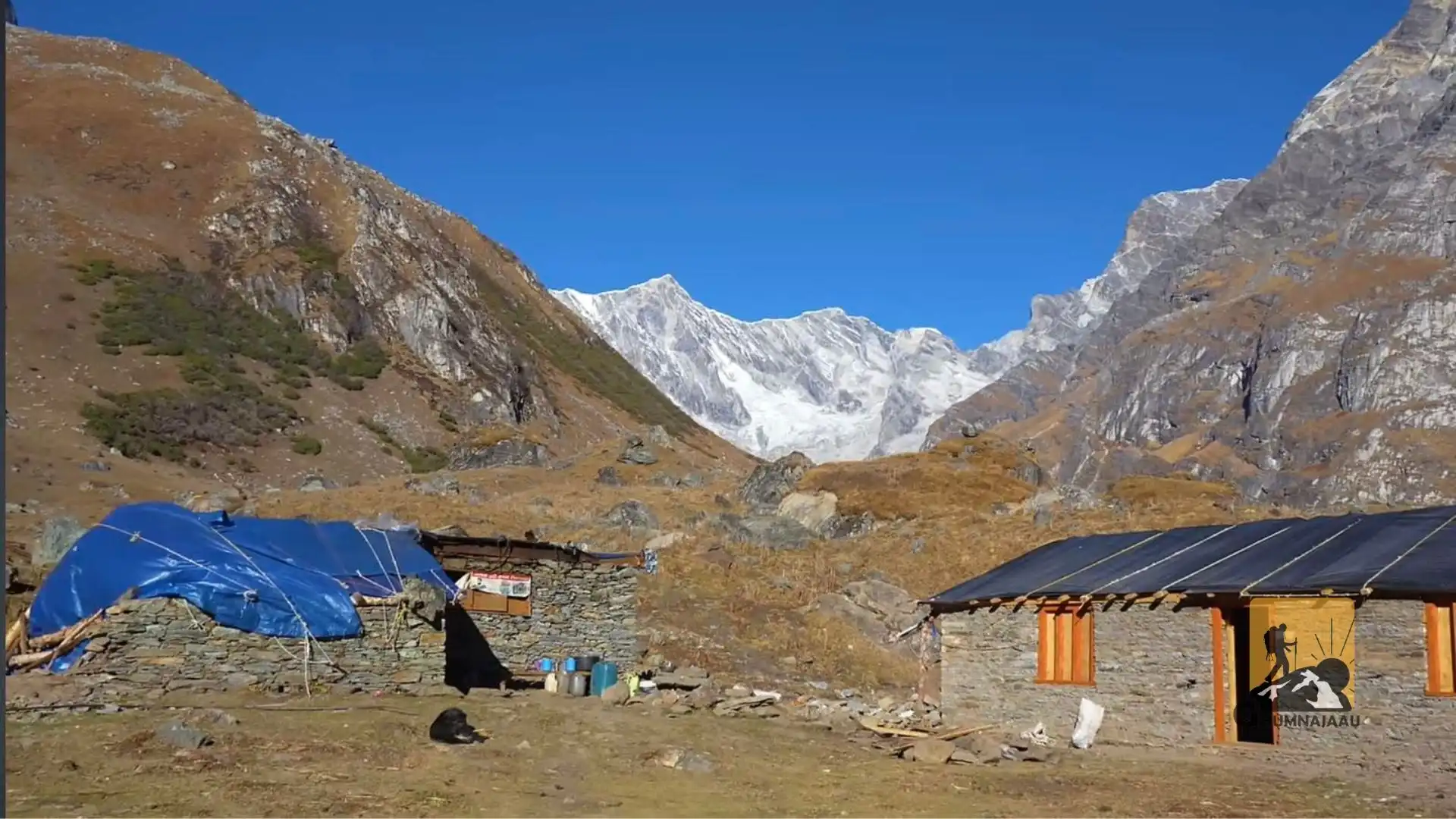
Accommodation during the trek includes a mix of local teahouses, homestays, and semi-camping arrangements depending on trail availability. Rooms are generally simple but clean and comfortable considering the remoteness of the region.
In Kathmandu and major towns, trekkers stay in comfortable 3-star hotels.
Meals during the trek typically include:
Basic facilities such as electricity charging and mobile networks are available in some villages, though internet access may be limited or unavailable in higher areas.
The journey begins with a domestic flight from Kathmandu to Dhangadhi in western Nepal. From Dhangadhi, travelers continue by private jeep through scenic hill roads toward Dadeldhura, Gokuleshwor, and finally Makarigaad, the trek starting point.
Transportation Summary
After completing the trek, the same route is followed back to Kathmandu.
The Api Himal Base Camp Trek is more than just a trek — it is a journey into Nepal’s hidden wilderness where untouched nature, ancient culture, and peaceful mountain landscapes come together. If you are searching for a truly authentic offbeat trekking experience in Nepal, this remote Himalayan adventure is waiting for you.
👉 Contact Ghumnajaau Pvt. Ltd. today to customize your itinerary, check availability, and reserve your Api Himal adventure.
Upon arrival at Tribhuvan International Airport, you will be welcomed by our representative and transferred to your hotel. Take some time to rest and recover from your journey. In the evening, you are free to stroll around Thamel or explore the local surroundings.
Take a scenic morning flight from Kathmandu to Dhangadhi. From here, drive about 4 hours through the subtropical plains and winding hill roads to reach Dadeldhura, a hilltop town with stunning Himalayan views. Overnight at Dadeldhura.
After a short sightseeing tour of Dadeldhura, drive 4–5 hours to Gokuleshwor, a gateway town of the region. Continue your journey uphill for another 2 hours to reach Makarigaad, a traditional settlement where you will stay in a lodge or homestay.
Meals: Breakfast, Lunch & Dinner
Accommodation: Lodge/Home stay in Makarigaad
Begin your trek with an uphill walk through forests and terraced fields. Stop for lunch at Nwali (1,800 m) before resuming the climb to Sitigaun, a beautiful Magar village with panoramic views.
Continue ascending through alpine landscapes dotted with small villages. After a lunch break at Simar (2,600 m), follow the trail higher up to Dhauliodar, nestled beneath the ridges of the Api Himal.
Start early with a 1.5-hour hike to Api Base Camp. From here, continue a short distance to Kalidhunga Taal, a sacred high-altitude glacial lake. After exploring the surroundings, descend back to Dhauliodar.
Meals: Breakfast, Lunch & Dinner
Accommodation: Lodge/Home stay in Dhauliodar
A buffer day for acclimatization or rest. For those interested, take an optional hike to Ringdepani Taal, another pristine alpine lake. Overnight stay in Dhauliodar.
Retrace your steps down to Sitigaun, enjoying dramatic mountain and valley views. Overnight at Sitigaun.
Continue descending through farmlands and traditional villages to return to Makarigaad.
A scenic full-day drive takes you back to Dadeldhura, where you can enjoy the mountain atmosphere.
Descend to the subtropical lowlands of Dhangadhi. Overnight at hotel.
Take a morning flight back to Kathmandu. In the evening, enjoy a farewell dinner to celebrate the completion of your trek.u
After breakfast, our team will transfer you to Tribhuvan International Airport for your onward journey.
Meals: Breakfast
Api Himal Base Camp lies in the Api Nampa Conservation Area in Far West Nepal near the border of India and Tibet.
The trek is moderate to challenging and suitable for trekkers with good physical fitness and some hiking experience.
The highest point is Kalidhunga Taal at approximately 4,200 meters (13,779 ft).
Previous trekking experience is helpful but not mandatory. Good fitness and preparation are recommended.
Accommodation includes hotels, local teahouses, homestays, and semi-camping arrangements during remote sections.
There is some risk above 3,000 meters. Proper acclimatization and hydration help minimize altitude-related issues.
You need the Api Nampa Conservation Area Permit (ANCA) and TIMS Card.
Spring (March–May) and autumn (September–November) are the best trekking seasons.
Electricity is available in some villages, but internet and mobile connectivity may be limited in remote areas.
Yes, solo travelers can join, though trekking with a guide and group is highly recommended for safety and logistics.